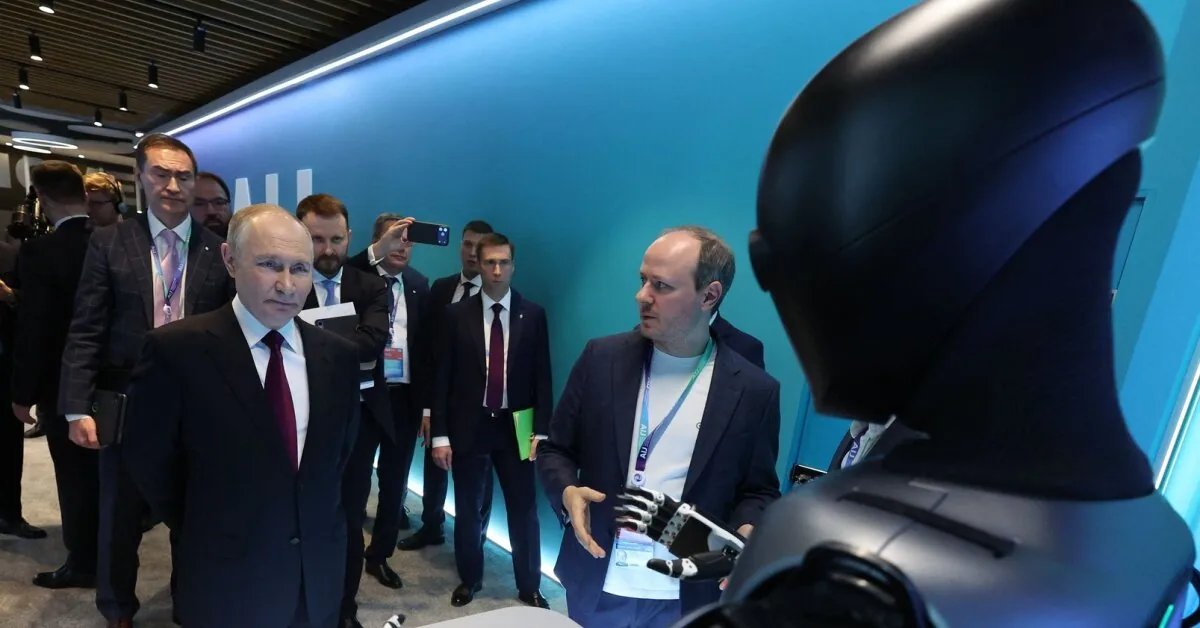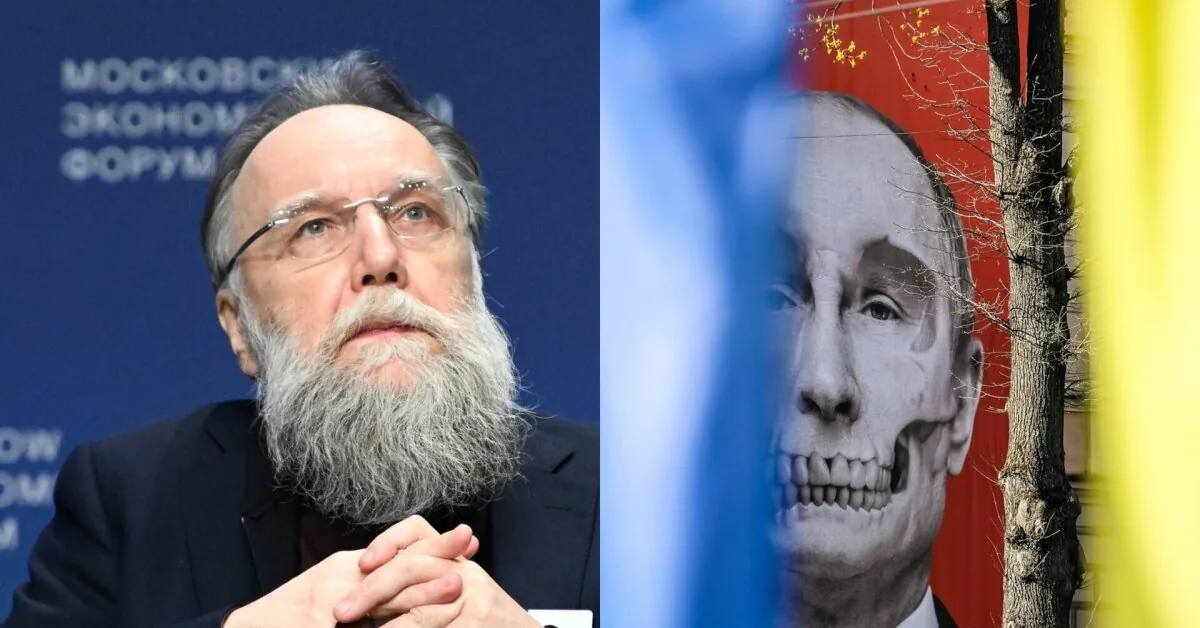
This is written by the Institute for the Study of War (ISW), analyzing slides presented on June 3 at the St. Petersburg forum by Russian ultranationalist ideologue Alexander Dugin and Kremlin-linked Russian oligarch and Orthodox nationalist Konstantin Malofeev.
Read more Caretaker of the nursing home arrested after fire in Sri Lanka kills 12 people
“Good” scenario for Russia: controls Kyiv and the EU collapses
They presented several “future scenarios” for Russia. The presentation slides outlined scenarios for Russia up to 2036 and up to 2050 – “good,” “inertial,” and “bad.” At the same time, imagined “threats” to Russia were divided into five categories, including geopolitics, ideology and politics, demographics, economy, and technology.
ISW experts summarized that, according to A. Dugin and K. Malofeev, the “good” scenario for Russians includes Russian occupation of Kyiv, Odesa, Kharkiv, and other Ukrainian cities by 2036 and the collapse of the European Union. This also includes other Russian narratives about the allegedly inevitable Russian victory in Ukraine.
The “bad” scenario shown in the presentation included Russia’s military defeat in Ukraine, Ukraine’s accession to NATO, loss of Russian influence over post-Soviet countries by 2036, and “Russian colonization” by 2050.
The “inertial” scenario presented in the presentation foresees that Russia will use nuclear weapons by 2036 if the military situation in Ukraine does not change – this is a real threat that Russian nuclear weapons will be used against Ukraine if the war continues as it is now, ISW states.
Additionally, K. Malofeev in his speech also spoke about possible actions by Russia and Russia’s “enemies” and described the dynamics of “threats” from 2000 to 2026. Meanwhile, A. Dugin noted that the ultranationalist pseudo-analytical center he leads, the “Cargrad Institute”, also provided a report on “future scenarios” to the General Staff Academy of the Russian Armed Forces and will publish it by the end of 2026.
Read more Attention, these jeans make you look fat: stylist shared which models to avoid
ISW experts remind that K. Malofeev and A. Dugin represent supporters of the ultranationalist hardline in Russia, who consistently advocate for a prolonged war against Ukraine.
Analysts at the Institute for the Study of War assume that the report presented in St. Petersburg was intended to “set out their personal and their represented hardline camp’s goals related to Russia’s future.”
Unrealistic scenarios
At the same time, ISW believes that the Kremlin may exploit the unrealistic nature of these three scenarios to frame Vladimir Putin’s and other Russian officials’ rhetoric as supposedly “moderate” and rational compared to the extreme scenarios presented by a small ultranationalist group.
The Kremlin will likely have to find a balance between the demands and expectations of the Russian ultranationalist community, its rhetoric, and the real situation on the Ukrainian battlefield, analysts said. Putin probably does not want to risk losing ultranationalist support, they summarize.
Read more «Žalgiris» will look for a new leader: Francisco decided to leave Kaunas