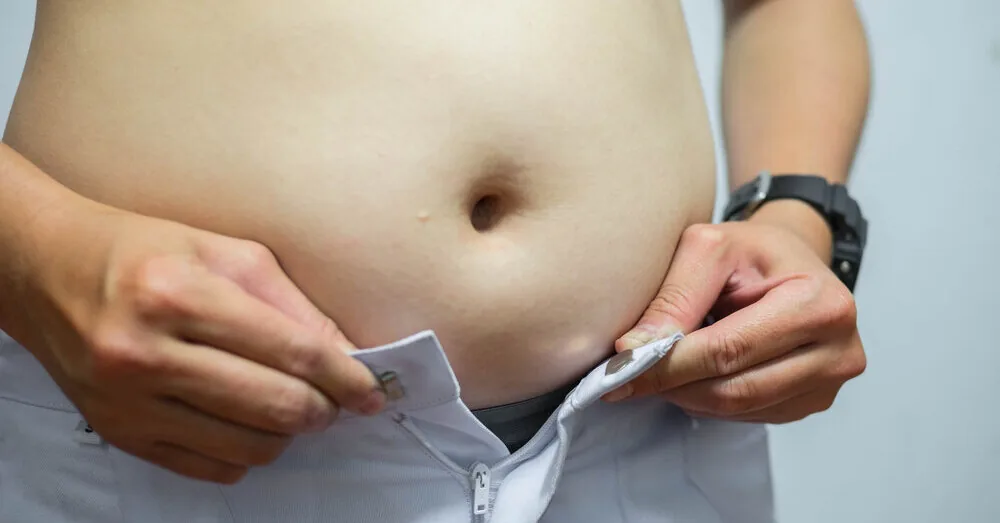
“Bloating is not only an annoying symptom but also a signal that the balance of the digestive system is disturbed. It may indicate an imbalance of gut bacteria, poor gut motility, or even gallbladder dysfunction,” explains registered dietitian Lacy Puttuck, as reported by “Parade.”
Read more Ukrainian officials: four people killed in Russian strikes
Doctors explain why we may feel bloated after eating and share ways to avoid it and when it is worth consulting a specialist.
Why do I always feel bloated after eating?
There are several reasons why people always feel bloated after eating – this can happen due to overeating, food allergies or intolerances, stress, and other chronic intestinal diseases. It is important that dietitians agree that it is very important to listen to your body.
“Ignoring bloating as a ‘normal’ phenomenon can delay the diagnosis and treatment of underlying problems that may worsen over time,” warns René Ficek, registered dietitian, owner and director of Seattle Sutton’s Healthy Eating.
You eat too fast
Your body may signal that it’s time to slow down and view eating as a marathon, not a sprint. “When eating quickly, air is often swallowed, and the digestive system does not have time to send the signal that you are already full,” explains Michelle Routhenstein, a cardiology dietitian from Entirely Nourished. “This can cause gas to build up and discomfort.”
You eat too much
If you feel bloated after every meal, as happens with overeating, it may indicate that you are eating more than your body can smoothly digest at one time. “When you eat too much at once, the body struggles to efficiently break down a large amount of food, leading to bloating,” explains M. Routhenstein.
You consume too much fiber
Fiber is very beneficial for digestion, but many people do not get enough of it. While increasing fiber intake in the diet is encouraged, experts emphasize that it is best to do so gradually and consistently. Even when reaching the recommended daily amount (from 19 to 38 grams, depending on age and sex), it is important to consume fiber spread throughout the day rather than all at once.
“Excessive fiber intake – especially if increased suddenly and the body is not accustomed to it – can cause gas buildup and signal that gut bacteria are overwhelmed,” says Dr. Chris Mohr, fitness and nutrition consultant at Garage Gym Reviews.
You have a food intolerance or allergy
Your body may also signal inappropriate food. R. Ficek notes that some people are intolerant to lactose (a natural sugar found in dairy products), fructose, and FODMAPs. FODMAPs are fermentable oligosaccharides, disaccharides, monosaccharides, and polyols; these are types of carbohydrates found in products like asparagus and beans.
Read more Popular 22-year-old influencer dies in horrific BMW crash: car slammed into a tree
“The digestive system lacks enzymes or the capacity to properly break down certain sugars, so gut bacteria ferment them, producing gas,” explains R. Ficek. Dr. Ch. Mohr adds that people allergic to gluten may also feel bloated after eating.
You have constipation
“When constipated, a blockage forms in the intestines, slowing the movement of food and gas, which causes bloating and discomfort,” explains R. Ficek.
You have an imbalance of gut bacteria
L. Puttuck notes that doctors call this condition dysbiosis. “It is a state where the balance of gut bacteria is disturbed, beneficial bacteria are insufficiently produced, and fermentation processes begin in the gut,” she says. “Including prebiotic-rich foods in the diet, such as fruits, vegetables, and yogurt, can promote the growth and production of beneficial bacteria.”
You are experiencing stress
Sometimes nervous tension causing “butterflies fluttering” in the stomach can develop into persistent bloating. “Under stress, the body switches to ‘fight or flight’ mode – blood is redirected away from the digestive tract, slowing stomach emptying, which can manifest as bloating,” explains M. Routhenstein.
How to treat and prevent bloating
Usually, R. Ficek likes to start with lifestyle changes aimed at treating and preventing chronic post-meal bloating in the future. She recommends people:
- Eat slowly and chew thoroughly.
- Avoid carbonated drinks.
- Limit chewing gum chewing.
- Gradually increase dietary fiber intake so your body can adjust.
- Temporarily limit foods high in FODMAPs to see if it helps (consult a doctor or dietitian first).
- Try gentle movement after meals, such as walking, to stimulate natural gut motility and move gas through the intestines.
- Drink enough fluids (“Water helps digestion and helps prevent bloating related to constipation,” notes R. Ficek.)
- Identify and avoid trigger foods, for example, by keeping a food diary to determine foods most often associated with bloating episodes.
- Manage stress through breathing exercises, meditation, therapy.
Dr. Ch. Mohr states that medical interventions for bloating include testing for food intolerances or disorders, supplements such as probiotics, and prescription medications. He also recommends consulting a registered dietitian to help address underlying issues.
When to see a doctor for bloating
Sometimes it is really necessary to see a doctor immediately. Dr. Ch. Mohr suggests seeing a doctor for bloating if:
Read more Silence is no longer golden: how one question to a colleague can raise your salary
- Bloating is persistent and painful.
- You have unexplained weight loss.
- You notice blood in your stool.
- Bloating is associated with severe diarrhea, constipation, or vomiting.
- Over-the-counter medications and lifestyle changes do not help.