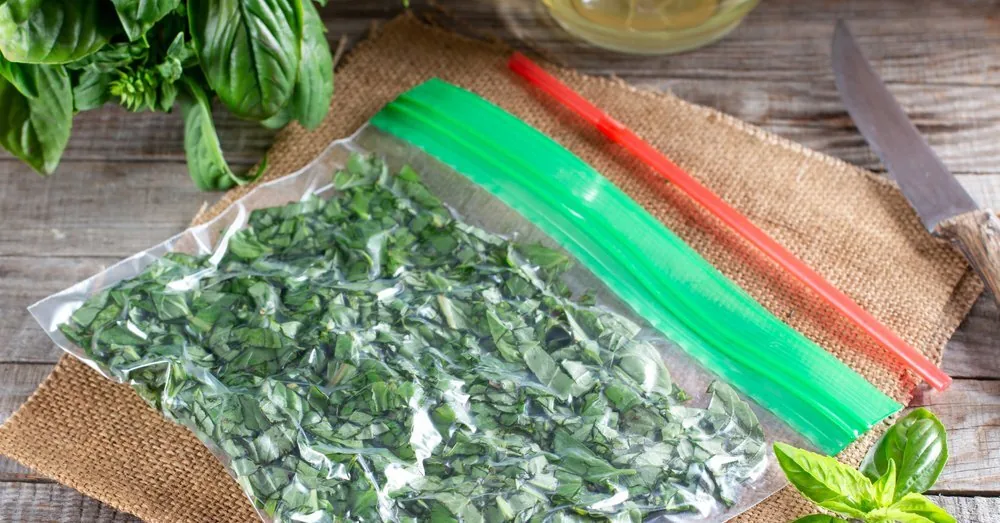
Why is it worth freezing garden, vegetable, and forest produce?
One of the most popular methods is freezing. Freezing preserves many biologically valuable nutrients, and the low temperature almost completely stops biochemical and microbiological processes. Frozen vegetables retain the same color, taste, and aroma, and do not lose nutritional value or many vitamins.
Read more US Vice President J.D. Vance prepares for the 2028 elections in his hometown
Select unripe vegetables for freezing, sort them by size, and wash thoroughly. If necessary, trim stems and remove seeds. Briefly (2–5 min) blanch in salted boiling water and cool in cold water. After draining, dry them. Then place in an airtight container and put in the freezer. Remember to set the required temperature 2–3 hours in advance. Try to consume frozen products within 6 months (up to a year is possible), as longer storage greatly reduces valuable nutrients.
Vegetables can also be frozen without blanching if you choose finely chopped produce. It is important to wash and dry them well. This method is especially suitable for root vegetables and green beans.
Vegetables with high water content are not suitable for freezing: onions, radishes, tomatoes, cucumbers. Also not recommended are potatoes or chopped cabbage heads.
Frozen grated carrots
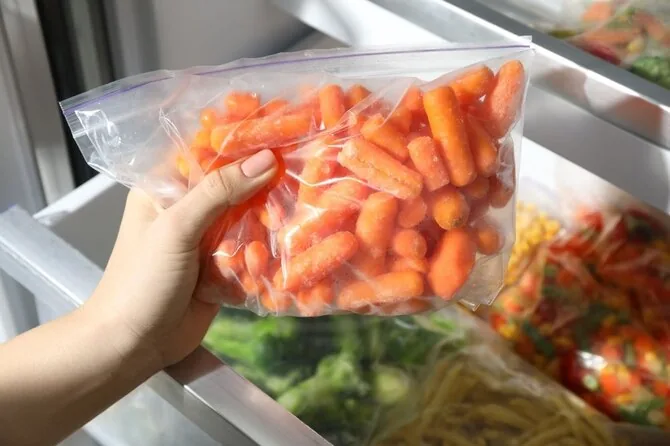
Needed:
- 1 kg of carrots.
Preparation:
- Wash, peel, and clean the carrots. Grate them coarsely.
- Dry the grated carrots with a paper towel. Put them into freezer bags, preferably with a zipper.
- When placing the grated carrots into the bags, try to leave as little air inside as possible. You can squeeze it out or pull it out with a straw through the almost closed edge of the bag.
- Place the prepared carrots into the freezer compartment or freezer. Use within 8–10 months.
Tip: You can also freeze carrots cut into cubes or larger pieces, but then it is advisable to blanch them in boiling water or boil for 4–5 minutes. Let cool, dry, and place into bags or plastic containers for freezing. You can prepare a mix of various vegetables for soup this way.
Frozen whole basil leaves
Needed:
- a few handfuls of basil leaves.
Preparation:
- Boil water. Take a bowl and a colander. Next to it, place a bowl with very cold water (preferably with ice cubes).
- Put clean basil leaves into the colander in the bowl and pour boiling water over them.
- After a few seconds, remove the colander with the leaves and immerse it in the ice water.
- Dry the cooled leaves with a paper towel.
- Freeze the leaves spread out on baking paper. If you have more basil, freeze in several layers separated by baking paper.
- Once the leaves are frozen, transfer them to a freezer-safe, airtight container.
Tip: Various herbs can be frozen in ice cube trays with water. These are convenient to add to dishes being prepared. First, wash and chop the herbs, place them in ice cube trays, fill with water, and put into the freezer compartment or freezer.