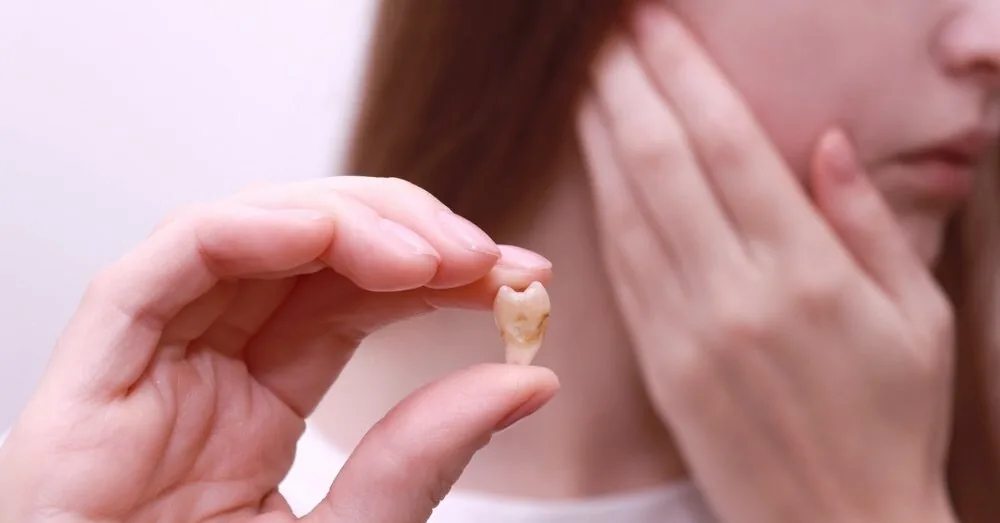
Experts explained how to prepare for wisdom tooth extraction, what measures can help reduce discomfort and speed up healing, revealed when wisdom teeth are actually recommended to be removed, and debunked the most common myths about this procedure, according to a press release from the “Benu” pharmacy.
Read more Robertas Kaunas explained why violations of Lithuanian airspace stopped
Preparation for tooth extraction
According to Ramunė Uosienė, an expert at the Healthy Skin Institute of the pharmacy, it is important to prepare in advance for wisdom tooth extraction – before the procedure, you can purchase doctor-recommended painkillers or other medications so you don’t have to go to the pharmacy after the tooth extraction.
“After wisdom tooth extraction, simple, properly used over-the-counter remedies help reduce existing discomfort. Which medicine is most suitable depends on the patient’s health condition, medications taken, and doctor’s recommendations. It is always important to follow the medication instructions and not exceed the recommended doses,” says R. Uosienė.

She also points out other ways to help reduce pain and discomfort: “It is worth preparing cold compresses: cooling packs or special gel compresses can help reduce swelling during the first day after the procedure. Also, soft food should be arranged – suitable options include yogurt, cottage cheese, smoothies, pureed soups, mashed potatoes, scrambled eggs, bananas. Of course, it is important to allow time for rest and to prepare oral hygiene products in advance, such as a new, very soft toothbrush and an antiseptic mouthwash. Smoking is also recommended to be avoided before and after the procedure, as smoking increases the risk of complications.”
If extracting – when and how many?
According to oral surgeon Dr. Saulius Žukauskas, wisdom teeth are removed only under certain indications – for example, when they cause inflammation of soft tissues, decay themselves, or damage adjacent teeth.
“Wisdom teeth that have fully erupted in the dental arch and do not cause inflammation, which the patient can properly clean, are left for observation. Preventive removal of wisdom teeth is justified in cases where there is no space in the dental arch for them to properly erupt or they interfere with planned orthodontic treatment,” says Dr. S. Žukauskas.
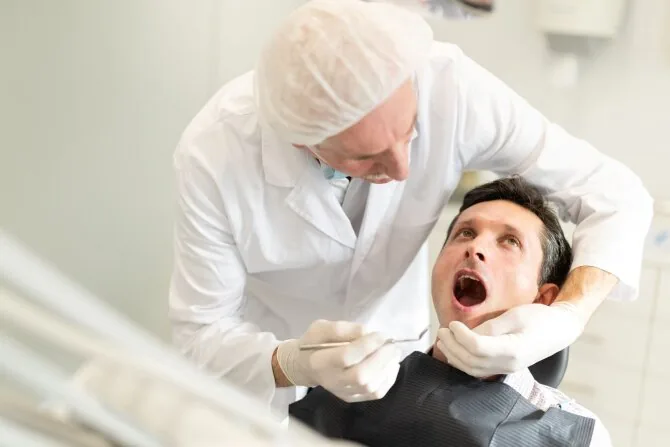
During one visit, one, two, or even all four wisdom teeth can be removed. According to Dr. S. Žukauskas, the procedure of removing four wisdom teeth is safe, comfortable for the patient, and often even recommended: “Of course, in such cases, this procedure is performed with intravenous sedation. Removal of several or all wisdom teeth at once with intravenous sedation is recommended when the patient feels anxiety before tooth extraction.”
According to the oral surgeon, dividing teeth and their roots into several parts is still used today, but outdated splitting methods are no longer used – modern surgical tooth extraction uses special drills cooled with sterile saline solution, so tooth division is very fast and painless.
Smooth healing starts with proper care
R. Uosienė states that in the first days after wisdom tooth extraction, pain may be felt, swelling and slight bleeding may occur: “These symptoms are usually strongest during the first 1–2 days and then gradually weaken. It may also be harder to open the mouth wide, jaw stiffness and discomfort when swallowing may be felt, and after more complicated extraction, bruising may appear on the cheek or jaw area.”
After wisdom tooth extraction, oral hygiene is very important, but in the first days it must be very gentle. Although the wound area should not be touched, other teeth must be cleaned as usual using a very soft toothbrush.

“A clean oral cavity helps reduce the risk of infection and promotes smooth wound healing. The day after the procedure, unless otherwise directed by the doctor, the oral cavity can be gently rinsed with lukewarm saline solution or a doctor-recommended antiseptic mouthwash containing chlorhexidine or another similarly acting active ingredient. It is recommended not to rinse the mouth vigorously or intensively during the first 24 hours, and not to touch the wound with the tongue or fingers. This helps preserve the formed blood clot, which is essential for normal healing,” says R. Uosienė.
Myths that many patients still believe
There are many myths related to wisdom teeth and their extraction. According to Dr. S. Žukauskas, patients often ask whether their facial shape will change after the procedure.
“After wisdom tooth removal, the patient’s cheeks may be swollen for the first 3 days, and this swelling causes facial asymmetry, but after 5–7 days post-operation, the swelling subsides and the face regains its previous appearance. Cold compresses applied to the cheek during the first 24 hours after the procedure are especially effective in reducing swelling. They are recommended to be applied for 15-20 minutes, followed by a break of the same length. Cold helps reduce swelling and discomfort,” says Dr. S. Žukauskas.

Another myth is the belief that after wisdom tooth removal, other teeth “spread out.” According to Dr. S. Žukauskas, the positions of other teeth do not change after the procedure. “It is also believed that wisdom teeth cause crowding of the front teeth. Scientific studies have proven that wisdom teeth do not exert enough force when erupting to cause crowding of the front teeth,” says Dr. S. Žukauskas.
How to recognize postoperative complications?
According to R. Uosienė, if 2–3 days after wisdom tooth extraction the pain intensifies, there is an unpleasant odor or taste in the mouth, temperature rises, swelling of the face or neck increases, pus starts to flow from the wound, or bleeding remains heavy, you should consult a dentist.
“One of the most common complications is dry socket – a condition where the protective blood clot is lost too early from the wound. In such cases, usually 2–4 days after extraction, severe, throbbing pain appears, which can spread to the ear, temple, or jaw. This condition requires treatment prescribed by a dentist,” says R. Uosienė.
Although complications are rare, the most important thing is to monitor symptom progression. If the condition improves daily, healing is likely proceeding normally. “If symptoms worsen or new worrying signs appear, do not wait – the sooner the patient is examined by a specialist doctor, the easier it will be to select treatment and avoid more serious complications,” advises R. Uosienė.
Read more Asian stock markets follow Wall Street’s example and rise, oil prices increase