








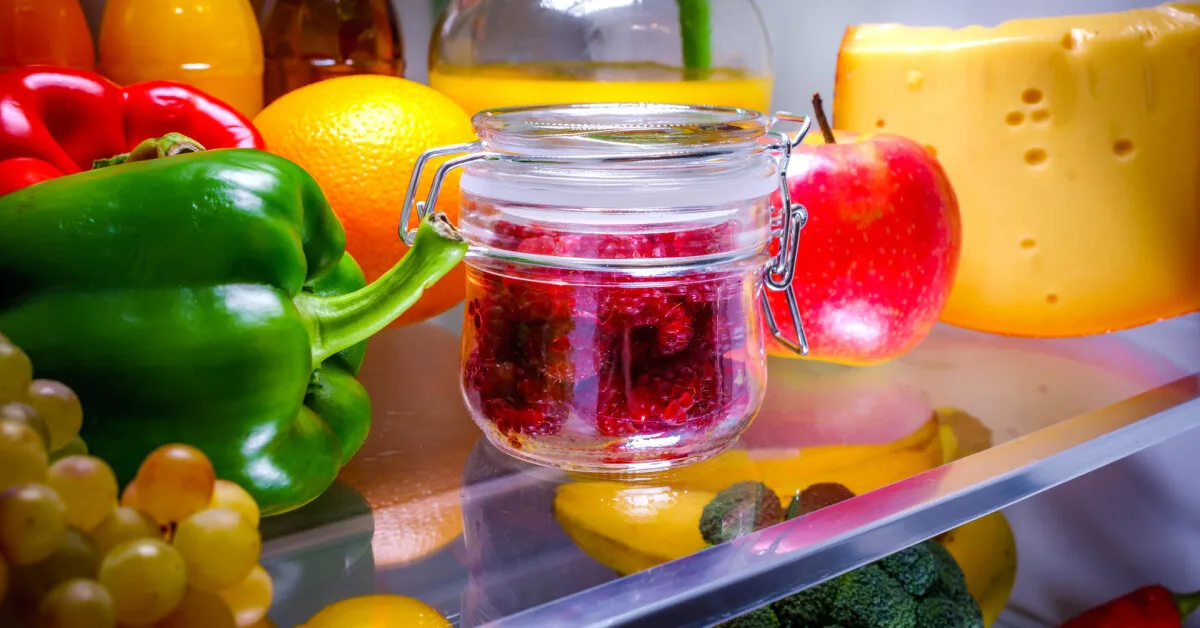
“Drying basically allows you to very easily extend the shelf life of products – most of the moisture is removed from them, creating less favorable conditions for microorganisms to multiply. Moreover, you don’t need a large freezer or jars, and properly dried products can be stored for a long time in a relatively small space,” says Ina Jarackienė, an expert from the online store “Varle.lt,” in a press release.
Read more Everyone should know this: having this disease doubles the risk of stroke
Freeze, preserve, or dry?
All three methods have their advantages, but they also differ in how much time and space they require.
Freezing often seems like the simplest option – you can wash, prepare, and put the products in the freezer. However, a larger harvest requires enough space. Also, the refrigerator or freezer constantly uses electricity.
Preserving allows you to prepare vegetables, berries, or fruits for longer storage, but it often requires more work: sterilizing containers, boiling, using sugar, salt, vinegar, or other additives.
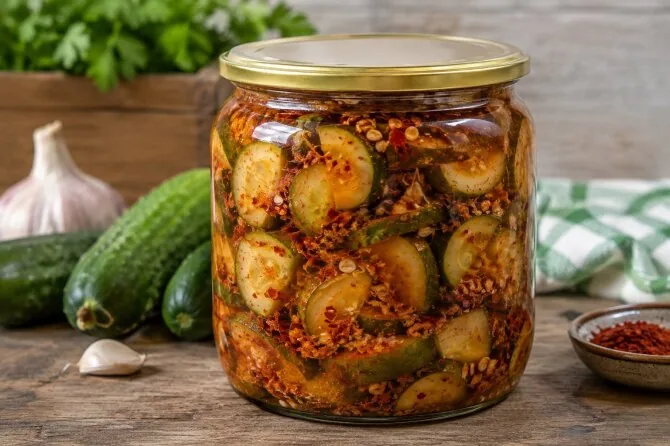
Meanwhile, drying stands out because the product usually does not require additional preserving ingredients. Dried goods take up much less space than fresh ones, so even a large harvest can fit into a few jars or airtight containers.
“The advantage of drying is especially evident when you want to preserve the product’s own flavor and have a versatile ingredient for winter. Dried fruits can become snacks, can be added to porridges or baked goods, vegetables and mushrooms – to soups, sauces, stews, and herbs – directly into various dishes,” notes the expert.
You can dry much more than just apples
Apple slices are probably one of the best-known examples of drying, but modern dryers allow for much broader experimentation.
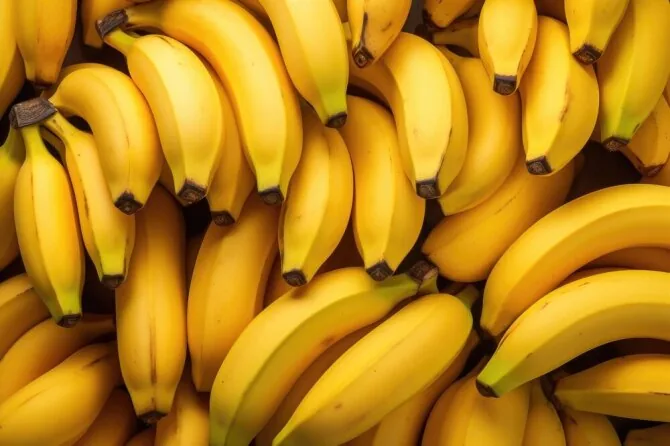
Fruits. Apples, pears, plums, bananas, peaches, apricots, or various berries can become sweet snacks. Thinly sliced fruits dry faster and do not need additional sweetening. A great and healthy snack for children at school.
Vegetables. Tomatoes, peppers, zucchinis, carrots, beets, and other vegetables can be dried and later used in soups, stews, or sauces. Dried tomatoes are one of the most popular ways to enrich dishes with a more intense flavor.
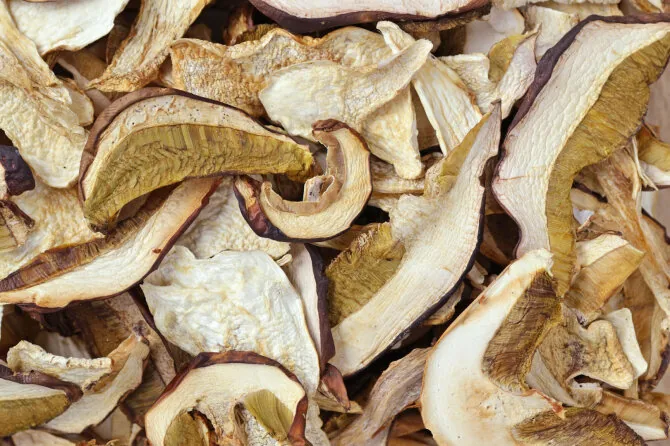
Mushrooms. Drying is especially useful during mushroom season. Mushrooms become much lighter and take up less space, and before use, they can be soaked and used in various dishes.
Herbs. Parsley, dill, thyme, mint, basil, and other herbs can be dried and used throughout the winter. This is one of the simplest ways not to lose herbs from your garden harvest.
“The most important thing is not to try to dry everything the same way. Different products have different moisture content, so their drying time and suitable temperature vary. A good dryer allows you to control this process much more precisely than drying naturally,” says the expert.
Why are people rediscovering drying?
Drying is not a new invention – our grandparents dried fruits, mushrooms, and herbs on the stove, in the attic, or other warm places. However, modern dryers have made this process much more convenient.
Read more Renata Šerelytė-Mendeikienė – about the writer’s peace, cherished solitude, and necessary doubt
There is no need to wait for suitable weather or look for a place where products can dry for several days. The device maintains a set temperature, and a considerable amount of products can be dried simultaneously on several levels.
According to the expert, convenience and the ability to use products not only for one season but all year round are among the reasons why dryers are increasingly found in people’s kitchens.
“Previously, a dryer seemed like a rather niche device, intended perhaps only for mushrooms or apples. Now its uses are much broader – people dry fruits for children’s snacks, vegetables, herbs, mushrooms, and make fruit leathers. Therefore, the device becomes not a seasonal but a regularly used kitchen tool,” says expert Ina Jarackienė.
What to pay attention to when choosing a dryer?
If a dryer is purchased only for a few batches of apples per year, it is not necessary to choose the largest or most powerful model. However, those planning to dry regularly should consider several parameters.
Temperature control. This is one of the most important things. Different products require different temperatures, so it is useful to choose a model where it can be adjusted.
Drying area. The more trays and the larger their area, the more products can be prepared at once. Larger capacity is especially useful during harvest season.
Air circulation. Even distribution of warm air helps products dry more evenly. This is important when several trays are used simultaneously.
Timer. A convenient feature for those who do not want to constantly check the process. After setting the time, the device can automatically turn off.
Noise level. Drying can take several hours, so if the device will be in the kitchen or another living area, it is worth paying attention to the noise it produces.
Today, drying is increasingly valued not as one of the old-fashioned ways to preserve harvests but as a convenient way to have more homemade snacks and ingredients at home all year round.
And most importantly – there is no need to look for extra space in the freezer or dozens of jars on shelves for the autumn harvest. Part of the summer can simply move into a small jar and wait for winter.
Read more Set Designer R. Valčik on «The New Tenant»: «By preserving the sense of wonder, we become gentler»