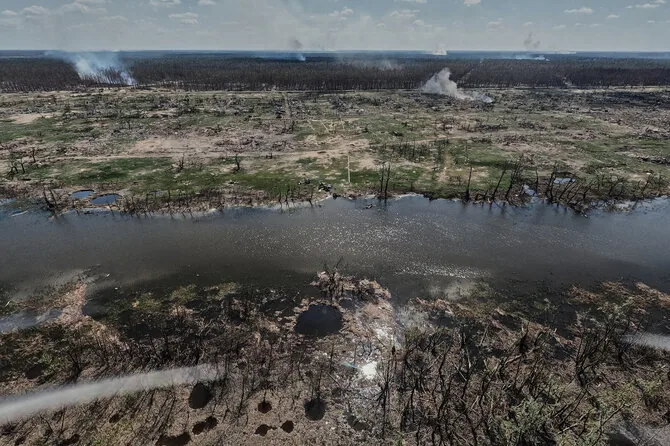
Ukrainian Caritas workers, who are specially arriving in Vilnius for the World Apostolic Congress on Mercy, will share information about attacks on water systems, their impact on human dignity, public health, and the environment, according to a press release.
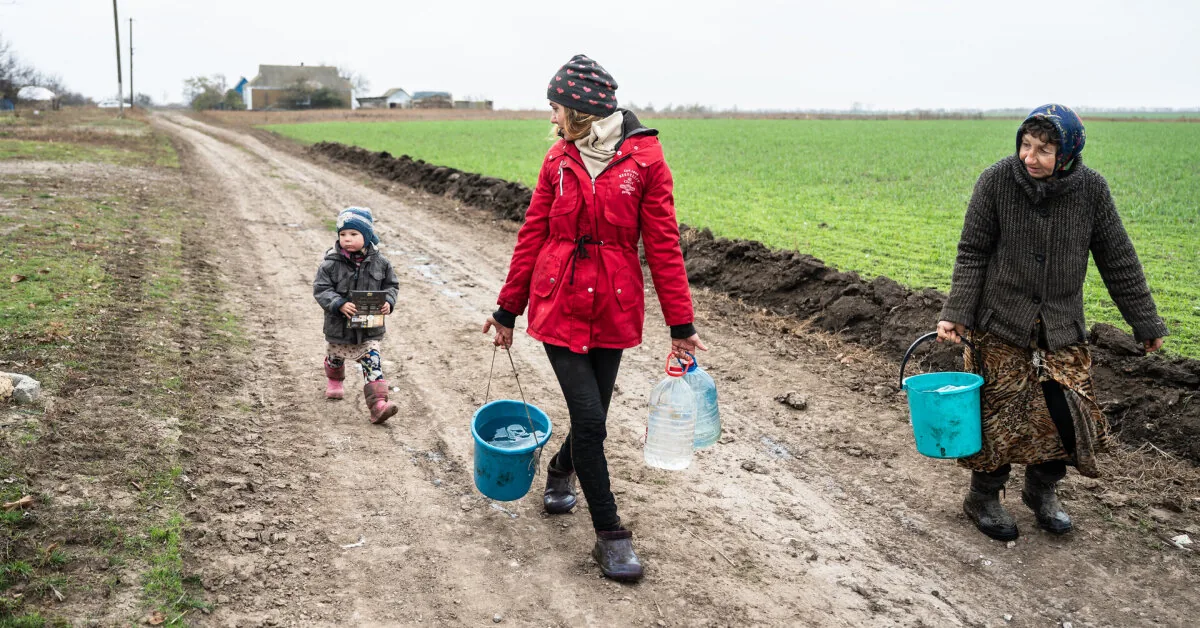
Uliana Krys, an emergency response expert from Caritas Ukraine, personally participated in distributing bottled water in one of the villages in the Kherson region. At the beginning of the full-scale war, it was occupied. After liberation, 22 people returned here – mostly elderly, who had nowhere to go or could not leave their homes. Everything people had built over decades was lost in a few months of occupation: livestock died or disappeared, gardens were destroyed and abandoned, homes were without electricity, heating, or water. Wells were contaminated or destroyed.
To buy water, they have to go to the city. For those without transport or money, this reality is like a separate struggle. Because water is not just a resource. It is an opportunity to stay home, restore daily life, and feel that life goes on. This is what war takes away first.
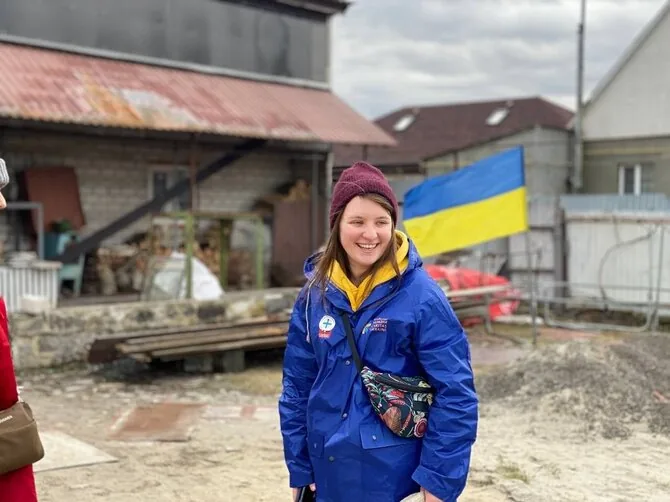
“Caritas Ukraine” helps people who have lost access to water – not only drinking water but also water that sustains their households and land. Due to the war, some communities in Southern Ukraine have been left without one of the most vital resources. Soil contamination, destroyed sources, and the extinction of species are consequences that will be felt for many years. This is especially critical for Southern Ukraine: the region is dry, agriculture depends on irrigation, and groundwater lies deep. Without water, neither people nor the land can survive,” says Uliana.
For Olha Sydij, coordinator of the #WASHinWAR initiative and Head of Partnerships at Caritas Ukraine, the idea for #WASHinWAR was born in 2024 while traveling with the Norwegian Ambassador through frontline communities. “During those visits, we clearly saw that the available resources and international attention are insufficient to fully address the scale of the crises Ukraine is experiencing. By focusing on humanitarian needs, we limit ourselves to solving immediate problems, but long-term, fundamental issues – the destruction of ecosystems, violations of basic human rights, and long-term environmental damage – remain less visible,” Olha recounts.
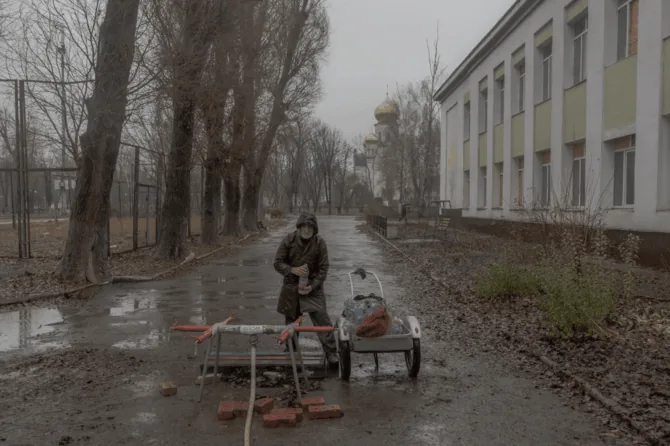
For her, the #WASHinWAR campaign became a way to talk about what she sees. A language that the international community, policymakers, and partners would not only understand but truly feel. Olha combines factual data, visual storytelling, and people’s stories in a way that touches them emotionally.
Read more For banana fans – 3 simple recipes you’ll want to try immediately
At the same time, #WASHinWAR is also about giving a voice to those who often remain unheard – nature itself, destroyed rivers, and ecosystems. Also – to frontline communities that feel the consequences of war every day. “We wanted decision-makers to hear the voices of these people – not through reports, statistics, but also through authentic testimonies, stories, experiences, and images,” said the Caritas Ukraine representative.
The #WASHinWAR initiative, which won the European Caritas Innovation Festival awards in 2026, with the exhibition “Water in the Fire of War” – is a living Ukrainian experience and a message to the world about the importance of preparedness, resilience, and the protection of critical infrastructure in the event of war.
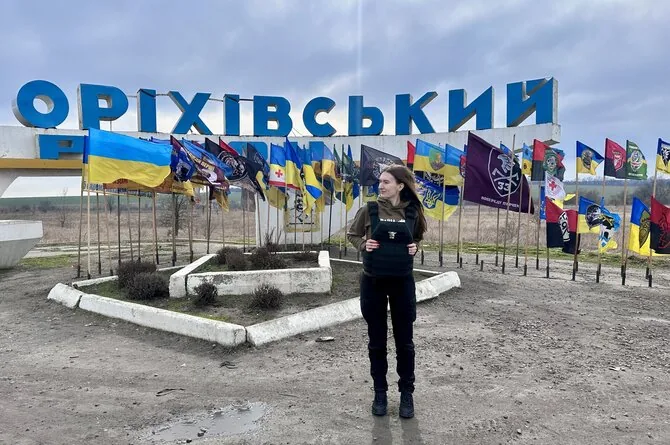
Photographs by Ukrainian photographers documenting the destruction of natural water resources and water supply infrastructure, as well as photos by Caritas Ukraine, will be on display in Vilnius Town Hall Square from June 7-11. On June 8-9, Olha and Uliana will interact with congress participants, Vilnius residents, and city guests.
After the World Congress on Mercy, Caritas Lithuania will introduce the exhibition to residents of the regions. The photo exhibition is presented as an accent of solidarity with suffering Ukraine, commemorating the 100th anniversary of Caritas in Lithuania.
Read more The custodian of the memory of poet Vytautas Mačernis has passed away