









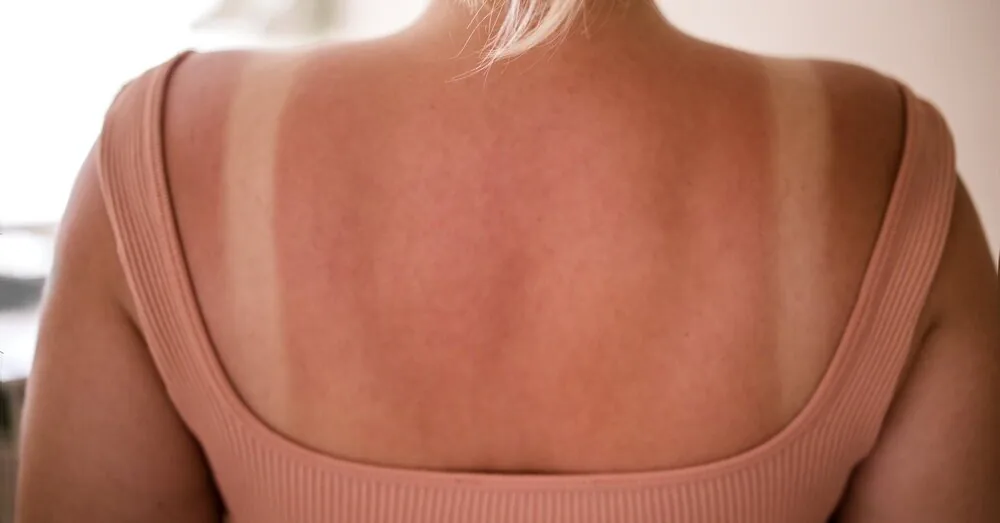
What is photodermatitis?
Photodermatitis is an immune system response when the skin perceives UV sunlight as a threat. The body’s reaction to sunlight can occur even in completely healthy individuals, especially at the beginning of the summer season when the skin is not yet accustomed to intense sunlight.
Read more A boat with fishing gear was stolen in the Trakai district, the loss amounts to 24.3 thousand euros
“Photodermatitis has several forms: phototoxic, photoallergic reactions, and polymorphic light eczema, which is the most common. Skin rashes do not necessarily appear immediately; they can show up after a few hours or days of sun exposure.
People experiencing this skin reaction for the first time tend to think it was simply caused by prolonged sun exposure, but this body response can be an allergic reaction,” shares pharmacist G. Leščinskas.

It is important to distinguish that some forms of photodermatitis are related to an immune response – allergy (photoallergic reactions, polymorphic light eczema), while others (phototoxic reactions) are related to skin sensitivity to UV radiation combined with certain substances or medications.
The most common forms of photodermatitis
The most common form of photodermatitis is polymorphic light eczema. Usually, body areas that had contact with sunlight develop rashes. According to the pharmacist, symptoms of this form weaken by mid-summer as the skin gradually adapts to UV radiation.
“This form is most common in women and younger people. The rash appears on the hands, chest, and neck,” explains G. Leščinskas.
Another form of photodermatitis is phototoxic, a chemical body reaction to UV radiation combined with the use of medications, cosmetics, or contact with plants. This form of photodermatitis can affect anyone; it only requires taking a certain substance and spending more time in the sun for the skin to react accordingly.
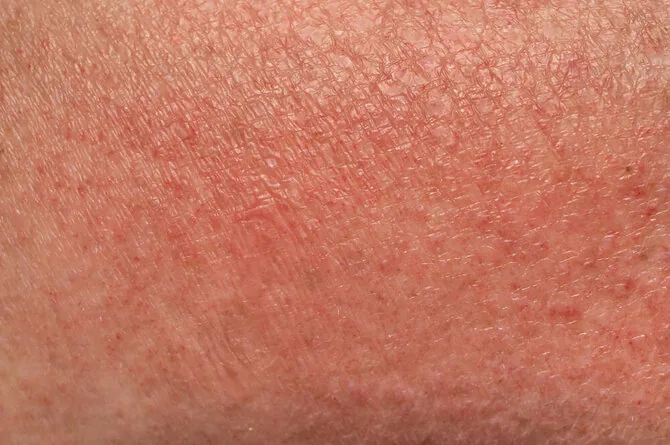
“For example, if a person is treating acne and taking doxycycline, after a few days at the seaside and spending more time in the sun, their skin may develop blisters and redness. Even though the person used sunscreen with SPF protection, the body reacted to the medication they were taking. For this reason, it is especially important to be aware of a drug’s reaction to sunlight,” explains pharmacist G. Leščinskas.
Read more Blow to Putin: Saint Petersburg welcomes an important economic forum with explosions and black smoke
The pharmacist reminds that before using medications, one should consult about their interaction with the sun. It is important to note that phototoxic body reactions to sun exposure can also be caused by certain plants, such as St. John’s wort.
“Skin sensitivity to sunlight is increased by nonsteroidal anti-inflammatory drugs, some antidepressants, diuretics, as well as cosmetics with perfumes or certain essential oils, and contact with various plants – meadow carrots, celery, rue,” adds G. Leščinskas.
How to protect the skin?
When noticing symptoms of photodermatitis, first of all, sunscreen with a protective filter of at least SPF 50+ should be used. “Sun protection should be applied generously to the skin 20-30 minutes before going outside and reapplied every two hours. We recommend choosing mineral protection creams (zinc oxide or titanium dioxide), which are generally better tolerated by people with sensitive skin and less likely to cause irritation,” explains G. Leščinskas.
At the beginning of the season, it is suggested to gradually acclimate the skin to the sun and avoid prolonged outdoor exposure from 11 a.m. to 4 p.m. If rashes on the skin keep recurring, one should consult a doctor who will prescribe antihistamines or corticosteroid creams to suppress inflammation and the immune skin reaction.
It is important to remember not only the importance of using sunscreen but also other sun protection measures – long-sleeved shirts, hats or caps, and sunglasses with UV protection.
“It is necessary to see a doctor if you notice blisters or wounds on the skin after sunbathing, experience skin swelling, or if the same symptoms recur every summer. Also, if you notice that the skin reaction is caused by medications you are taking,” adds pharmacist G. Leščinskas.
Read more President proposes temporarily reducing electricity prices for industry: debt would be repaid later


