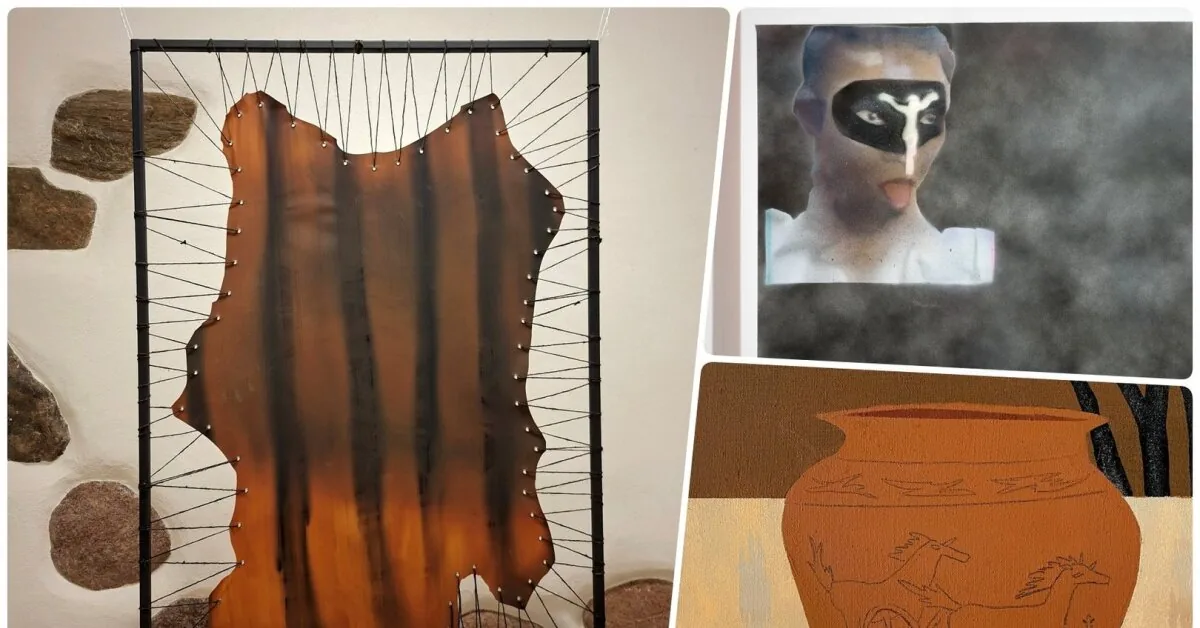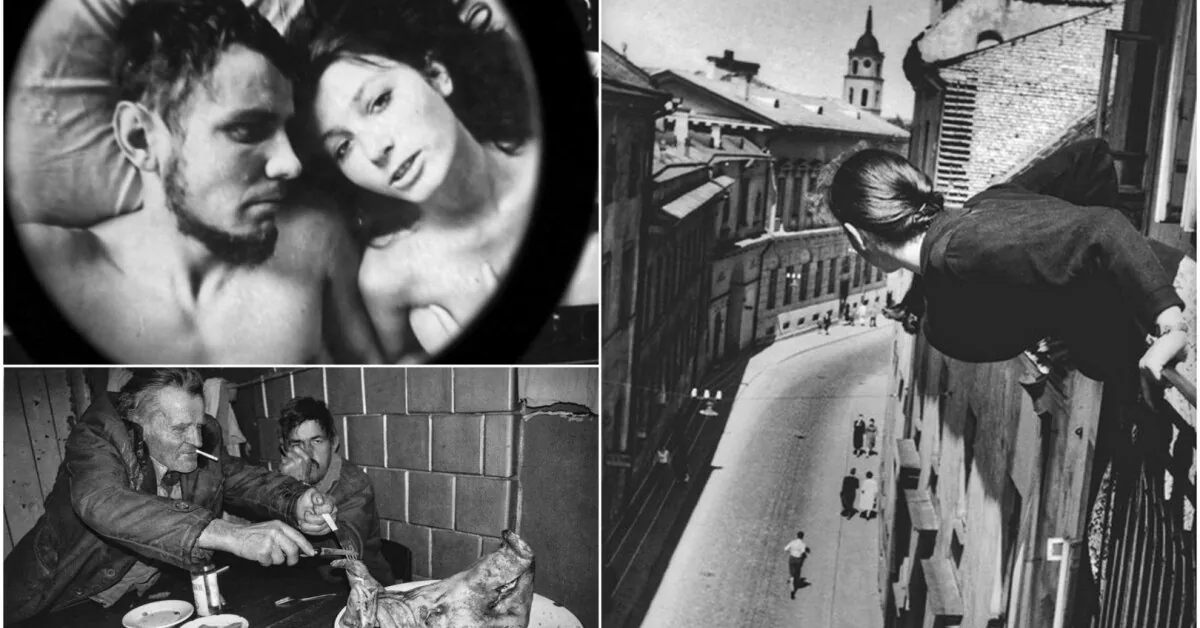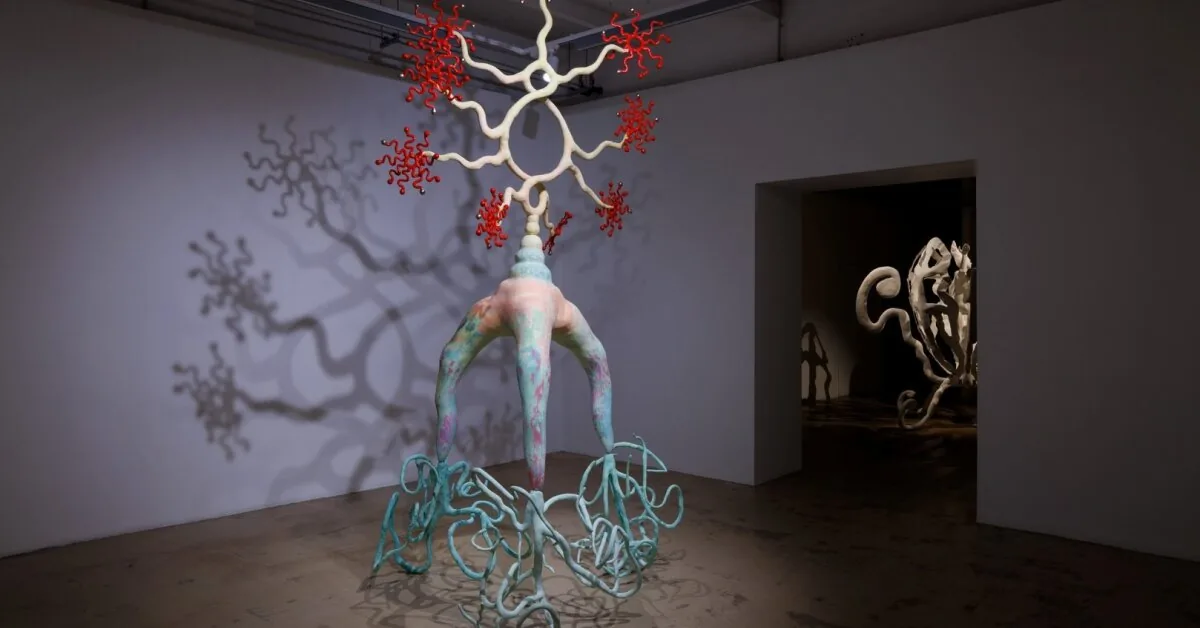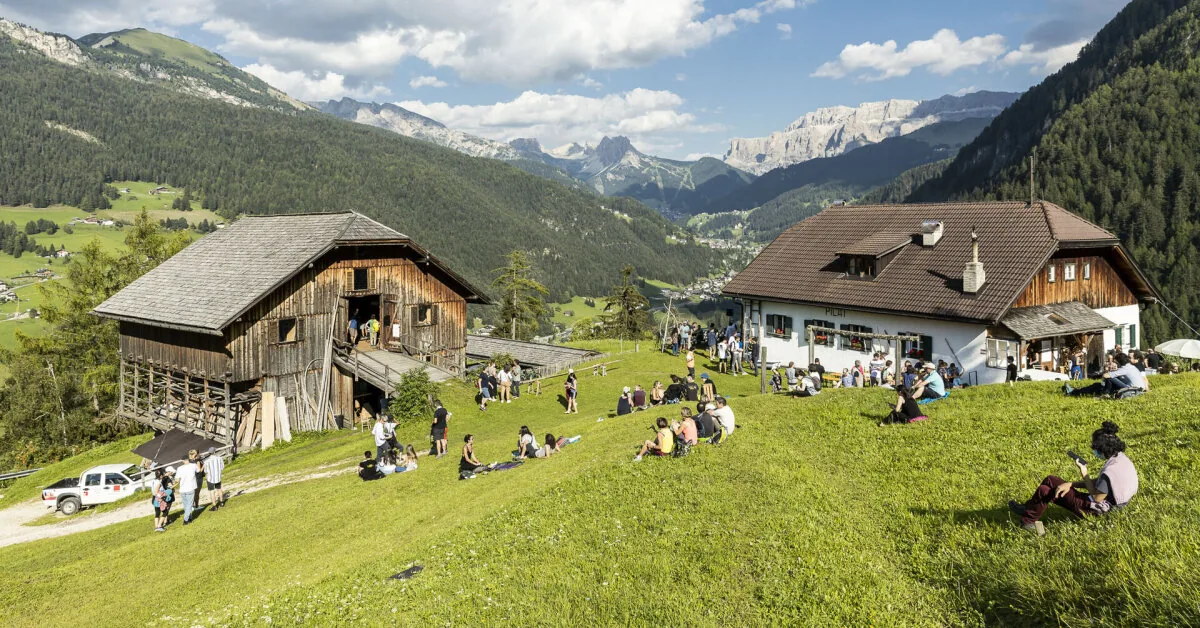
Lithuanians are among 28 artists from around the world whose works the biennale curator Samuel Leuenberger united under the concept of “(Future) Garden of Eden.” The works of the biennale, taking place from May 30 to September 13, are displayed in two valley towns – Ortisei, San Cristina, and on the Pilat slope.
Read more In order to remove President Tamás Sulyok, Péter Magyar intends to change the Hungarian constitution
The presentation of prominent Lithuanian artists is part of the Lithuanian Culture Institute’s program Lithuanian Culture in Italy 2025-2026, implemented together with the Lithuanian Cultural Attaché in Italy and the Lithuanian Embassy in Italy. Lithuania’s presentation in Val Gardena began with exploratory visits to Lithuania – the biennale organizers thoroughly familiarized themselves with the Lithuanian contemporary art field and selected the artists. Last year, the joint exhibition also marked the partnership between the Val Gardena and Kaunas biennales.
According to the biennale curator and author of the “(Future) Garden of Eden” concept S. Leuenberger, imagining a garden in the mountains is both incredible and necessary. “Incredible, because in our cultural imagination a garden usually appears as a place of measured abundance: a refuge for growth, protection, and nurturing; a territory where human intentions meet the natural vitality of nature and, at least temporarily, seem to shape it.
Necessary, because in a mountainous landscape like Val Gardena, where altitude, harshness, unpredictable weather, and a short growing season constantly remind us of the limits of cultivation, the very idea of a garden is no longer self-evident. Here, a garden cannot be merely decorative, nor can it easily sustain the fantasy of total control. It becomes something more fragile and urgent: negotiations with circumstances, a choreography of care, a study of adaptation, humility, and persistence.”
The artists invited by the curator listened attentively to the valley, its people, its rituals, architecture and stories, the urban impact on nature, and much more.
Deconstructed barn, CERN laboratory aluminum, and the black feast of future deities
In winter – a favorite place for skiers, and in summer – for wanderers in the mountains, the scattered biennale works in the Val Gardena valley require from viewers not only curiosity, openness to contemporary art forms and its dialogue with impressive nature and the unique local cultural tradition, but also physical endurance: the works in Ortisei and San Cristina are quite easy to walk around, but the installations spread on the Pilat slope are reached by climbing a fairly steep mountain slope.
Read more Fight against drunk tourists in Croatia will allow local authorities to restrict alcohol sales
Creating large-scale installations using materials and architectural elements taken from the local historical, cultural, and political context, Augustas Serapinas moved a traditional log cabin from Saltria – a neighboring valley – to the outskirts of the town of Ortisei.
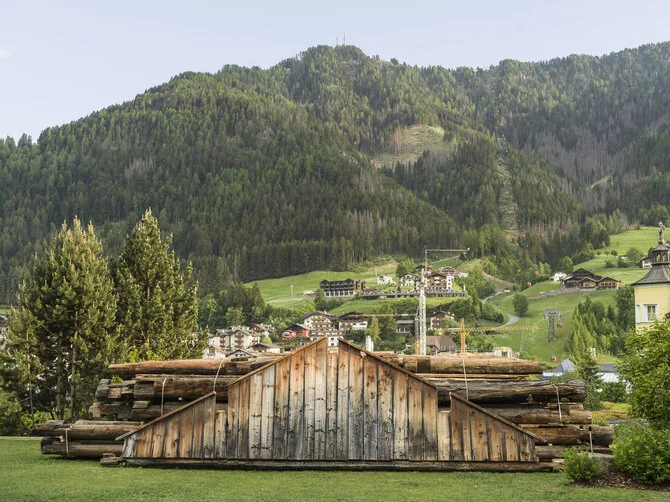
According to the artist, he was looking for exactly such a building that was already planned to be demolished. The biennale is its intermediate state; the barn, dismantled and grouped according to traditional technology, will wait here for the journey to Lithuania. “Log architecture is characterized by the fact that it can be disassembled and reassembled. For me, it is like a set of parts that can be recreated into other structures. I will try to reassemble this building and probably combine it with a Lithuanian barn,” the artist said.
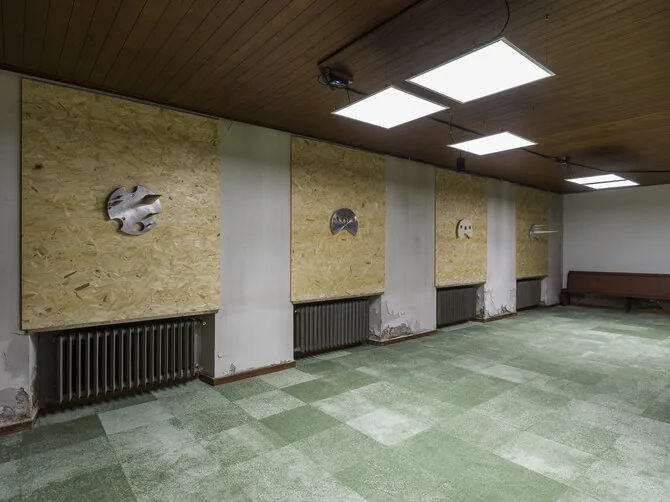
Eglė Kulbokaitė and Dorota Gawęda present an installation created specifically for this space in the new Ortisei hotel “Hotel Ladinia,” combining sculpture, sound, and light. The sculptural works of the “Dead Ringer” series, consisting of found aluminum objects from the CERN laboratory in Geneva and soap-treated wood, are placed in a space where polyphonic singing sounds. According to the artists, the sound composition of the installation was created with the polyphonic singing group “Isokratisses,” which continues the tradition of the region between Greece and Albania. Here, layers of lullabies, laments, and love songs sound, pierced by specially calibrated light.
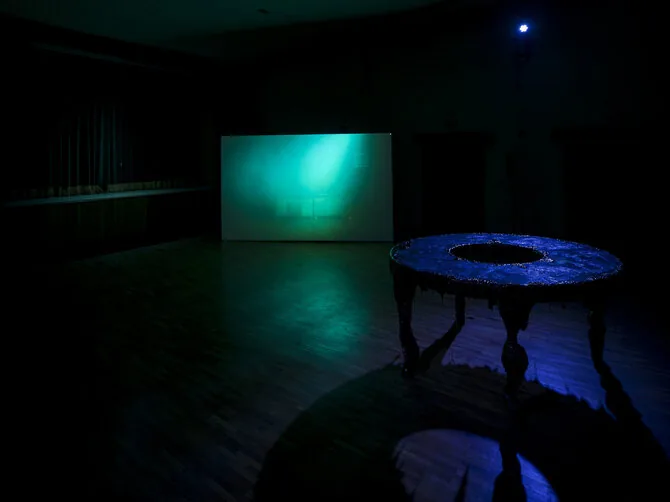
Andrius Arutiunian presents a specially commissioned installation “Black Feast” at the biennale, unfolding in the dimly lit wooden theater hall of the Garden Museum (Museum Gherdëina). According to the author, this work is part of a series exploring versions of the underground, otherworldly realm created over the past few years. “The underground, otherworldly realm here is a kind of space where we project our desires from economic, political, and cultural perspectives. It is a space where utopian visions of different nations and cultures meet,” the artist said.
“Black Feast” is like a reception space for spirits: at the center of the installation is a table whose surface is covered with iconography of underground worlds. The sculpture is enveloped in bitumen (a geological relic), and motifs of coins, burial vessels, and grave walls generate new iconography – speculative deities of the coming world composed from underground cosmologies. Next to the sculpture, the video work “Leta” (Lethe) immerses the visitor even deeper into the speculative logic of the installation. The space is enveloped by a four-channel sound work – a trance track slowed down to a seventh of its original tempo, with high frequencies removed and tuned to an underground resonance.
Read more Passions Flared Over Kasčiūnas’ Slogan: Tapinas Spoke Out