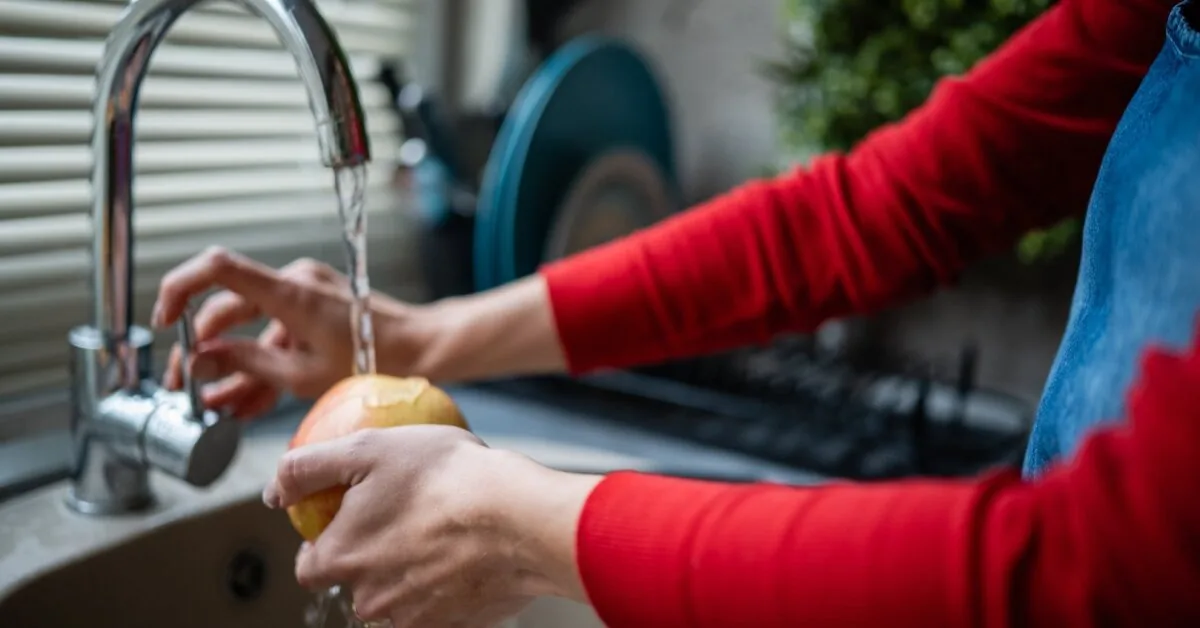
In fact, you can spread harmful bacteria on nearby surfaces, introduce pathogens into ready-to-eat food, reduce the nutritional value of products, or simply affect their quality after cooking. We asked experts which foods should never be washed in the sink and to share alternative methods to keep food safe and nutritious, and the kitchen clean, according to Eating Well.
Raw Poultry, Seafood, and Other Meats
“While many people wash chicken to ‘clean’ it, the Centers for Disease Control and Prevention and the U.S. Department of Agriculture advise against washing it before cooking,” says Dani Dominguez, a registered dietitian.
Washing raw chicken, turkey, beef, or pork does not remove pathogens from the meat’s surface; on the contrary, it can increase the risk of foodborne illnesses. “Water droplets can carry dangerous bacteria, such as Salmonella and Campylobacter, onto nearby surfaces, utensils, and other food products,” she explains.
The same applies to seafood: “Washing seafood does not effectively remove pathogens such as Vibrio species or Listeria monocytogenes, and splashing water can spread microorganisms onto surrounding kitchen surfaces, utensils, and ready-to-eat food,” says Chamali Kodikara, Head of Food Safety and Quality Management at the Institute of Food Technologists.
However, there are other ways to reduce the risk of contamination. “When preparing raw meat, the ‘zoning’ principle – where raw and ready-to-eat products are handled in separate areas, using dedicated utensils and cutting boards – significantly reduces the likelihood of cross-contamination,” says Ch. Kodikara.
Once the meat is cooked or stewed, wash your hands, then thoroughly clean and disinfect food preparation surfaces to eliminate any potentially dangerous microbes. It is sufficient to cook poultry until its internal temperature reaches at least about 74 °C – this will destroy all pathogens on or within the meat and ensure it is safe to eat. Beef, pork, lamb, veal, uncooked ham, and seafood should be cooked to about 63 °C, and ground meat to about 71 °C.
Read more Having spent more than a decade in Italian clubs, Dubickas moves to Asia
Eggs in Shells
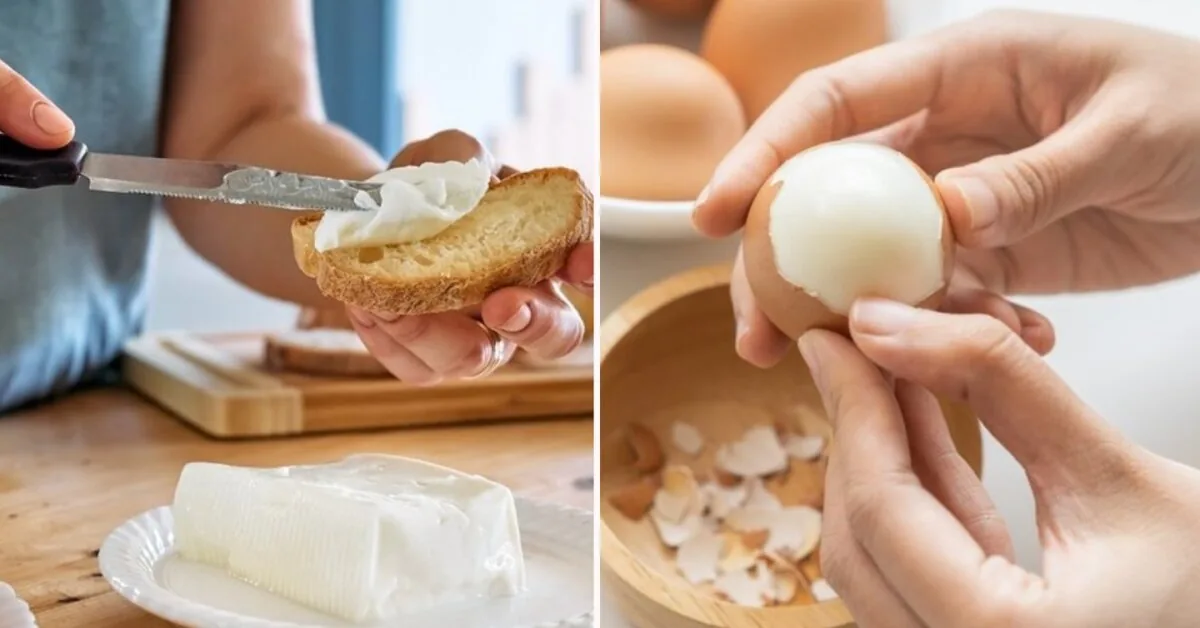
In the US, eggs are typically washed before being packaged for sale, so there is no need to wash them additionally before cooking. Washing increases the risk of damaging the fragile shell and introducing potential pathogens even before cooking. “If necessary, they can be gently wiped with a dry or slightly damp cloth, rather than washed under running water,” says D. Dominguez.
Mushrooms
Many foods are included in this list for safety reasons, but when it comes to mushrooms, it’s better not to wash them thoroughly and for too long in the sink, as they will then become less tasty. “Mushrooms are very porous and quickly absorb water, which can negatively affect their texture and lead to them becoming watery when cooked or boiled,” says D. Dominguez. Instead, quickly rinse the mushrooms and remove dirt from fresh mushrooms with a special brush; then dry them with a dry cloth or paper towel.
Uncooked Pasta
Unlike rice or certain types of grains, uncooked pasta should not be rinsed before boiling, writes Southern Living. Washing dry pasta can introduce additional moisture to its surface, which can affect the cooking process. Additionally, it can wash away some of the starch that helps sauce adhere better to cooked pasta (especially if warm or hot water is used).
For best results, cook pasta in a large pot of salted boiling water, following the instructions on the package. Rinse them only in rare cases when necessary – for example, when preparing pasta for cold salads and wanting to stop the cooking process.
Thus, it is not necessary to wash raw poultry, meat, seafood, or eggs before cooking – doing so can contaminate the kitchen with bacteria and increase the risk of foodborne illnesses. Instead, place raw meat and seafood directly into the cooking vessel, clean and disinfect food preparation surfaces, and thoroughly wash your hands after finishing.
Read more Recommended by film legend Meryl Streep: 3 worthwhile books