Before naming specific places, the architect explained the principle he uses when choosing what to photograph: “A photograph stops a moment, but space gives it meaning: light, proportions, materials, movement, and the people who naturally coexist within it.” According to Alessandro Scandurra, the most photogenic corners of the city are rarely created to be photographed – they become memorable because people fall in love with them. In other words, the photograph follows the experience, not the other way around.
Read more Absolutely do not do this: 4 products you should not wash down the sink
“Today, spaces are often created to immediately evoke a visual impression – or, even worse, to become a kind of entertainment for people who are no longer residents but consumers. An urban space is truly successful when its beauty does not reveal itself immediately but unfolds gradually, allowing everyone to perceive it in their own way. In some places, people just take a photo and move on. In others, they stay, return, and use them daily. This is what distinguishes a true urban space from just a beautiful background,” says Alessandro Scandurra.
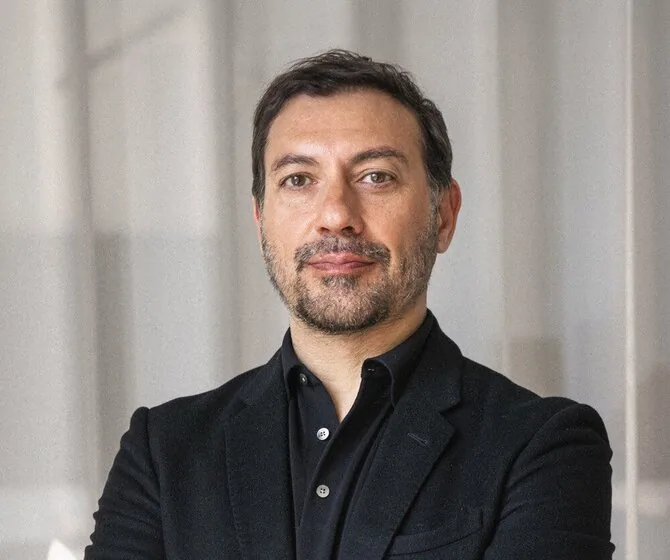
The architect speaks with optimism about Lithuanian cities. “I believe Lithuania has a rare opportunity because most of its cities are still in an evolutionary stage. Most European cities have long since fully exploited their identity. Vilnius is not. It can still create new places without risking the loss of what makes it unique,” says Alessandro Scandurra.
“Its greatest value lies not in individual iconic buildings, but in the relationship between landscape, topography, public space, and history,” the expert adds. This combination, he says, makes the urban experience authentic and memorable. The biggest challenge for the coming years, according to the architect, is to strengthen this identity – without replacing it with standardized, globally uniform urban models.
So, which three places in Vilnius and three in Milan would he photograph first?
Vilnius
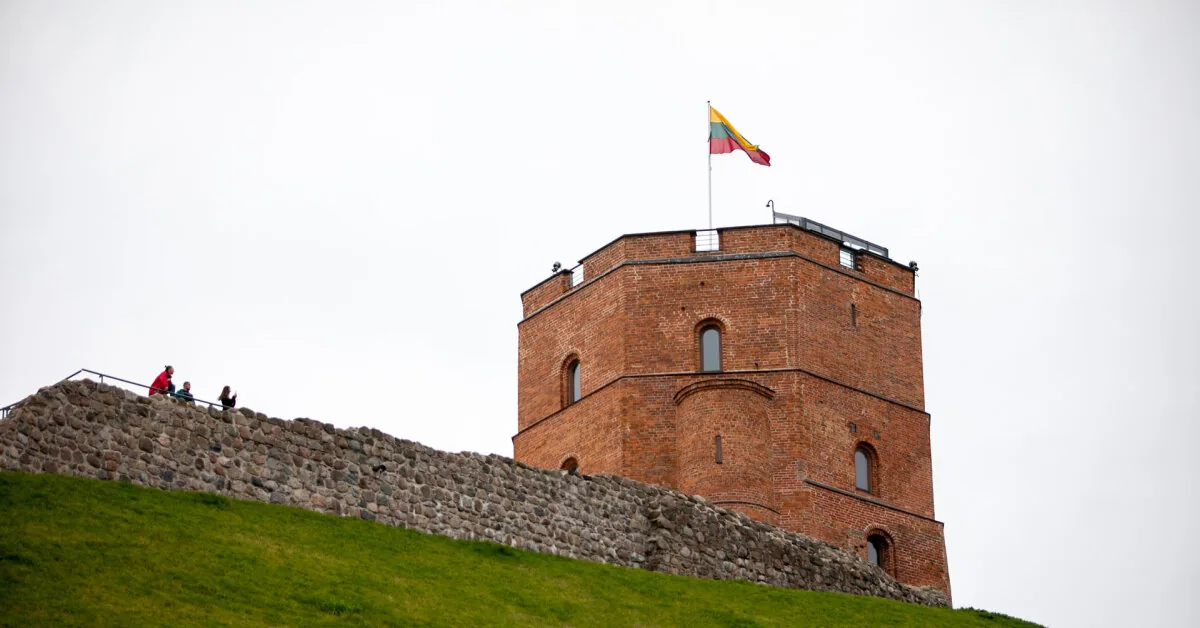
Gediminas Hill. “In the Lithuanian capital, I am particularly fascinated by Gediminas Hill – here, the relationship between the landscape and the silhouettes of the historic city creates one of the most recognizable views of the capital,” says Alessandro Scandurra. This hill stands at the confluence of the Neris and Vilnia rivers, and at its summit rises Gediminas Tower – part of the Gothic Upper Castle, which has also become a symbol of the state. The silhouette of the tower, the confluence of the rivers, and the old town stretching beneath it merge into a single view, where the city’s history unfolds at a glance.
Station District. This place appeals to the architect not for its aesthetic perfection, but because it tells a story of a changing city. “The layers of infrastructure, activities, and daily life make it one of Vilnius’s most authentic landscapes. It’s an example that photogenicity sometimes lies not in order, but in the transformation itself – when the old city hasn’t yet become new,” says Alessandro Scandurra.
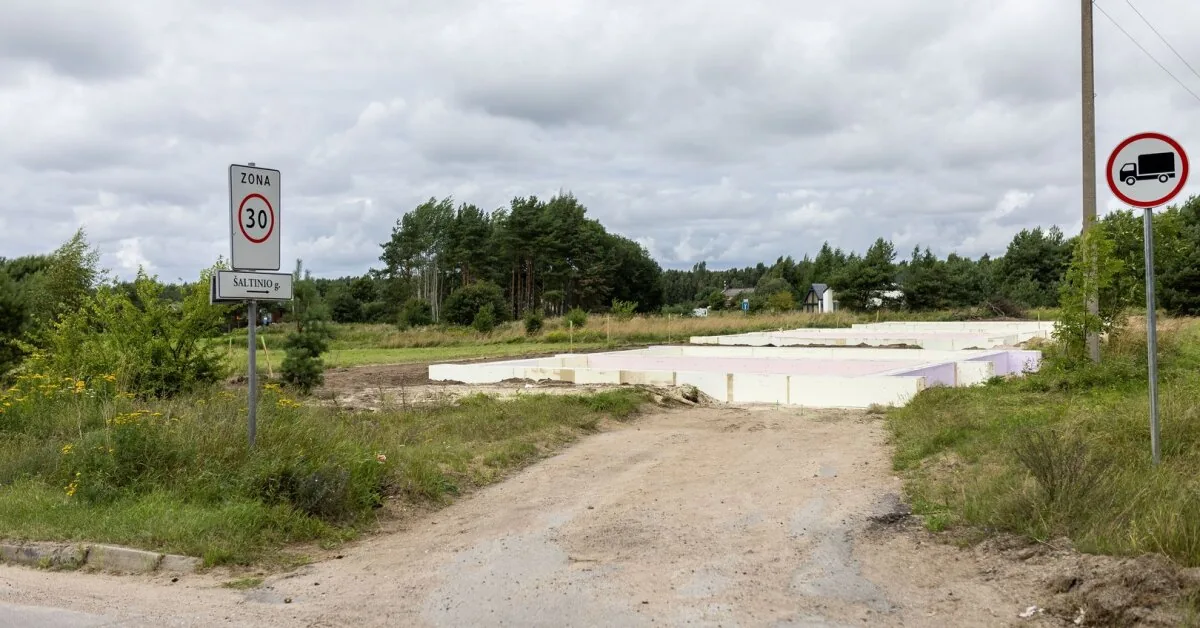
Lukiškės Square. The strength of this place, according to the interviewee, lies in its openness – rallies, celebrations, and simply daily life take place here. “Such a space shows that it is not architecture but the people themselves who make a space full of life,” says the architect.
Milan
Fondazione Prada. “In Milan, I would first choose Fondazione Prada because it successfully combines industrial heritage with contemporary architecture, creating a sequence of spaces that constantly changes depending on how you move through it,” says Alessandro Scandurra about the art center, established on the site of a former distillery in the southern part of Milan. Old industrial buildings merge here with new, contemporary architectural forms, and the space looks different each time – depending on the path you take through it.
Courtyards of the Brera district (cortili del quartiere di Brera). This is a district where narrow streets unexpectedly open into inner courtyards – a semi-hidden, semi-public layer of the city. “The boundary between public and private space here creates an atmosphere deeply rooted in the identity of Milanese people,” says Alessandro Scandurra. It is this transition from street to courtyard, according to the architect, that creates the unique atmosphere of Milan.
Cimitero Monumentale (Milan Cemetery). This is a place where each monument seems to tell its own story, and architecture, sculpture, light, and vegetation together create, according to Alessandro Scandurra, “an extraordinary dialogue between memory and the city.” Here, photogenicity arises not from beauty itself, but from the layers of meaning that this place has accumulated over decades. The architect calls it a reminder that even the most solemn urban spaces can be visually powerful.
But, according to the architect, more important than the list itself is the principle behind it. “Perhaps the most photogenic corners are precisely those that people visit without thinking of taking a photo. And then they photograph them because those places have become part of their memories. I believe that, in essence, this is the goal of both photography and architecture,” states Alessandro Scandurra.
Read more Having spent more than a decade in Italian clubs, Dubickas moves to Asia