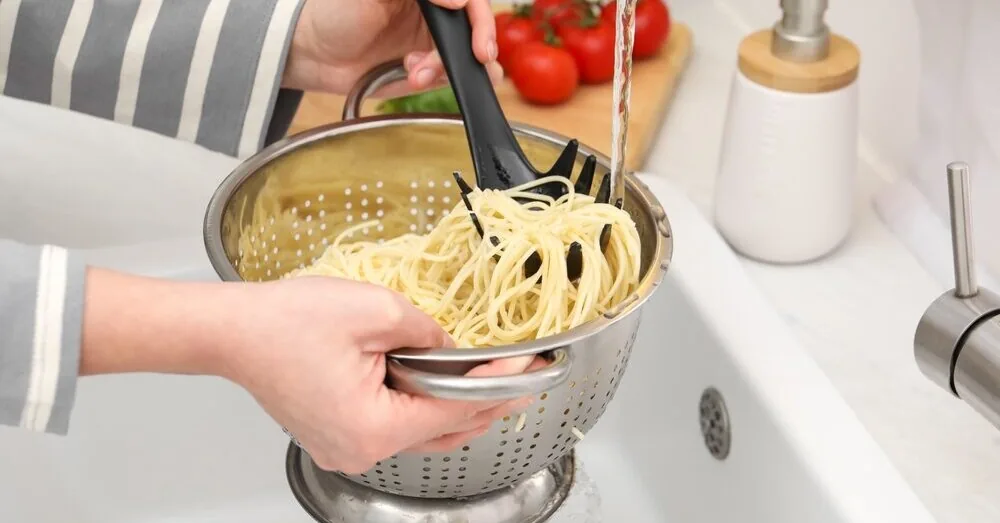
Many of us grew up with certain “rules”: for example, breaking long spaghetti in half before putting them into boiling water or throwing pasta against the wall to check if it’s cooked.
But is it really right to do so? The portal “Allrecipes” turned to professional Italian chefs and asked them to share the most common pasta cooking mistakes that should be forgotten as soon as possible.
5 most common pasta cooking mistakes
1. Separating pasta from the sauce
Chef Johanna Hellrigl emphasizes that this is one of the fundamental mistakes.
She says that the whole philosophy of Italian pasta is based on the principle of unity: pasta and sauce must become one cohesive system, not two separately served components.
“The whole philosophy of Italian pasta is about merging – pasta and sauce must become one dish, not two separately presented elements,” says the expert.
If you keep pasta separate from the sauce, you are, simply put, making a mistake. J. Hellrigl states that any technique that creates a barrier between them – for example, coating pasta with oil, rinsing with cold water, or serving separately – completely contradicts what pasta really is.
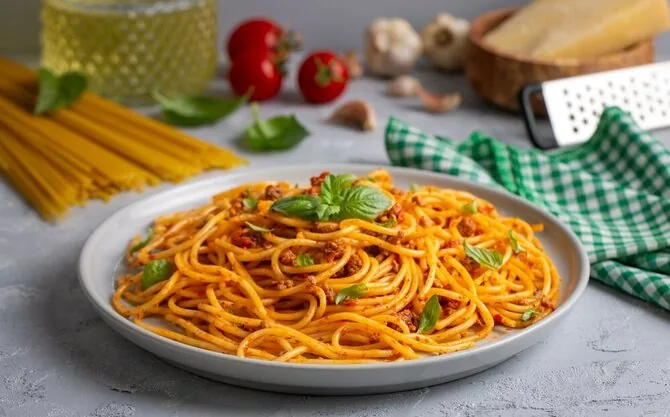
2. Pouring olive oil into boiling pasta water
Chefs are unanimous on this issue – it is one of the worst “kitchen tricks”.
Silvia Barban says: “I hate when people pour olive oil into pasta water ‘to prevent sticking.’ That’s not true! You’re just wasting good olive oil.”
She emphasizes that high-quality oil, such as “Corto,” should be used only to finish the dish, not during cooking.
According to her, the real solution is not oil, but quality pasta and proper cooking technique.
J. Hellrigl, in turn, explains that olive oil in boiling water:
floats on the surface
actually does not help during cooking
and after draining the pasta, coats their surface
And this is exactly what creates the problem – the sauce can no longer stick properly.
She also emphasizes that the problem of pasta sticking usually arises not because of lack of oil, but due to improper technique:
Read more Agreement on the establishment of a presbytery near Kretinga Hospital project preparation
too small pot
too little water
too low temperature
When the pot is overcrowded, the temperature drops, the pasta does not boil but stews, and the result becomes sticky and uneven.
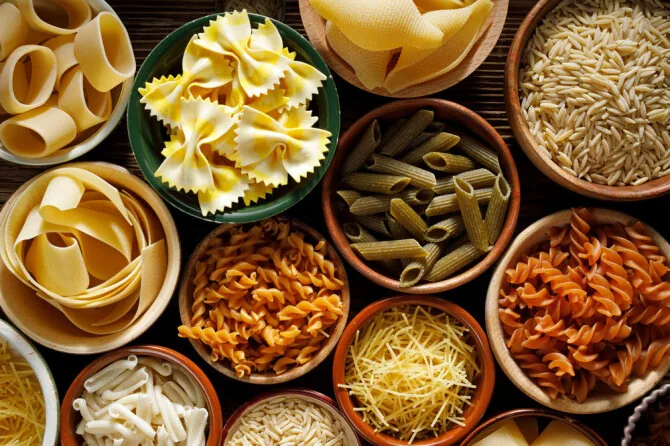
3. Rinsing cooked pasta with water
Chef Joshua Frias says this is one of the most annoying mistakes.
Rinsing with cold water:
washes away starch
ruins texture
removes the flavor base
prevents the sauce from sticking
He explains that people usually do this trying to avoid sticking, but the problem usually lies elsewhere.
J. Hellrigl summarizes it very clearly: “Cold water, hot pasta, and sauce that slides off – that’s not what we aim for.”
The only exception is cold pasta salad. In that case, rinsing is acceptable because you need to quickly cool the pasta and remove some starch before mixing with other ingredients.
4. Breaking spaghetti in half
This is a mistake that causes a lot of emotions among Italians. Chef J. Hellrigl explains that in Italy, long pasta is long for a reason – their length is part of the eating experience. It relates to how pasta twirls on a fork, how it “holds” the sauce, and how it creates the perfect bite.
Breaking, in her opinion, is simply an expression of rushing. However, there is one exception mentioned by Chef J. Frias: if you are cooking pasta for a small child, it can be broken to make it easier to eat and prevent it from falling on the floor.
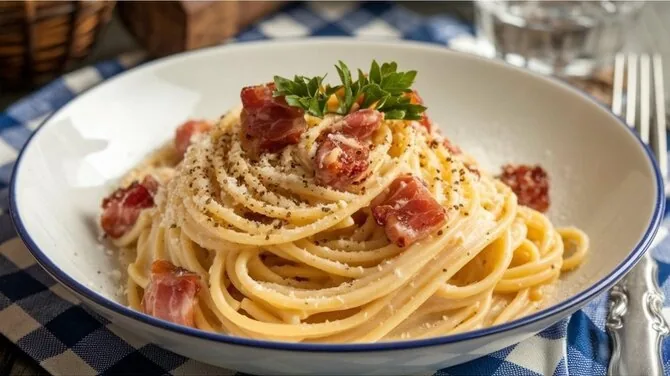
5. Throwing pasta against the wall
This is one of the most famous kitchen myths. However, as J. Hellrigl states, it is a completely useless method:
“Sticky pasta simply means it is overcooked and has released too much starch, not that it is perfectly al dente.”
Read more Terrible injury at the Roland Garros tournament – American left the court in a wheelchair
Instead of this “trick,” she recommends a simple method:
take out the pasta 2 minutes before the end
taste it
look for a slight firmness in the center
If that white spot inside disappears – the pasta is overcooked.
“Trust your taste, not the wall,” emphasizes the chef.