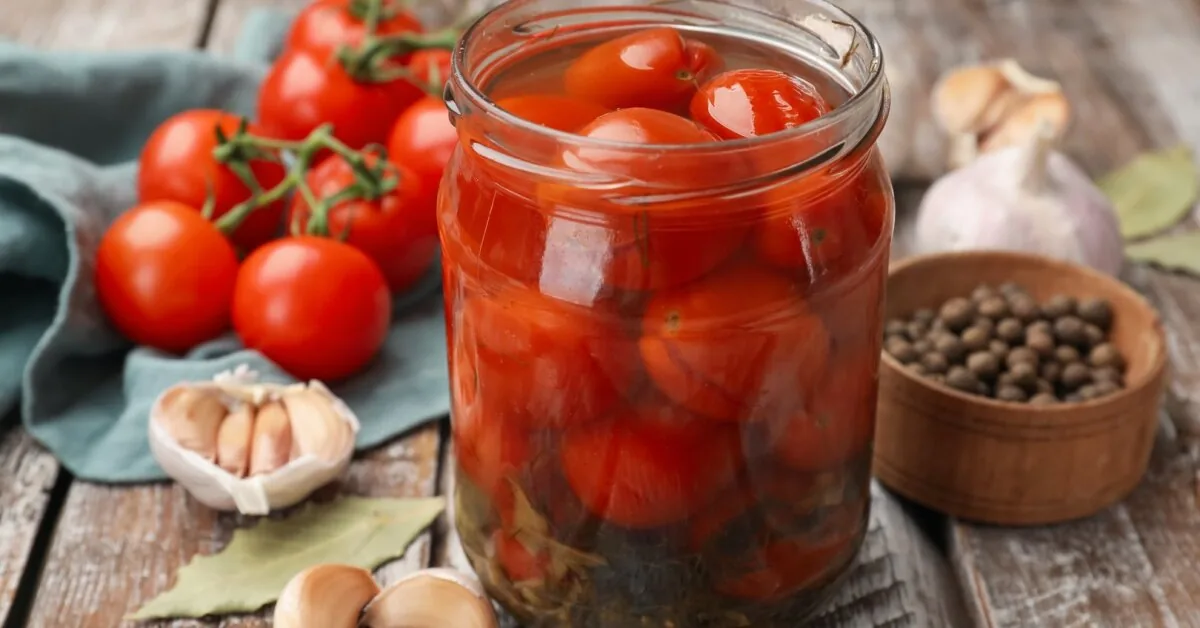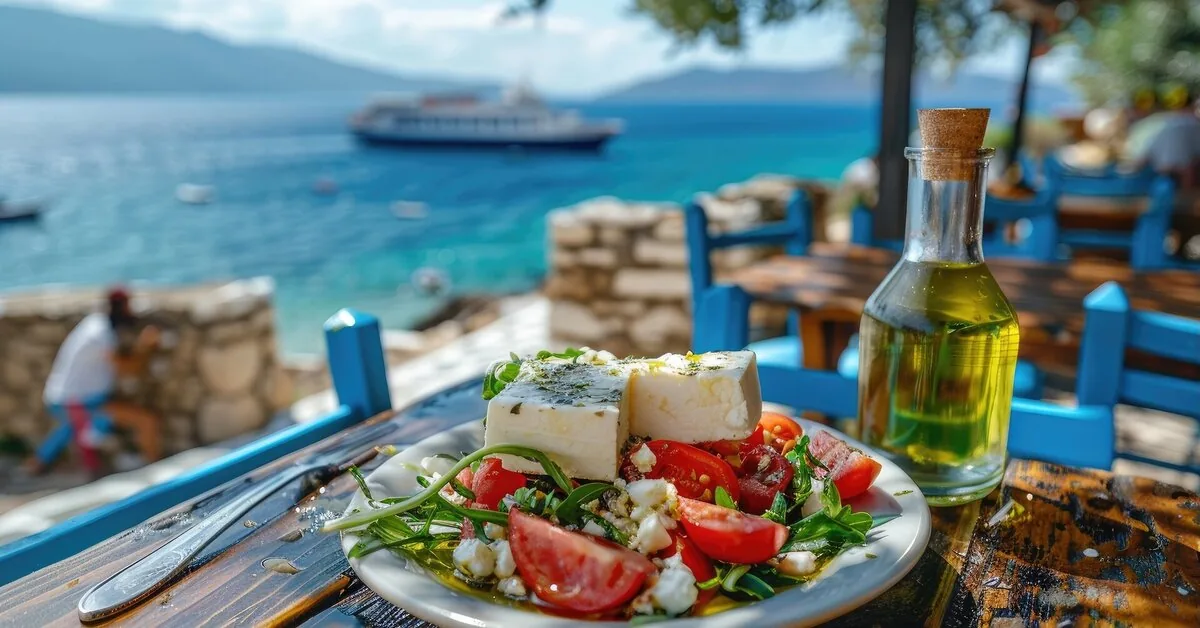
Some countries or regions have one clear gastronomic calling card – Italy is famous for Neapolitan pizza, Spain for paella, France is primarily associated with gourmet cuisine by many. In Crete, everything is a bit different. The island’s gastronomic identity is born not from one famous dish, but from the whole – fresh products, simple recipes, local traditions, and the ability to enjoy food slowly, without any rush.
Read more Drones in the Baltic States: Eyes Turn to Kaliningrad, but Lithuania Rejects It
According to Indrė Palaikė, head of product development at the travel organizer “Novaturas,” to truly get to know Crete, it is definitely worth exchanging at least one evening from the hotel restaurant to a small local tavern. Don’t be surprised if you don’t even need a menu, as hospitable hosts often lay the table with simple but exceptionally tasty products – olives, local cheese, fresh bread, various spreads, and sun-ripened tomatoes.
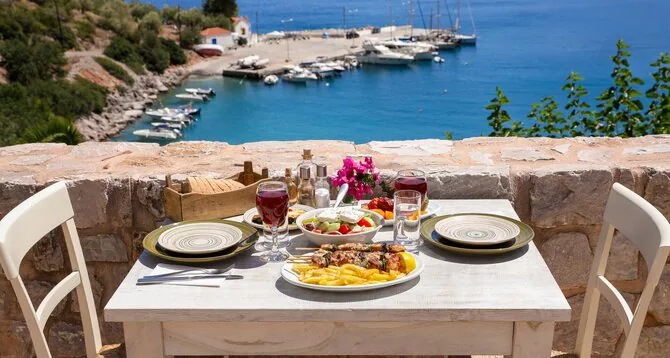
“In Crete, food is very closely connected with hospitality. For locals, it is important not only to feed a person but also to create a feeling of coziness, as if we were not guests of a restaurant but old friends or relatives who have come for dinner. That hospitality here is very natural and sincere, so dinners often last several hours, and time at the table passes unnoticed,” says I. Palaikė.
The secret of Cretan cuisine – simplicity
Locals joke that olive oil is used almost everywhere in Crete. It is poured on salads, vegetables, fish, meat, and even some desserts. It is precisely high-quality olive oil that is considered one of the most important ingredients of traditional Cretan cuisine.
Seasonality is no less important. Many taverns change their menus depending on the time of year. Some family restaurants offer guests only what is made that day from fresh products grown on their own or neighboring farms.
This approach to food has made Cretan cuisine one of the most vivid examples of Mediterranean diet. Locals still value simple, seasonal, and minimally processed food, where the most important thing is not complicated recipes but product quality.
According to I. Palaikė, travelers in Crete often discover a completely different relationship with food. Here, dinner rarely becomes a quick stop between daily plans – being together and long conversations at the table are much more important. Perhaps that is why even simple dishes leave such a strong impression here.
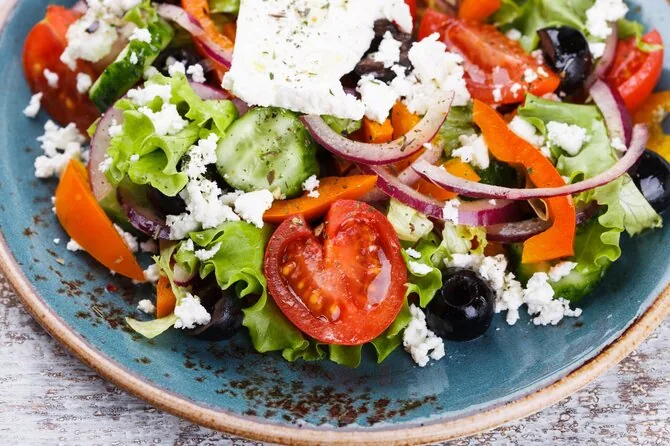
One of the island’s most famous snacks is dakos – a salad of ripe tomatoes, local cheese, and olive oil served on a crispy toast, perfectly reflecting the entire philosophy of Cretan cuisine: less sophistication, more quality and natural flavor. The table often also features snacks for sharing – grape leaf rolls, fried graviera cheese with honey, fresh bread, and traditional kalitsounia pies with cheese or herbs.
Traditional dishes worth trying
For travelers visiting Crete for the first time, the travel expert advises preparing for truly abundant dinners, as many already feel full before the main dishes even appear on the table.
Read more TEST. As the cold beet soup fever intensifies: what do you really know about the pink color?
“After the shared appetizers, grilled or slowly stewed meat usually arrives, made according to authentic recipes passed down from generation to generation. The recipes are not sophisticated, as a very simple kitchen philosophy prevails here: the higher the quality of the ingredient, the less you need to hide it under additional flavors,” says I. Palaikė.
Probably the most popular meat in Crete is lamb and mutton, from which many traditional island dishes are made. One of the best known is antikristo. For this dish, the meat is cut into large pieces, salted, and slowly roasted for several hours on large spits around an open fire. Traditionally, no marinades or abundant spices are used – the meat is seasoned only with coarse sea salt, so it retains its natural flavor, juiciness, and tenderness.
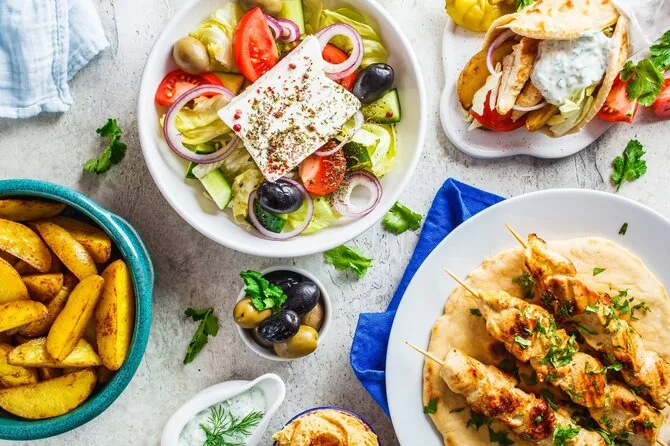
Also try kleftiko – lamb slowly baked in the oven. It is believed that the name of this dish comes from the Greek word “kleftis,” meaning thief – legend has it that rebels hiding in the mountains cooked meat underground or tightly covered so that the smoke would not reveal their location. This is said to be the origin of the slow-cooking tradition. Although kleftiko is usually made from lamb, today you can also find chicken or vegetarian versions of this dish, flavored with herbs and prepared with tomatoes, and sometimes even baked in dough.
If you prefer pork, you should like apakia – a traditional Cretan dish made from pork marinated in wine vinegar and then flavored with wild herbs and spices. Due to the unique preparation method, the meat stands out with a rich, slightly smoky flavor aroma.
The local cuisine is also unimaginable without fresh vegetables and seafood. As befits the Mediterranean region, grilled squid, octopus, stuffed vegetables, and bean dishes often appear on tables. Try gemista – tomatoes and peppers stuffed with rice and herbs, as well as briam – oven-baked seasonal vegetables, often called the Greek answer to French ratatouille.
A hearty dinner in a local Cretan tavern is hard to imagine without a glass of tsikoudia – a strong grape drink often compared to brandy, which has become an integral part of local hospitality on the island.
“Although many are drawn to Crete by the excellent climate, wonderful hotels, and Mediterranean beaches, a significant number of travelers most remember cozy evenings with friendly company and delicious local dishes after their vacation. The true charm of the island often lies in very simple things,” says the travel expert.