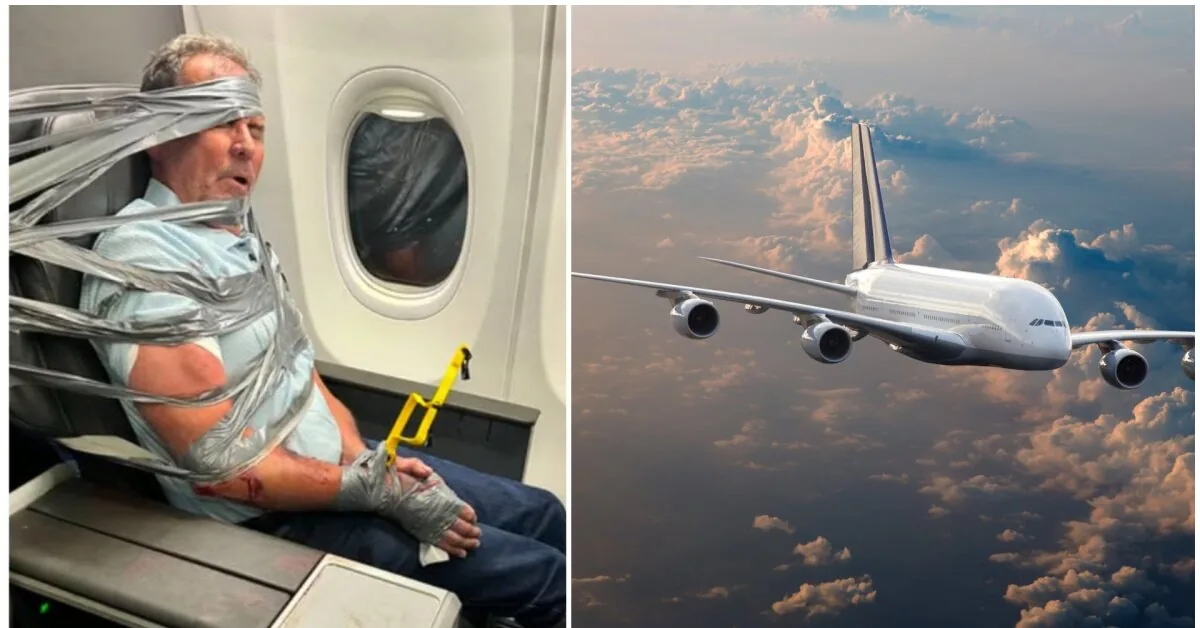
Hot air is less dense than cool air, so it is harder for airplane wings to generate enough lift and for engines to produce the necessary thrust. Because of this, on very hot days airlines sometimes have to reduce the weight of the aircraft: offload some baggage or cargo, carry less fuel, or ask some passengers to take a later flight, reports “APnews”.
Read more Fear of driving: why even experienced drivers feel anxiety?
On July 24 in Las Vegas, when the temperature rose to about 47 degrees, American Airlines offered compensation to passengers who voluntarily gave up their seats on the flight.
The company explained that reducing aircraft weight in hot regions is a common aviation practice when needed for safe takeoff.
Heat is especially important before takeoff
Before each flight, the aircraft’s weight, the airport’s altitude above sea level, outside temperature, and other factors are assessed.
At airports located at high altitudes, the air is already less dense, so even less extreme temperatures can hinder takeoff.
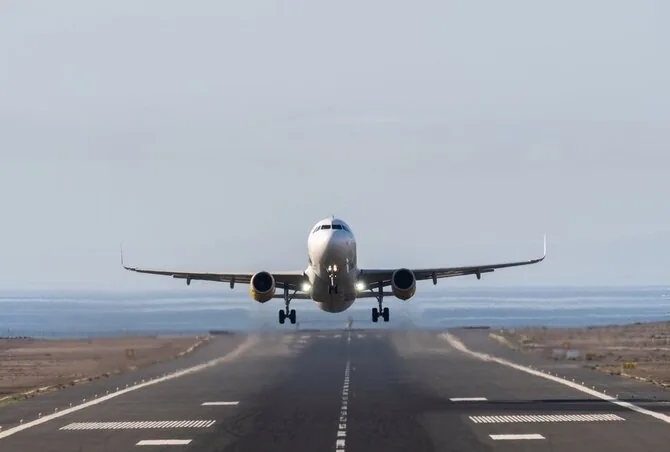
The length of the runway is also important. In hot weather, an aircraft may need a longer runway to reach the speed necessary for safe takeoff. Therefore, airports with shorter runways may more often impose weight restrictions.
If calculations show that the aircraft cannot take off safely, the airline may reduce cargo, carry less fuel and stop later to refuel, wait for cooler weather, or offer passengers to choose another flight.
Read more Thin, emaciated, missing most teeth: man missing since July 20 – police announce search
Sometimes even weight reduction is not enough and takeoff must be delayed.
The problem may become more frequent
The US Federal Aviation Administration has not set a single maximum temperature at which aircraft are prohibited from taking off. Limits depend on the specific aircraft model, its weight, and the airport’s altitude.
Authors of a 2017 study predicted that by mid-century, at some airports during the hottest part of the day, weight restrictions could apply to 10–30% of flights.
A more recent study calculated that by 2065, aircraft departing from four European airports could on average be forced to reduce weight equivalent to about 10 passengers due to higher temperatures.
Airlines are already facing such situations. In previous years, some flights in the US were canceled during extreme heat, and passengers were asked to switch to later flights.
Experts point out that airports can heat up even more than surrounding areas: there is a lot of asphalt and concrete, little shade and greenery, and additional heat is emitted by aircraft, ground transport, and air conditioning systems.