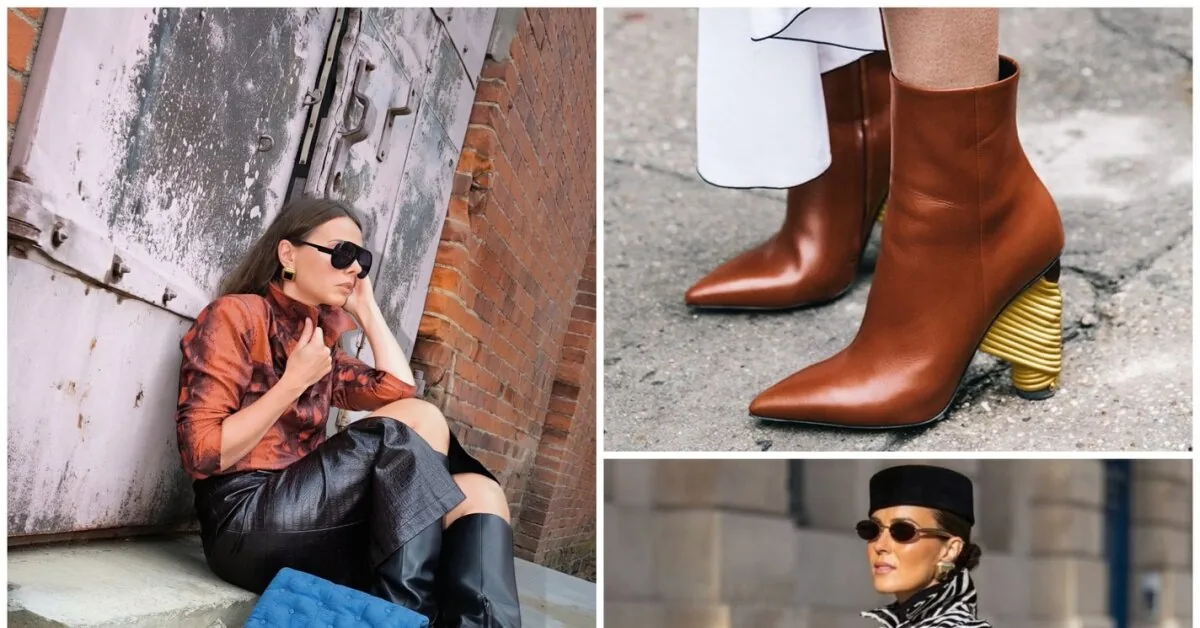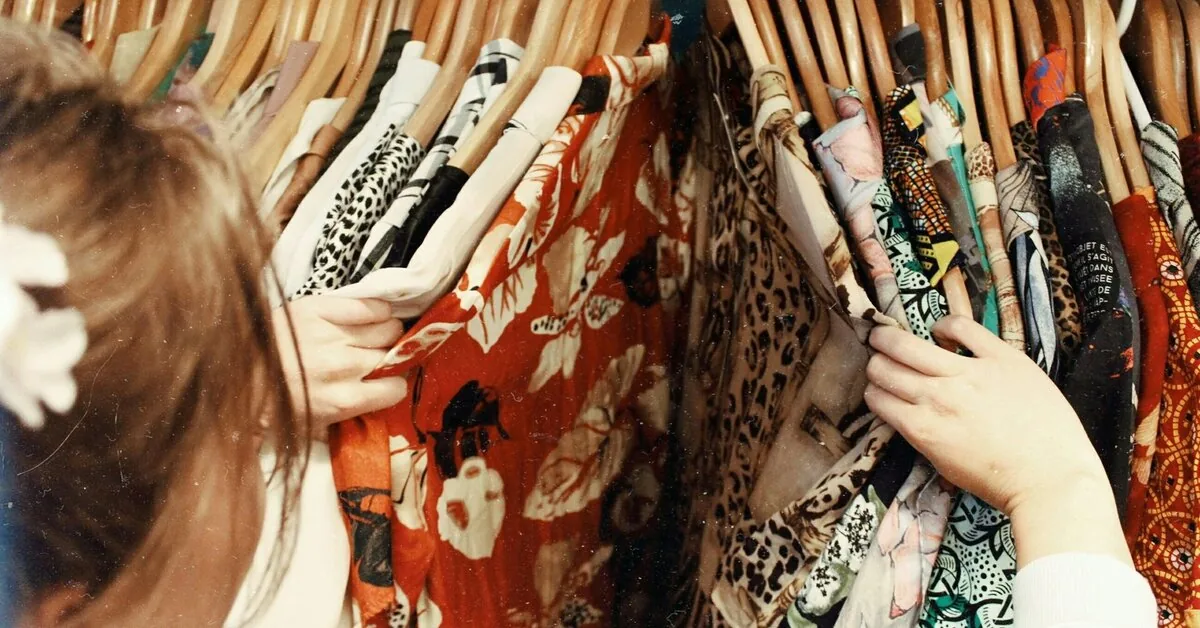
„In the fashion industry, there is a term called ‘planned obsolescence.’ Manufacturers anticipate the product quality in advance so that after a fairly short time it wears out or tears, and the person comes to buy a new one. Most often, it is just a matter of a few months,” she says.
Read more An oncology patient who tried to withdraw from the second stage: «Doubts arise whether I exist»
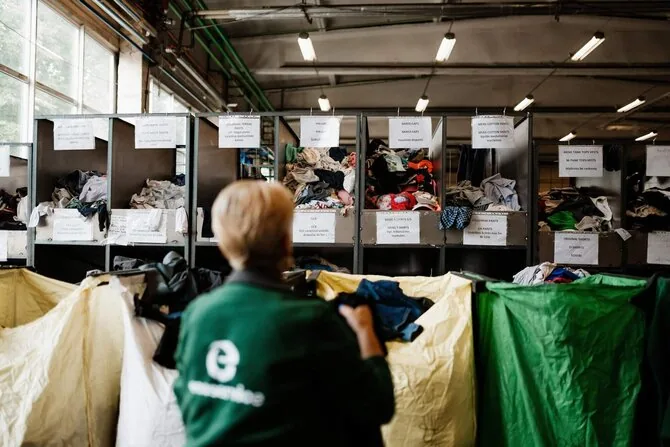
This trend is also confirmed by Rasa Guobė, a representative of the environmental management company “Ecoservice,” who states that an increasing share of the textile stream they collect and sort consists of poor-quality clothes that are no longer suitable for reuse or recycling.
“Textile waste is rapidly increasing, and recycling technologies are still being developed and improved. Therefore, the best solution today is to give clothes a second life,” emphasizes R. Guobė and adds that this requires higher quality clothes.

According to A. Svarauskaitė, the pursuit of this goal is hindered by a still widespread myth in society that a more expensive or well-known brand necessarily guarantees good quality. However, when looking for it, it turns out that it is first worth paying attention elsewhere, not to the logo.
Cheaper is actually more expensive
According to sustainable fashion expert A. Svarauskaitė, one of today’s biggest problems is impulsive clothing purchases and decreasing attention to their quality.
“People often buy what is fashionable at the moment or looks good in a photo. But they do not think about whether they will really wear that garment for more than one season. This year, the cowboy style is especially fashionable – hats, clothes with fringes, cowboy boots. Before buying, it is worth asking yourself if you will wear all this next year,” says A. Svarauskaitė.
According to her, a stylish wardrobe does not require a large number of clothes. It is much more important that they are easily combined with each other.
“Fifteen to twenty well-coordinated clothes per season are completely enough. By changing shoes, bags, or accessories, you can create many different combinations,” explains the expert.
Before buying new clothes, she also advises remembering that a cheap garment often becomes a more expensive choice in the long run.
“There is a term called ‘cost per wear.’ If you buy a cheap garment that becomes unusable after a few washes, it costs more than one quality garment that you will wear for years,” she explains.

We buy five times more clothes
The boom of fast and ultra-fast fashion changes not only people’s shopping habits but also the amount of textile waste. It is estimated that over the past 20 years, Europeans have started buying 3–5 times more clothes than before, and about 12.6 million tons of textile waste are generated annually in the European Union (EU).
Statistics show that each European buys on average more than 10 kg of new clothes per year. Although there may be more than 100 clothing items in a wardrobe, only 20–30% of them are regularly worn.
Waste managers also see rapidly growing consumption levels. “Ecoservice” collected about 7 thousand tons of textile waste last year alone – almost a fifth more than the previous year.
“Unfortunately, the number of ultra-fast fashion clothes in textile containers is increasing every year, which are no longer suitable for reuse. The logic is simple – when you buy a high-quality garment, not only will you wear it longer yourself, but when discarded, it will most likely be suitable to be worn and serve someone else,” says R. Guobė, Business Director of Textile Sorting at the environmental management company.
According to her, some residents still think that textiles thrown into containers will automatically be recycled or reused, but the reality is much more complicated.
Read more Confirmed: FIBA Champions League winners – a ticket to «NBA Europe»
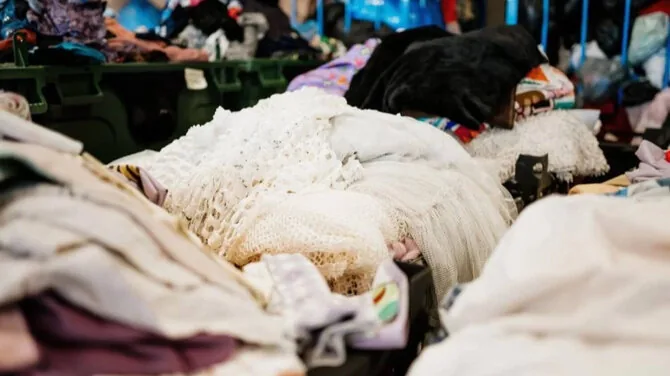
“While textile recycling possibilities worldwide are limited, the primary sorting goal is to separate what can still be reused. Suitable clothes, footwear, or home textiles are sorted by quality and further use possibilities. After sorting, about 75% of the collected textiles are currently directed for reuse,” she explains.
Some textiles that are no longer suitable for reuse but have the right composition and quality are used to produce lower-value products, such as industrial wipes. Such textiles make up about 5% of the total stream.
Damaged, wet, moldy, or otherwise unusable textiles become waste. About one-fifth of the total collected textile stream is used for energy recovery.
“The fate of collected textiles largely depends on how they are discarded. The more residents bring clothes and other textile products to special containers neatly packed in bags, rather than throwing them out with municipal waste, the more can be reused or recycled,” emphasizes R. Guobė.
The best finds are in second-hand clothing stores
The sustainable fashion expert says that a quality garment should last ten or more years, but today it is becoming increasingly difficult to find such. However, she notes that good finds can still be found in second-hand clothing stores.
“Previously, even fast fashion brands sewed higher quality clothes from better fabrics. Therefore, it is not difficult to find older collections made from good quality fabrics in second-hand clothing stores. It is especially worth looking in second-hand stores in smaller towns, preferably non-chain ones,” advises A. Svarauskaitė.
However, she notes that people often get tempted by very low prices and buy clothes for a euro each, which they later do not wear.
“When shopping in a second-hand clothing store, I always follow one simple rule – I ask myself if I would buy this garment at full price? If the answer is no, then I probably do not need it even from a second-hand store,” says the expert.
Which fabrics to choose for summer?
A. Svarauskaitė says that when choosing clothes for the upcoming summer, as well as for other seasons, the most important thing is to pay attention not to the brand but to the fabric composition and garment quality.
For the warm season, she recommends choosing natural and “breathable” fabrics – linen, cotton, silk, quality viscose, or thin merino wool.
“For me, linen is indispensable in summer – this fabric is breathable, has antibacterial properties, and is pleasant to the body. The biggest mistake is when people choose synthetics that look nice, but after the first wear, they do not want to wear them anymore because they are hot and cause heavy sweating,” says A. Svarauskaitė.
According to her, natural silk is also suitable for summer, but the specialist warns not to confuse it with so-called artificial silk, which is usually synthetic. A. Svarauskaitė also recommends carefully evaluating viscose, as it is often of poorer quality in fast fashion stores.
According to A. Svarauskaitė, it is important to look not only at the fabric composition but also at the garment’s sewing – seams, fabric thickness, drape, and overall construction. This often reveals how long the garment will last.
Read more Liudas Mažylis. The New Reality of European Airspace Security