Unfortunately, Europe often lags behind in these races. Although the European Union (EU) has strong scientific potential and talented researchers, it often happens that our discoveries do not turn into innovations, businesses, medicines, or devices. All of this is created abroad. Perhaps the European Biotechnology Act could change this?
Read more In Sydney – a painful blow to Vytautas Mikaitis: lost a valuable purchase in a few seconds
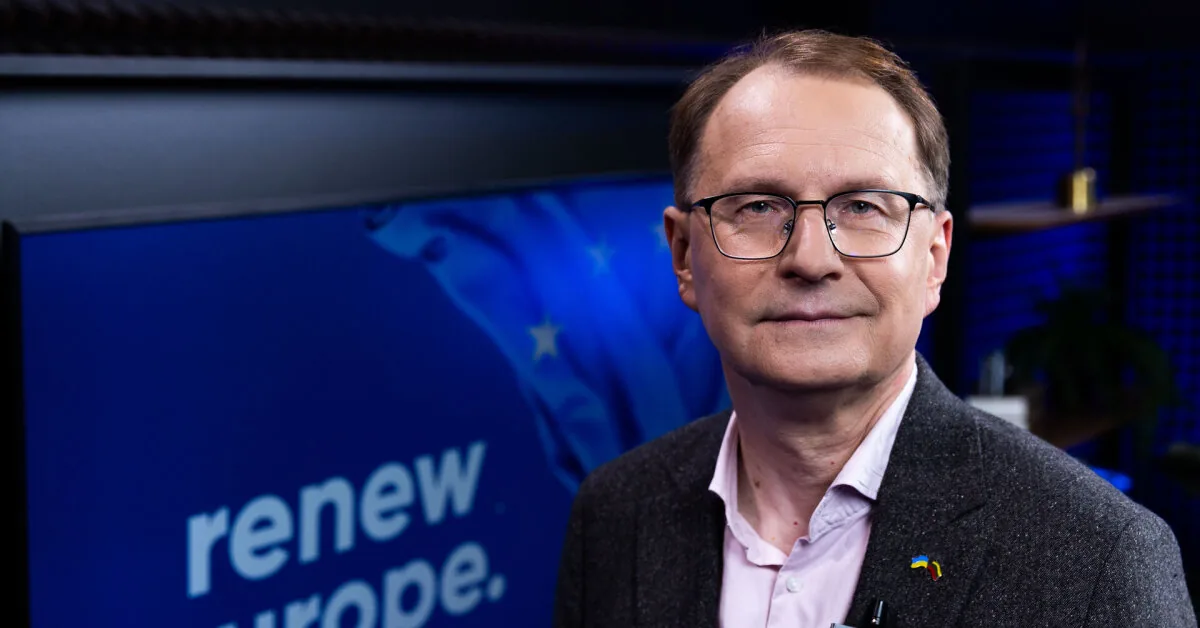
I have been entrusted in the European Parliament to be one of the rapporteurs of this act. So what is this act and why is it so important?
Biotechnology today is one of the fastest-growing fields of science and economy, as it allows the creation of new medicines, therapeutic treatment methods, advanced diagnostics, as well as solutions for agriculture or industry. In other words, it is a science that has an increasing impact on our economy, healthcare system, and daily life.
Europe has a very strong foundation, excellent universities, talented scientists, and advanced research centers. However, we often face a paradox – discoveries are born in Europe but are applied or turned into products, services, or businesses abroad. This happens due to different regulations in EU countries and a lack of funding. Most often, European biotechnology achievements “settle” in the USA or Asia.
For example, in Lithuania, “Northway Biotech” is developing “Bio City” – one of the largest scientific infrastructure and modern biomanufacturing projects in all of Europe. This breakthrough was born not because of favorable regulations, but precisely from the vision and ambition of the creators themselves, clearly revealing the true potential of our continent. However, for such success to become the norm rather than the exception, we must create effective tools that allow these centers not only to survive but also to sustainably expand across the entire community.
The European Biotechnology Act aims to encourage this. Its goal is to create a stronger ecosystem for biotechnology, health innovations, and investments, where science, technology, and investments can grow together. It is important to emphasize that this is not just a single legal act. Specific investments in scientific research, innovation, and clinical trials are also planned so that new ideas can turn into real solutions. Particular attention should be paid to clinical trials and rare and complex diseases.
Read more Messages in Greece pair Vassilis Spanoulis not with a Euroleague team
Rare diseases affect relatively few people, so there is little economic interest in developing new medicines and treatments. However, behind every patient are families waiting for answers, diagnoses, tests, or medicines that can change their lives.
Experts also highlight several main directions to strengthen the European biotechnology ecosystem. First, new coordination mechanisms need to be employed. It is also necessary to harmonize regulatory, market access, and reimbursement processes so that innovations reach the market faster. It is important to practically implement the principles of the European Health Data Space while maintaining high data protection standards. Moreover, long-term, phased financing is necessary to encourage private investments. It is also important to strengthen the potential of biotechnology sector specialists through leadership programs and promote greater talent mobility among member states.
Of course, closer cooperation between EU member states is essential – from laboratory discovery to mass production here in Europe. Essentially, we are talking about creating a common biotechnology ecosystem from scientific discoveries to clinical trials, from clinical trials to real solutions for patients. This is important for the European continent, its competitiveness, future, and the health of us all.
Europe must be a place where science is born, where investment is made in the future, and where millions of people receive new medicines and can expect new treatments at an affordable price. Regardless of where they live, people should be guaranteed equal opportunities to receive treatment.
Read more Festival «Yaga Gathering» art program – well-known and new names