The festival taking place on Venice’s Lido Island from September 2–12 is the oldest film festival in the world, first held back in 1932. Alongside the Cannes and Berlin festivals, it is considered one of the most important international film events, showcasing the latest works of renowned creators, discovering rising talents, and bringing together different forms of cinematic expression.
Read more Arvydas Pocius. What do we learn from the Nordic countries? Universal call
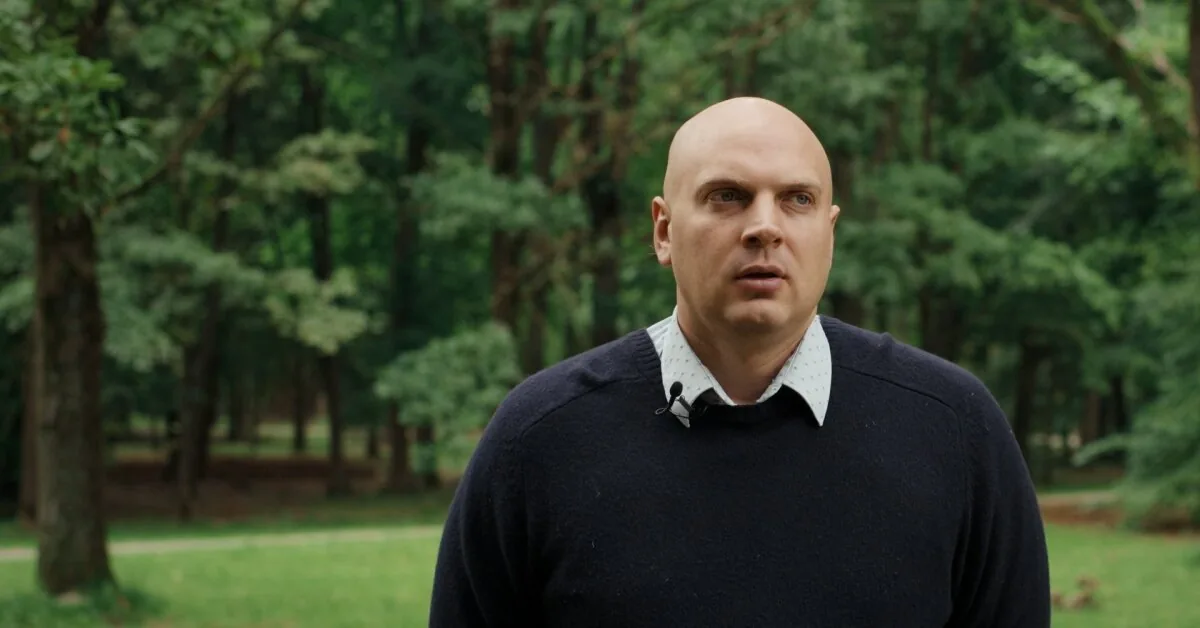
Lithuanian works have participated for the third consecutive year in the festival’s competitive program “Venice Immersive,” which includes various extended reality works. This year, the animated VR film “Eyes of Shame” by Tomas Tamošaitis, created in collaboration with France and Croatia, will compete here.
The VR film invites viewers to immerse themselves in the inner world of Beakė, a fourteen-year-old girl hospitalized with troubled teenagers. Carried by the fragmented flow of Beakė’s thoughts, the viewer travels between the hospital’s daily life and fragments of her childhood. The idea’s author, director, and producer T. Tamošaitis worked on the film for almost a decade, and its visions were realized by animators from Europe, Mexico, and Japan.
The screenplay authors are T. Tamošaitis and Emmanuel Rouglan, the artist and lead animator is Skirmanta Jakaitė, the 3D character and environment modeler is Arminas Didžiokas, the composer is Jonas Jurkūnas, and the sound designer is Vygintas Kisevičius.
After the world premiere, the film will be available to watch in Lithuania at the BLON animation and video game festival and at the “Inconvenient Cinema” festival.
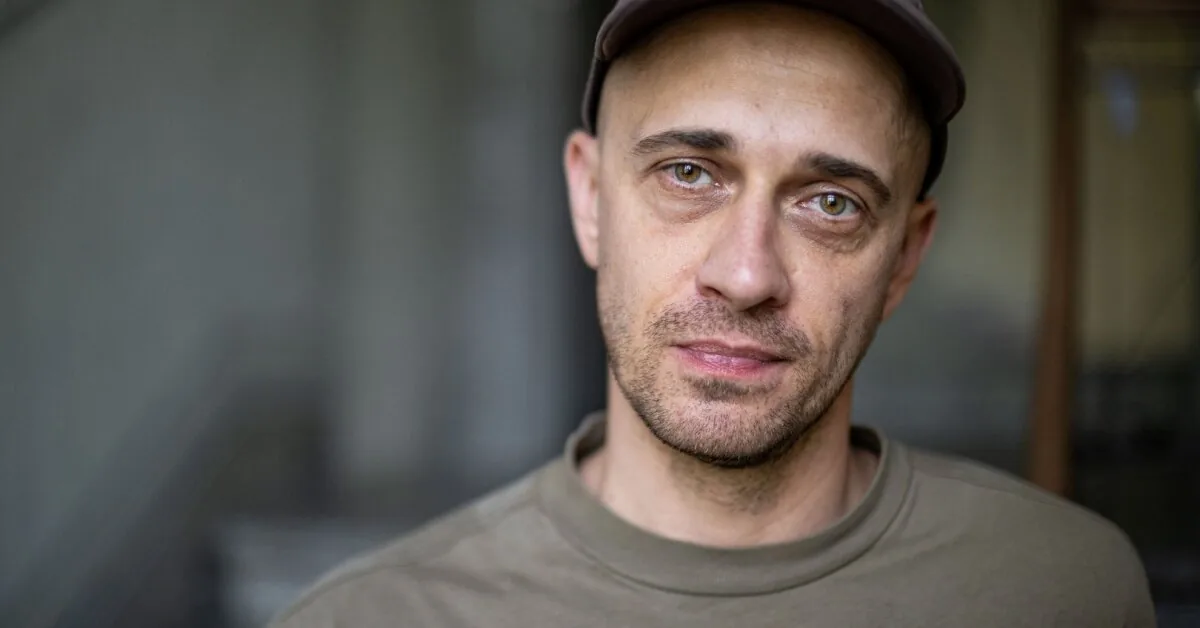
Two Lithuanian co-produced documentary films – “Empire” and “Letters from a Silenced Country” – are presented in the official non-competitive Venice Film Festival program “Venice Open.”
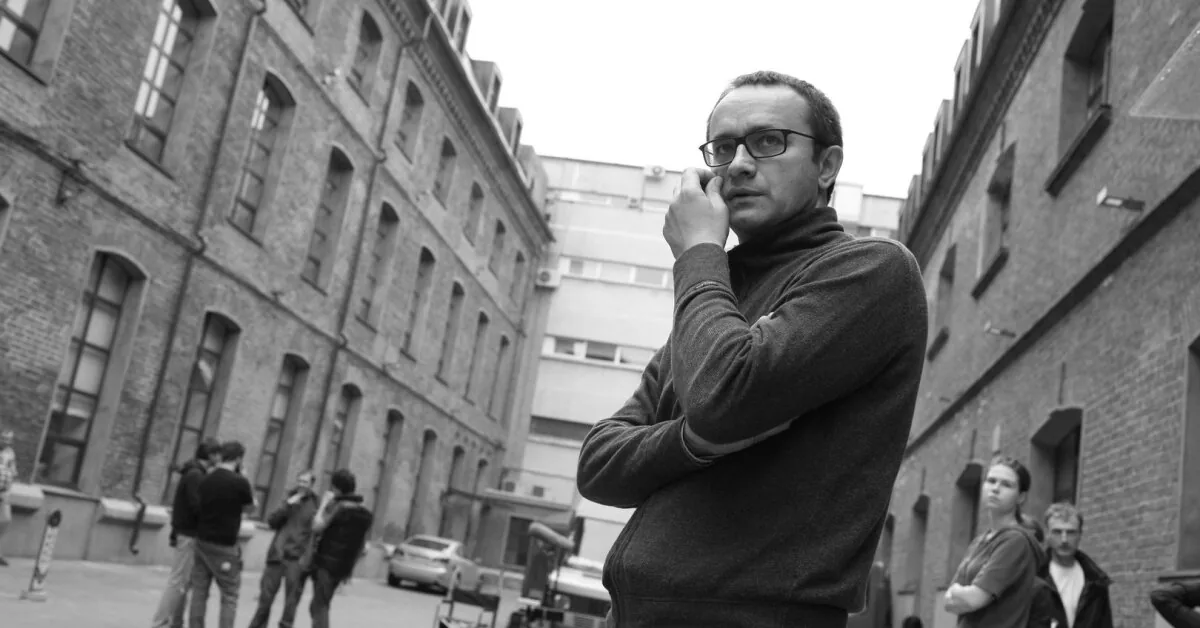
The film “Letters from a Silenced Country” by Belarusian documentary filmmaker Andrei Kutsila, who lives in Poland, creates a portrait of contemporary Belarus through the stories of people who have experienced imprisonment, repression, and forced emigration – voices that the authoritarian regime seeks to silence.
The observational documentary intertwines with personal archives, surveillance footage, police recordings, found video material, and animation based on drawings made in prison. In a country where speaking publicly becomes dangerous and people are afraid even to discuss politics, their letters reveal experiences full of pain, love, and hope.
Read more Tragedy at Egyptian resort: at least 16 people died in a bus overturn, dozens injured
“Letters from a Silenced Country” is a co-production of Poland, Germany, and Lithuania (co-producer Giedrė Žickytė, “Moonmakers”). The film’s composers are Paulius Kilbauskas and Vygintas Kisevičius, and the sound director is Saulius Urbanavičius.
Meanwhile, in the film “Empire,” archival film master Sergei Loznica once again turns to the Soviet era – this time using footage shot by Italian operators in the Soviet Union in the early 1970s. The footage found in the Workers’ and Democratic Movement Audiovisual Archive (Archivio audiovisivo del movimento operaio e democratico) in Rome surprised the director with its sharp contrast to the official Soviet film production of that time.
The film, which begins in Moscow, soon moves to the empire’s outskirts, revealing different cultures, beliefs, and ethnographic peculiarities. At the same time, the power relations between the local population and the colonizers become apparent. Thus, a portrait of Russian imperialism – both historical and ongoing – is created from archival material.
“Empire” was created in collaboration with filmmakers from Germany, Italy, France, and Lithuania. Lithuanian co-producers are Uljana Kim and Ignas Dilys, the sound director is Vladimir Golovnitski, the editing directors are Audinga Kučinskaitė and Sergei Loznica, the image restorer is Jonas Zagorskas, and the musical design is by Vladimir Tarasov.
The independent Venice Film Festival program “Giornate degli Autori” will also feature the competitive film “I Plant My Hand in the Garden” by directors Hoda Taheri and Boris Hadžija, who live and work in Berlin and come from Iran, Serbia, and Montenegro. The film’s cinematographer is Vytautas Katkus, and the colorist is Justinas Vencius.
The film tells the story of Hoda and Boris, who are expecting a child and decide to get married and start a family. As the wedding approaches, they begin to realize that this step may require rethinking what it means to be a couple.
Read more Published Valdas Adamkus’s letter to his wife Alma