




Experts say the initiative is good, foreigners, having no alternatives, will visit city museums, but Lithuanians need original “berries” to make it worth visiting museums.
Read more Near the Olympics – and a European Championship medal: Senkutė became the runner-up
Molėtai tries to intrigue with geological secrets
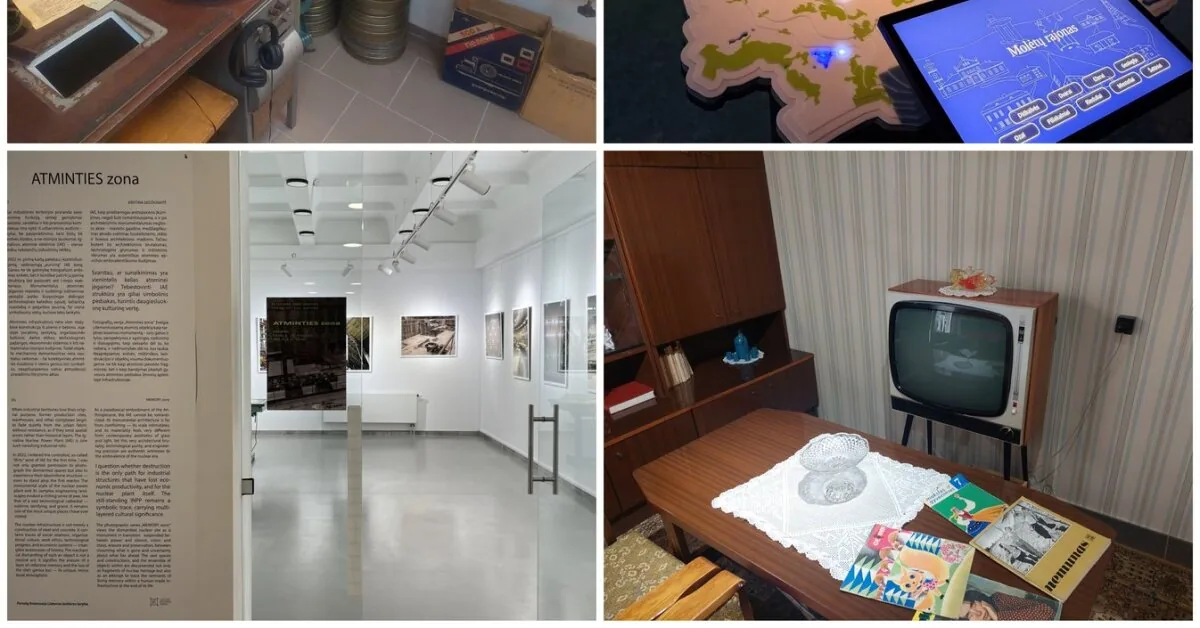
For example, the recently opened new permanent exhibition of the Molėtai Regional Museum “Key to the History of Molėtai” presents the history of the region from the times of the Luokesai Lake polar settlement to the present day. Here you can independently explore the natural and cultural values of the Molėtai region.
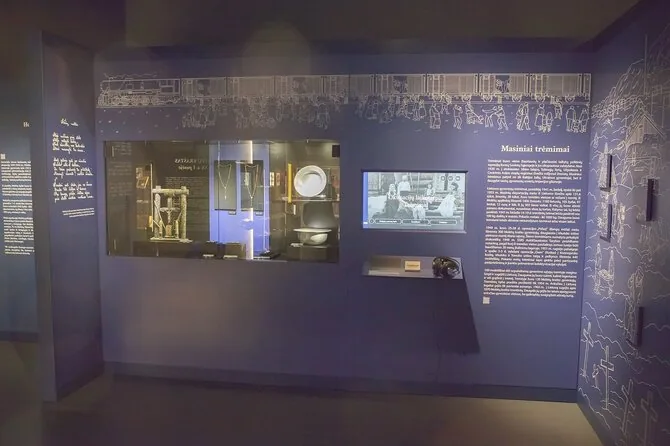
The Molėtai museum also presents natural phenomena – geological heritage, relief. You just need to press the links on the monitor and the locations of hillforts, burial mounds, eskers, lakes, springs, boulders, and manors light up. Visitors may be surprised by the abundance of lakes and hillforts and the fact that this region has one of the most famous marked boulders – the Valiulis stone.
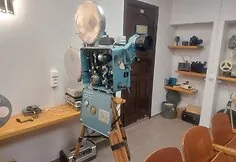
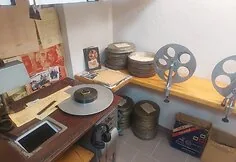
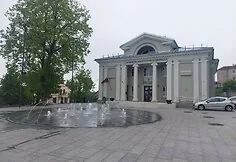
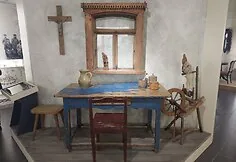
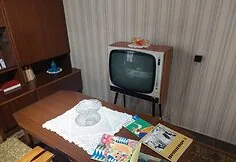
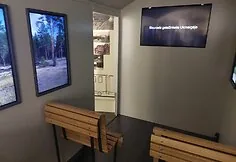
Meanwhile, the Ukmergė Regional Museum, operating in the former “Draugystė” cinema building, attracts visitors with both the interwar spirit and the achievements of Soviet industry. It exhibits typical mass-produced Soviet-era Ukmergė industrial products – lacquered sections, coffee tables, and even telephones. Visitors can also climb into a simulated narrow-gauge railway train carriage and embark on a journey through the Ukmergė region.
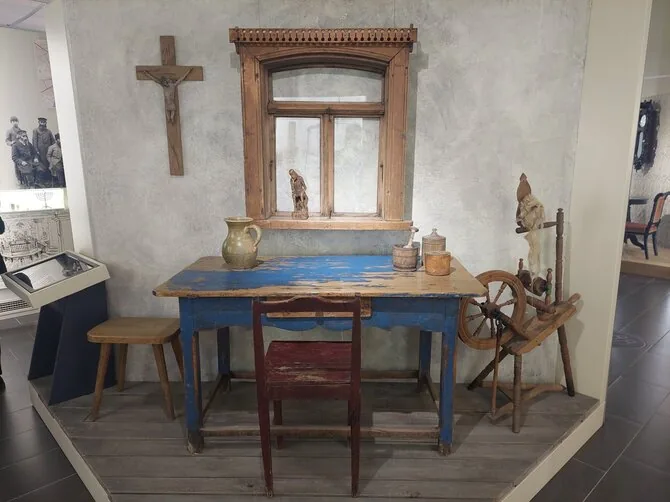
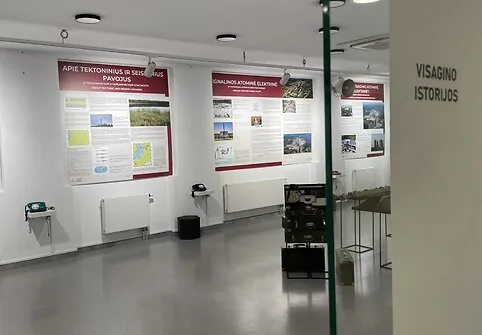
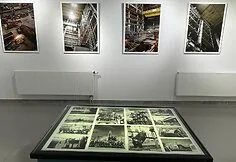
The Visaginas City Museum tells the story of Lithuania’s youngest city – from the daily life of the builders of the Ignalina Nuclear Power Plant to the life of the multicultural city community. Contemporary art, painting, and photography exhibitions are regularly held and changed here, and their ideas are often suggested by the city residents themselves.
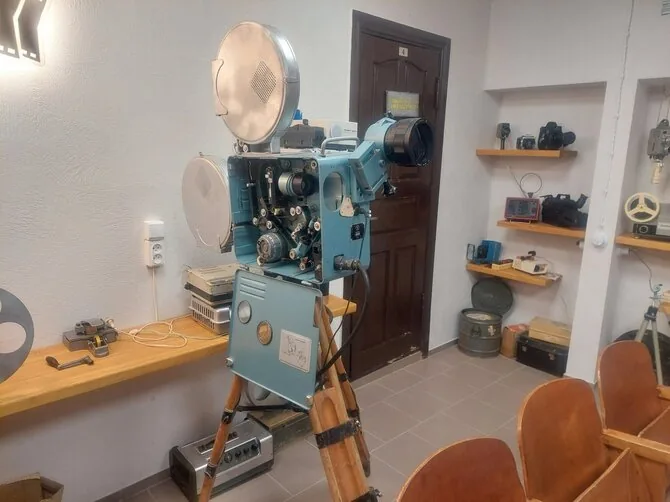
The Pasvalys Regional Museum, also established in a former cinema building, pays special attention to cinema history. In a small hall, visitors can watch films projected from old film reels (bobbins).
Wine tasted abroad
The Zanavykai Museum in the Šakiai district tells the story and traditions of the Sudovia ethnographic region. Alongside the permanent exhibition, new exhibitions are regularly held here, so the museum constantly invites visitors to return.
In the near future, the museum map in Aukštaitija alone should be supplemented by the Kaišiadorys and Elektrėnai museums. This shows that municipalities increasingly see museums not only as places to store exhibits but also as important centers of culture and tourism attraction.
The boom in establishing municipal museums in Lithuania may be somewhat inspired by Portugal or France. There, even small towns have modernly equipped local museums that become almost a full-day experience: children with guides go on educational routes, get acquainted with local nature or crafts, taste fresh grape juices, and adults are offered tastings of local wines. In France, the police can tolerate a blood alcohol level of 0.8‰.
Romance is needed
Experts have different opinions about municipalities’ desire to create their own museums.
“Enthusiasts who speak English very well are needed. Only then will city museums be attractive to foreign visitors,” said Eglė Blažaitytė, the local tourism manager of “Kelionių laikas,” without beating around the bush. According to her, museums should also offer additional experiences, such as educational programs and tastings.
“Museum workers must be personalities passionate about their ideas,” E. Blažaitytė notes.
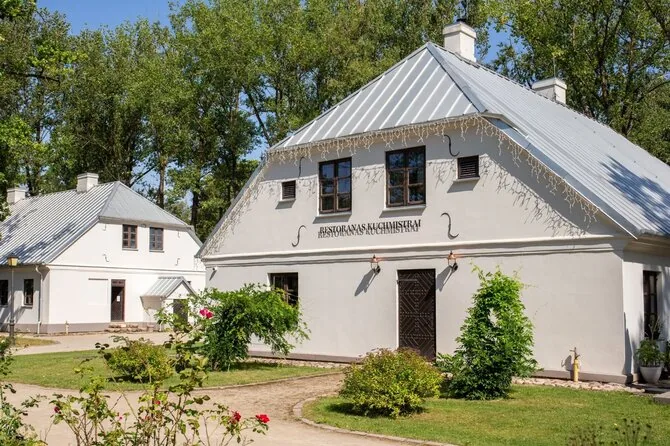
“It is especially important what is additionally offered to visitors besides the museum exhibitions. For example, next to the Zanavykai Museum operates the Kuchmistrai restaurant and a very original hotel. So why not spend a romantic night here for individual travelers?” wonders Tadas Kertenis, creator of the travel app “Hoperfy.”
Meanwhile, Dr. Jonas Satkūnas, a scientist at the Nature Research Center, sees advantages in niche museums. “I was impressed by the Molėtai Regional Museum, where you not only dive deep but all this is presented interactively,” says the scientist.
Arnis Stankevičius, head of the travel agency “Valandėlė,” highly praised the Pasvalys Regional Museum. According to him, visitors are attracted not only by the interestingly arranged exhibition but also by the preserved small cinema hall.
The interlocutors agree that today museums no longer suffice with just accumulated exhibits. Visitors seek experiences – engaging stories, live emotions, unusual exhibitions, and the opportunity to combine museum visits with other activities. Such a combination can become an important reason to visit not only museums in big cities but also in smaller Lithuanian towns.