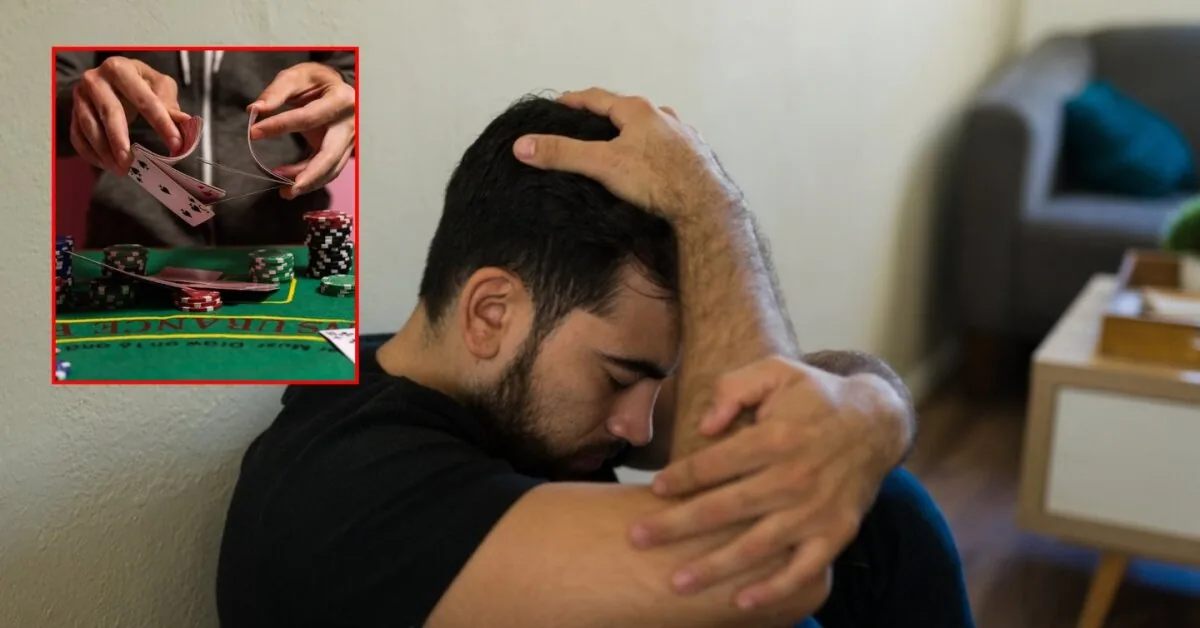
According to specialists, such cases, which can occur even long after cessation of use or harmful behavior, are a normal phenomenon because addiction is a chronic disease that manifests itself in various ways, according to a press release from the Republican Center for Addiction Diseases.
Read more Ministry negotiates with Japanese businesses on joint projects and investments
“Our brains operate through reflexes. Many have experienced that after moving an electrical switch during repairs, the hand still automatically reaches for the former location for a long time. This is a conditioned reflex that disappears only if the action is not repeated for a long time. There are also many conditioned reflexes related to addiction that do not automatically disappear just by stopping use; it takes a lot of time for them to weaken and disappear if not reinforced,” says Vijolė Miškinienė, head of the Inpatient Psychosocial Rehabilitation Department at the Panevėžys branch.
According to her, people who have given up psychoactive substances or harmful behavior often say that after some time they start dreaming about their previous addictive behavior. Such dreams do not automatically indicate that the person is not in remission or that the addiction has returned; it is important to pay attention to what happens upon waking. If the person realizes with relief that it was just a dream, then this phenomenon is part of recovery. However, if the person thinks about it for several days afterward and even begins to idealize use, this is already a signal of a possible relapse.
“We hear more similar examples. For instance, a person recovering from gambling addiction, after work, who was supposed to go to the bus stop, does not realize how they end up near a gambling hall. Or when paying for groceries at the checkout, the person sees a bottle of alcohol among the items taken, although they do not remember taking alcohol and had no such intention. This happens automatically due to old conditioned reflexes when it was usual to go gambling or put alcohol in the shopping basket. There is no need to be alarmed, but if any questions arise or similar situations repeat, it is better to consult specialists on how to act, as the person may need more psychological support during recovery,” says V. Miškinienė.
Physical symptoms are easier to overcome
The interviewee says that addiction has both physical and psychological symptoms that develop gradually. A substance or certain activity, such as gambling, initially serves as an easy way to escape stress, heavy thoughts, and to calm down. When there are many difficult situations in life, quick distraction becomes part of the daily routine, which leads to the development of physical dependence.
Later, when use or activity becomes more important than relationships, work, or obligations, and it becomes increasingly difficult to control the amount of substance used or time spent, psychological addiction symptoms can be discussed.
“If physical aspects can be more easily noticed and measured, psychological ones are not always easy to detect. Physical dependence manifests as withdrawal symptoms when the usual substance is not received or the pleasurable activity is lost: tremors, sweating, nausea, vomiting, insomnia, body aches. Psychological dependence manifests as anxiety, irritability, aggression, constant thoughts about substance use or certain behavior, such as gambling. By the way, some addictions, such as gambling or social media, are mostly or purely psychological in nature,” says V. Miškinienė.
When a person decides to recover from addiction, it is faster and easier to get rid of physical symptoms when medication helps eliminate intoxication and withdrawal effects. Feeling physically better, many begin to think they are cured, forgetting the psychological symptoms that last much longer and, if untreated properly, can trigger relapse – returning to use or harmful behavior.
Read more Johnson & Johnson will pay billions to end a decade-long dispute
Signs of possible relapse
According to the interviewee, addiction is a disease that can try to return at any time, so people who have achieved remission must remain vigilant for life.
“Relapse very often occurs when a person feels cured after many years of abstinence because the illusion arises that everything is fine and it is possible to use ‘in moderation.’ Often relatives and friends think so too. In reality, even the smallest amount of substance or action can again cause uncontrollable use. Understanding addiction and its effects is best helped by comprehensive treatment combining medication and psychotherapy, during which patients realize that they will need to learn to give up any use and how to do it,” the specialist assures.
V. Miškinienė points out that some signs of possible relapse can be noticed both by the person and their relatives. The first signs should not be ignored; specialists should be contacted immediately to help manage them and avoid relapse.

“Possible relapse can be signaled by changes in a person’s emotional state and behavior: they become irritable, withdrawn, angry, start avoiding loved ones. Thoughts begin to revolve constantly around use, the person may start visiting places where they used to use or associate with their previous company. Motivation to recover also decreases – if the person attends specialist consultations or anonymous mutual aid groups, they may start missing them, finding various excuses. Finally, substance use or return to harmful behavior, such as gambling, occurs,” she says.
According to the specialist, relapse is not a failure of treatment and recovery but part of the disease and a sign that additional attention or adjustment is needed. From a modern medical perspective, addiction is a disease, so its treatment is effective when help is sought from specialists.
“During treatment, patients learn about the disease, its development, and relapse prevention. The team of specialists is ready to help not only the addicted person but also their relatives – then the results are much better. Almost all patients treated or undergoing treatment with us say they regret not believing that help exists and not coming earlier,” says V. Miškinienė.
Read more Spanish Prime Minister: «Light at the end of the tunnel» seen in the fight against forest fires