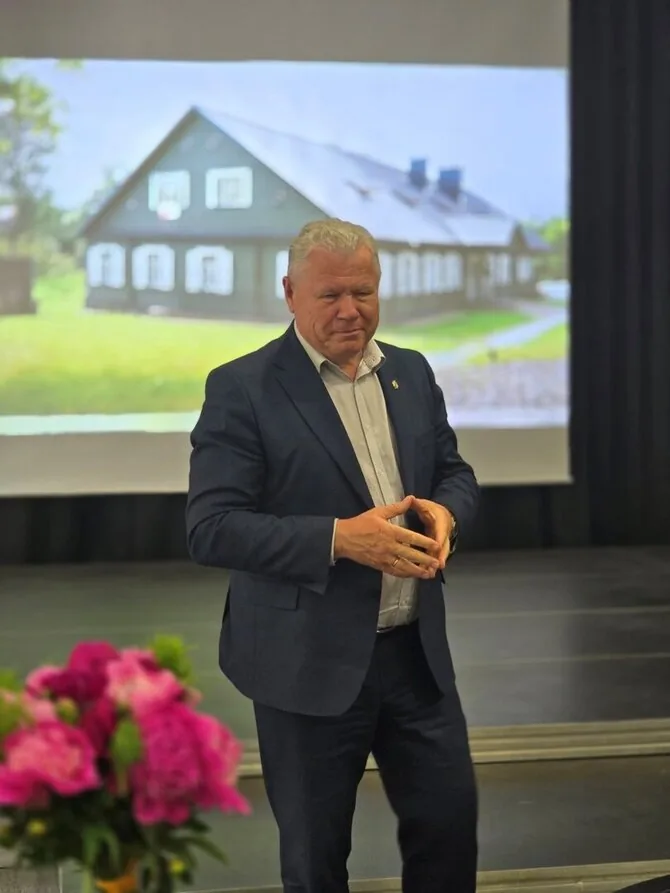
“Each town in our district has its own unique history, but Kurkliai stands out because it intertwines Lithuanian statehood, Litvak heritage, nature, and a community created by its people. The 500-year anniversary is a great opportunity to once again touch upon the town’s history, the fates of its people, and to show that even the smallest towns in Lithuania can be important not only to our region but also to the world,” says Kęstutis Tubis, mayor of Anykščiai district.
Read more Kyiv says goodbye to 25-year-old Lithuanian volunteer Ignas Kailys
From Kurkliai to a Global Fashion Empire
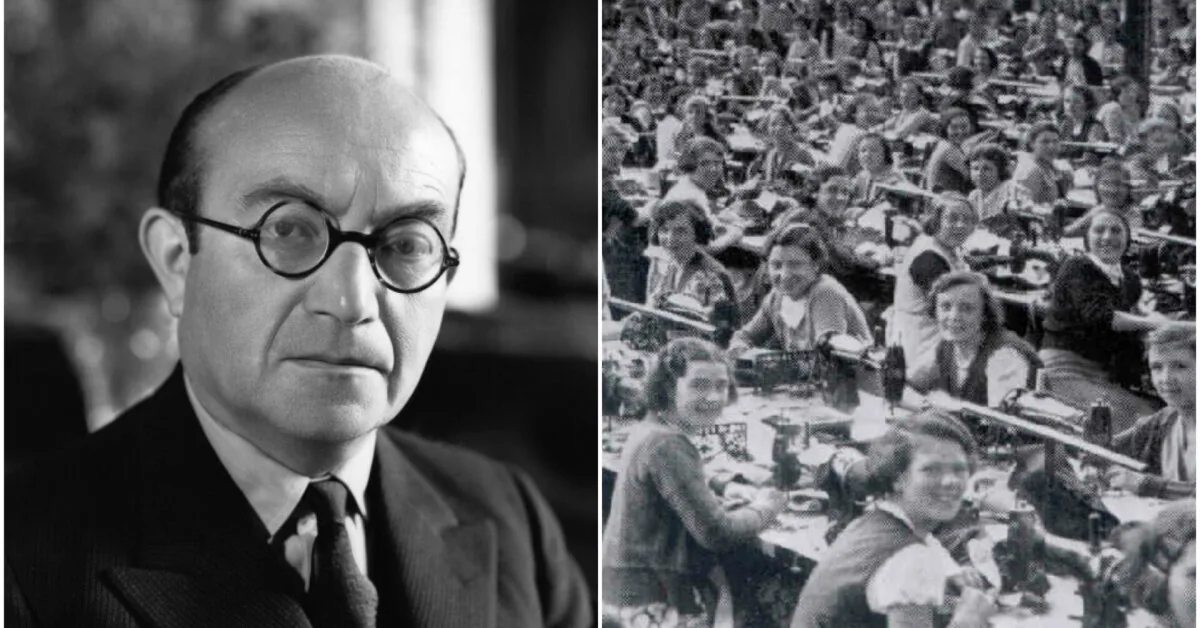
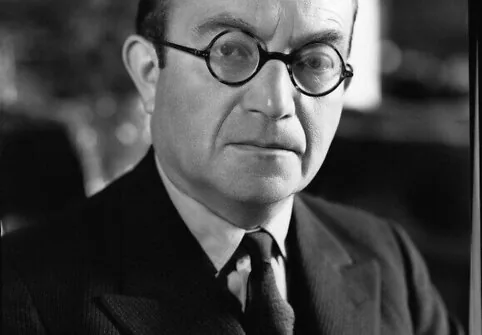
At the end of the 19th century, Kurkliai was a lively trading town where a large Jewish community had a synagogue, a religious school, a library, a people’s bank, and engaged in trade and crafts. It was in this environment that fifteen-year-old Moishe Dovid Osinsky left for Great Britain in 1900 – almost penniless and without knowing English.
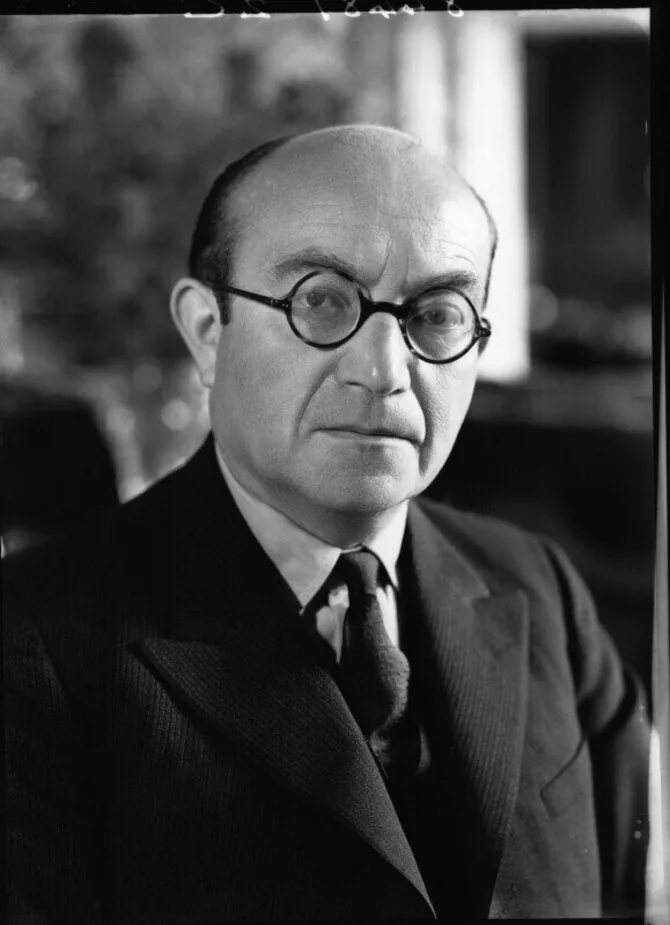
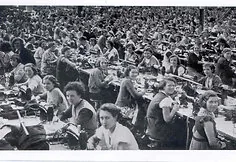
Just a few years later, he opened his first clothing store, and in 1910 he became a British citizen and changed his name to Montague Maurice Burton. Over several decades, his business grew into one of the largest men’s clothing empires in the world – by the 1920s, the “Burton” chain already owned about 400 stores, factories, and production facilities, and the Hudson Road Mills factory built in Leeds was considered the largest clothing factory in the world.
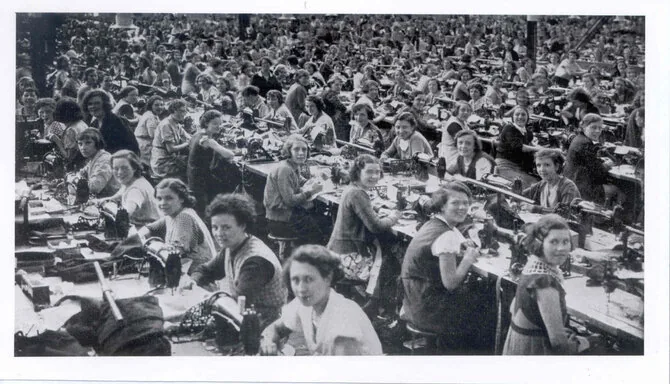
According to Tomas Tuskenis, director of the Anykščiai Arts Center, this story deserves much broader public attention.
“Many people don’t even realize that one of the most famous creators of the British fashion business came from Kurkliai. Therefore, the exhibition will tell not only about Burton but also about the Litvak community that shaped the life of this town. It is a story not only about business success but also about a man who changed the perception of fashion and dignity with his ideas,” says T. Tuskenis.
The factory was considered the largest clothing factory in the world.
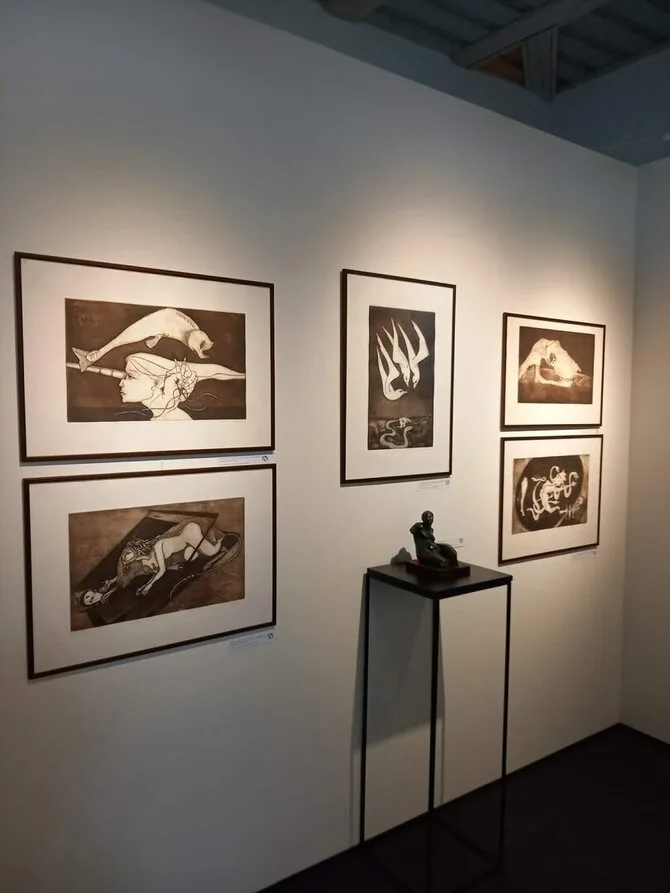
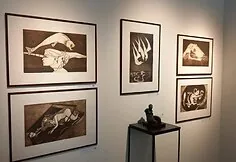
The anniversary events will continue on July 30 with the opening of an exhibition about Montague Burton’s life and his connection to his hometown at the Kurkliai synagogue. Visitors will also be able to see a “Burton” brand jacket preserved by the Lithuanian National Museum – a symbolic exhibit reminding of a world-scale story that began in the Anykščiai region.
Historical photographs from the Leeds Industrial Museum – Leeds Museums and Galleries, fabric samples, and other elements complementing the story will also be exhibited. The exhibition will be open from July 30 to September 13 on the second floor of the synagogue.
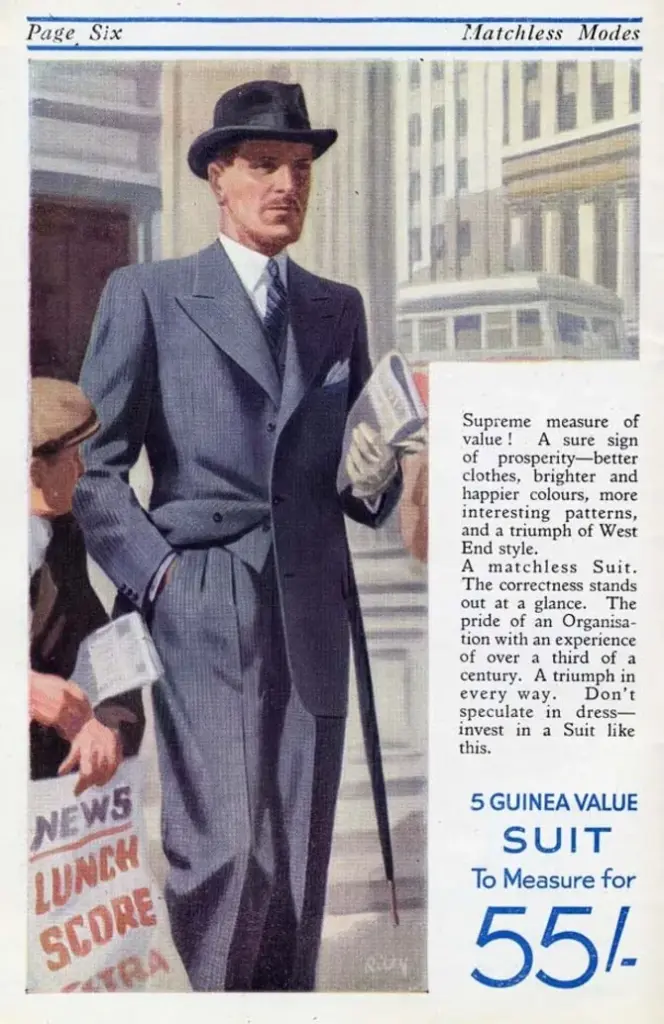
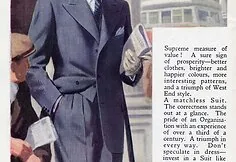
In 1931, Montague Burton was awarded the title of Knight of Great Britain for his contributions to industry, and during World War II, “Burton” factories sewed uniforms for the British army. However, his most important legacy is considered not only the business empire but also the idea that a quality suit should be accessible to every person – not as a luxury, but as a symbol of dignity.
Community – Kurkliai’s Greatest Asset
Today, Kurkliai welcomes visitors with a restored wooden synagogue, St. George’s Church with a unique bell tower, a park of 28 cherry trees, the Virinta River, a fallow deer farm, and impressive cattle.
Local people cherish Kurkliai’s identity as the land of cucumbers. A story preserved in the community’s memory says that Jews were the first to start growing cucumbers here, and later this tradition was adopted by other town residents. After the war, cucumbers were widely grown and taken to markets, becoming one of Kurkliai’s symbols.
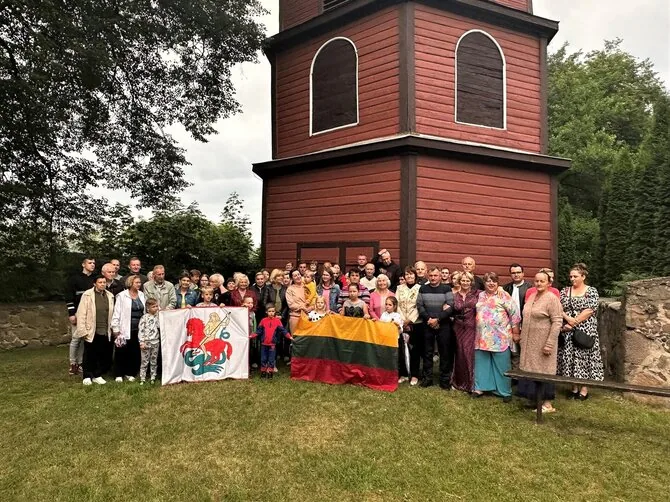
“Kurkliai have long been the land of cucumbers. Our stories say that the Jews living here grew cucumbers and taught the local people this craft. We want to preserve this tradition, so cucumbers appear in the town’s decorations, the festival program, and the refreshments. It’s a fun but meaningful part of our history,” says Elena Dedelienė.
After the war, cucumbers were widely grown and taken to markets, becoming one of Kurkliai’s symbols.
This tradition is now revived in creative forms – cucumbers are grown in straw rolls in the town, festive decorations are created, and guests of the anniversary will enjoy tastings and refreshments. For local people, this is not only a culinary highlight but also a reminder of the history of Kurkliai created together by different nations.
Read more In the police spotlight – two men who got out of an Audi with Norwegian license plates
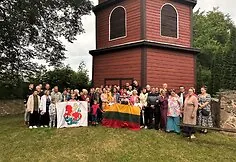
“Small towns survive as long as there are people who care. In Kurkliai, we have a strong community – it preserves history, nurtures traditions, and is not afraid to create new ones. Therefore, the 500-year anniversary is not just a date on the calendar for us. It is an opportunity to show that a small town can be lively, open, and interesting to all of Lithuania,” says Algimantas Jurkus, elder of Kurkliai.
The First A. Mamontovas and A. Lukošius Discotheques – in Kurkliai
Arnoldas Lukošius, a musician, journalist, and public figure born in Kurkliai, still maintains a special connection with his hometown. Although his family moved away from Kurkliai during his childhood, it was here that his first memories of music, community, and culture were formed.
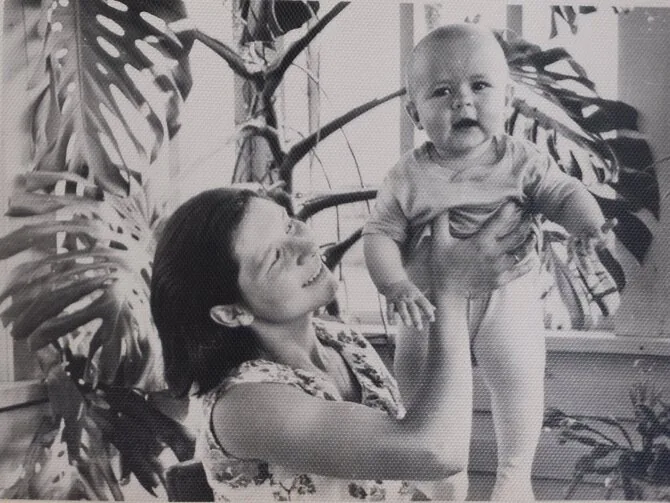
In A. Lukošius’s childhood memories, Kurkliai are the cultural center, the town community, winter entertainments, and the first steps into event organization. According to him, such seemingly simple experiences shape a person no less than the life path chosen later.
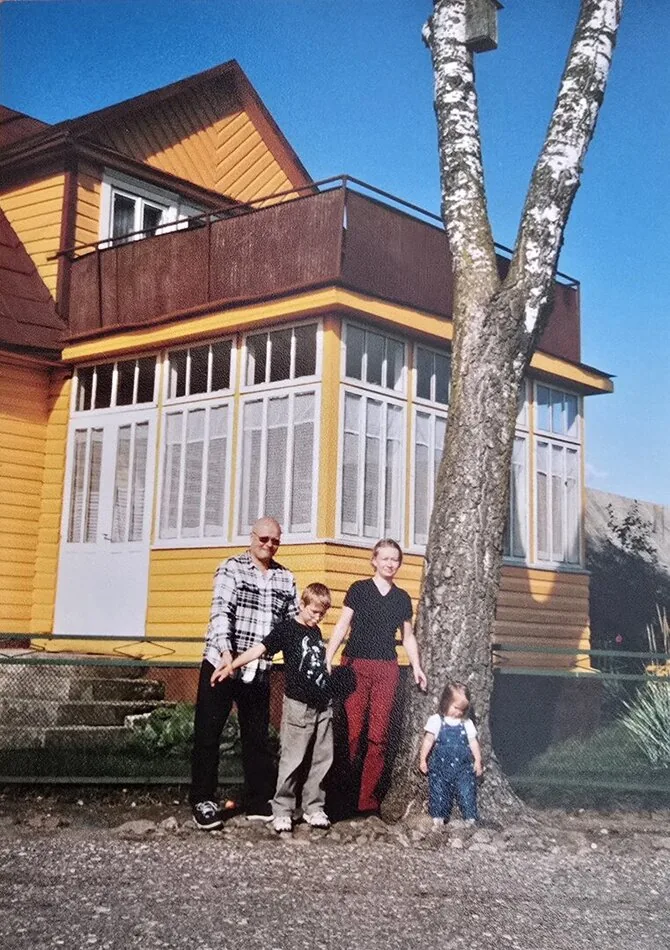
One of the most vivid memories is the Kurkliai cultural center, where as a teenager, together with his friend Andrius Mamontovas, he organized one of the first discotheques. At that time, no one could have guessed that both would later become some of the most well-known figures in Lithuania’s music world.
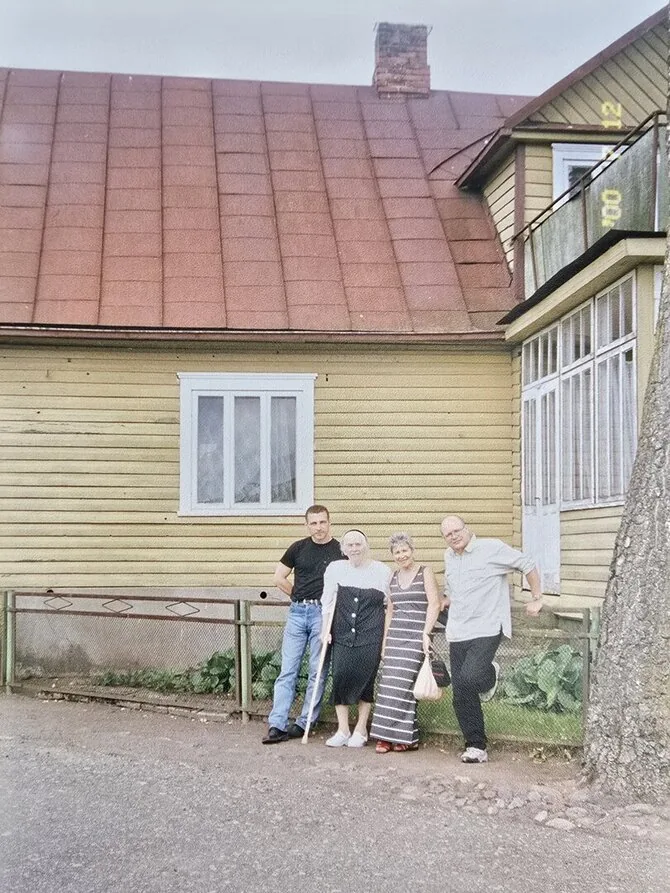
“Childhood places stay with a person for life. Even if you leave, they shape you. I remember the cultural center, the town’s people, cucumber fields, and the first discotheques that I organized with my friend Andrius Mamontovas in Kurkliai. These were our first attempts to create events and bring people together. I would very much like Kurkliai to remain alive, not lose its identity, and always have a reason for people born here to return,” says A. Lukošius.
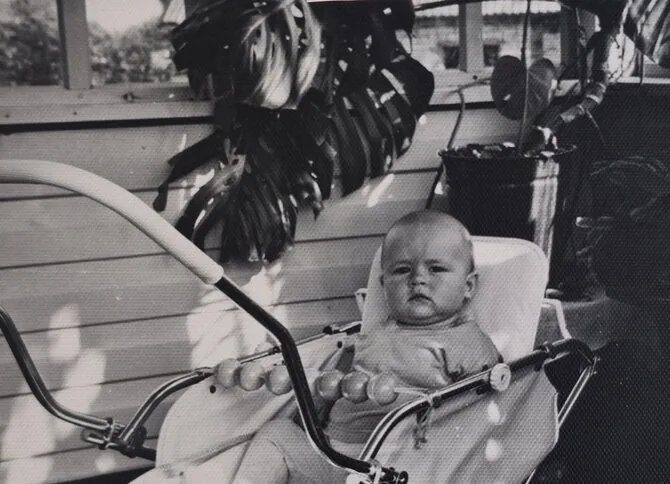
Invitation to the 500-Year Celebration
The Kurkliai 500-year anniversary on July 19 will invite not only to remember history but to experience it. Visitors will enjoy festive mass, unveiling of a new sculpture, concerts, educational activities, exhibitions, traditional cucumber tastings, historical displays, community activities, and many other events.
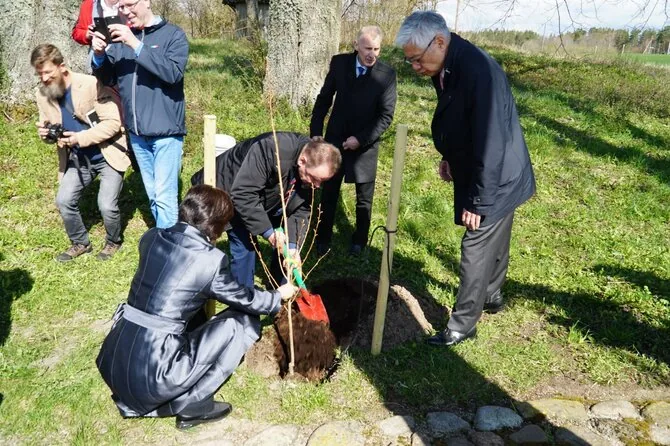
Guests from abroad will also attend the anniversary celebration – a delegation from Japan is expected to join the town’s anniversary commemoration. Performers on the festival stage will include Edmundas Kučinskas, the groups “Patruliai,” “Tautinis brandas,” and others.
Edmundas Kučinskas himself invites everyone to bring good spirits to the celebration.
“I would like to wish people to give in less to negativity and look at life more optimistically. Much starts with ourselves – with the ability to notice simple things and enjoy them. Such celebrations provide an opportunity to meet, be together, and remember that joy can be found even in the smallest towns in Lithuania,” says the performer.
Cultural events in Kurkliai will not end after the anniversary. On July 23, at the Kurkliai eldership, in the “Toli” theater homestead, the premiere of the night performance – journey “Pačios” will take place. The performance is based on true stories of women from the Anykščiai region, mostly from the Kurkliai eldership, and will mark not only the beginning of the “Toli” theater’s creative path but also be part of the program “Kurkliai – Lithuania’s Small Cultural Capital.” Viewers are invited not only to the performance but also to a unique experience – an evening by the campfire and an overnight stay in nature.
And already from July 25–27, Anykščiai will invite to the city festival “Under This Roof” – one of the largest summer events in Aukštaitija, where visitors will enjoy concerts, cultural, art, and community initiatives. Thus, the Anykščiai region invites you to travel all July from the Kurkliai anniversary to the Anykščiai festival that unites the whole city.
More information about ongoing events can be found on the Anykščiai Tourism and Business Information Center website. View here.