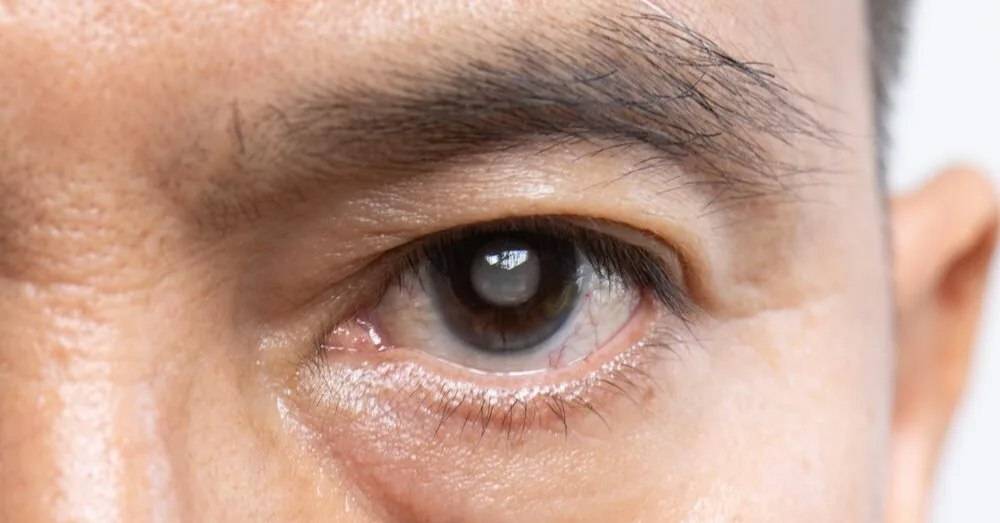
“Craniopharyngioma – a rare brain tumor growing in a very sensitive brain area, near the optic nerves and centers responsible for hormone activity. Due to its location, the tumor can disrupt vision, hormone function, and even pose a life threat. In Roko’s case, the tumor was particularly large and pressed on vital brain areas, causing his condition to rapidly deteriorate,” says Prof. Dr. Vytenis Pranas Deltuva, head of the Neurosurgery Clinic’s Brain Surgery Department and Rare Neurosurgical Diseases Center, according to a press release.
Read more Thailand followed in Bali’s footsteps: drove out the Russian village
According to the professor, due to the high risk of complications, it was decided to forgo radical surgery. “In such situations, it is important not only to stop the disease but also to preserve the patient’s vision and quality of life. That was precisely our main goal,” explains Prof. Dr. V.P. Deltuva.
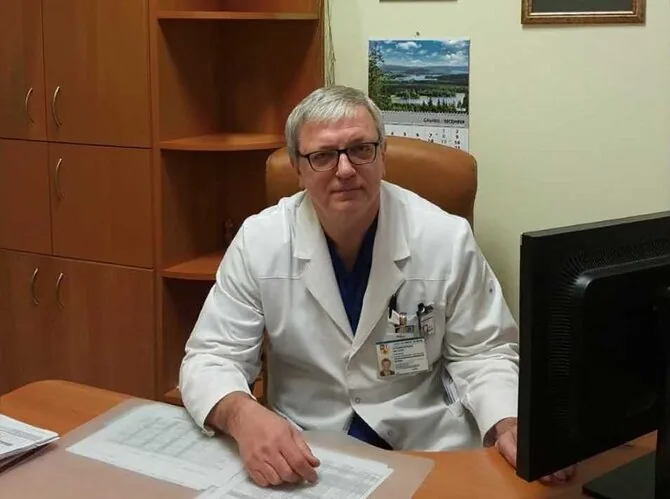
The path to diagnosis began much earlier. Roko’s ophthalmologist from the Eye Diseases Clinic, Irena Bušauskienė, who has been consulting him since childhood, was the first specialist to suspect that the cause of vision problems lay not in the eyes.
“I have been monitoring Roko since childhood. When he came for a consultation again, he said the world had become dim. An MRI scan revealed the true cause – a large tumor pressing on the optic nerves. Untreated, the disease could have led to complete vision loss. Therefore, seeing him today studying and living a normal life is a great joy,” says ophthalmologist I. Bušauskienė.
After evaluating all treatment options, doctors decided on a two-stage treatment. In February 2023, neurosurgeon Šarūnas Tamašauskas from the Neurosurgery Clinic removed about 70% of the fluid accumulated in the tumor through a small opening in the skull. This reduced pressure on the optic nerves and other important brain areas.
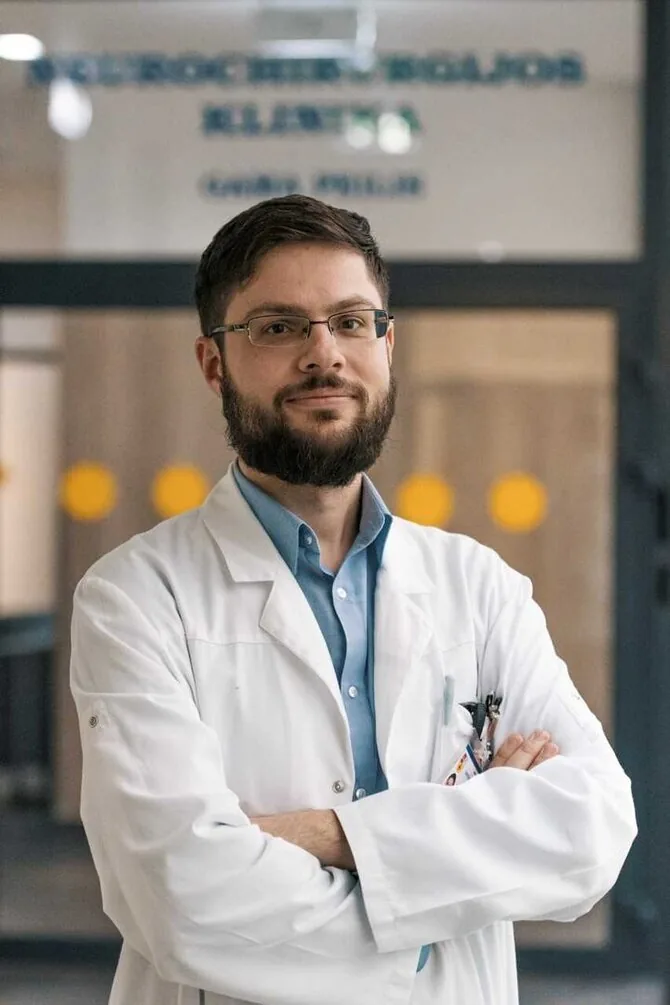
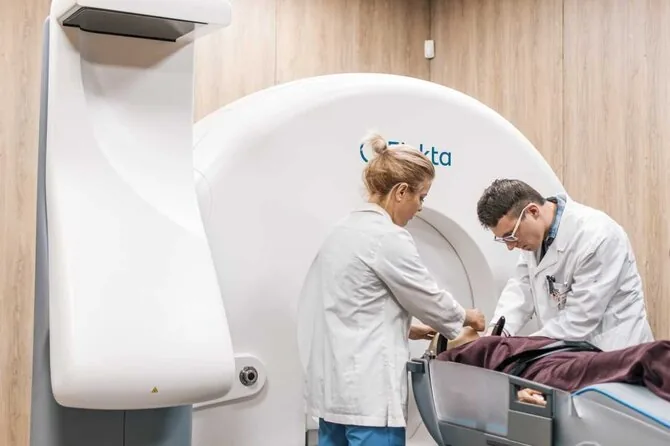
“Soon after the surgery, the patient began to see more clearly,” says neurosurgeon Šarūnas Tamašauskas. A few days later, Roko underwent radiosurgical treatment with the Gamma Knife. This highly precise radiation technology allows targeting the tumor without damaging surrounding brain structures.
Read more Kaunas Municipality plans to allocate 1.13 million euros for publicity services over three years
“The Gamma Knife allows very precise targeting of the tumor without damaging nearby sensitive brain areas. The patient does not require open surgery, so the risk of complications is much lower. In cases like Roko’s, this was the safest and most appropriate solution,” says neurosurgeon Šarūnas Tamašauskas.
After treatment, specialists continue to monitor Roko. The main treatment goals have been achieved – tumor growth has stopped, vision has recovered, and only a small part of the tumor remains after several years.
“In my practice, this is the first case of craniopharyngioma where the patient’s vision fully recovered after treatment. This is an exceptional story – Roko could barely distinguish colors and saw only from a few meters away, and today he lives a full life and studies,” says ophthalmologist I. Bušauskienė.
Roko’s mother admits that the hardest part for the family was hearing the diagnosis and waiting for treatment decisions: “The days when we learned the diagnosis and waited for treatment we will never forget. That same evening after the surgery, Roko was already able to read the instructions hanging on the ward wall. At that moment, we realized we were on the right path. Today he lives a full life, and for us, that is the greatest miracle. We are immensely grateful to the doctors for their professionalism and care. No less of a miracle for us was that such treatment with the Gamma Knife was available.”
Roko’s story is one example of how the Gamma Knife helps treat complex brain diseases. The first Gamma Knife center in the Baltic states opened in 2019. This technology allows highly precise treatment of complex brain tumors, preserving important body functions and helping to avoid severe disease consequences. Since the center’s opening, more than 2000 patients have been treated there. Patients treated with the Gamma Knife include those with brain tumors, cerebrovascular disorders, facial pain, or Parkinson’s disease.
Read more The weekend will both delight and frighten: yellow warnings for half of Lithuania