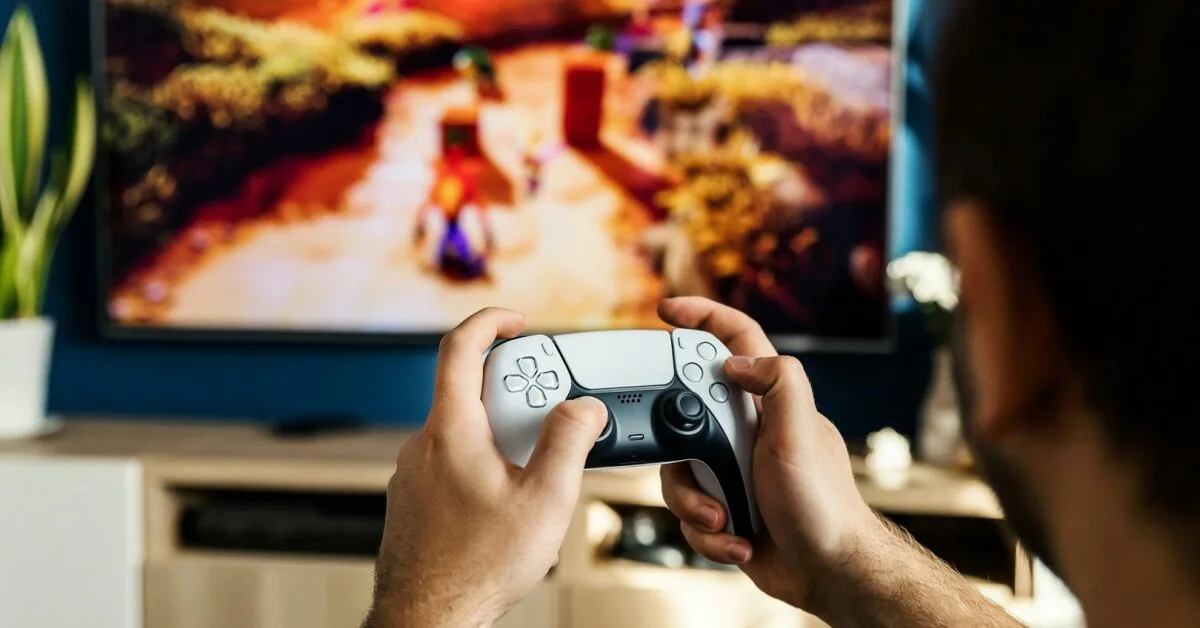
According to psychotherapist Dainius Jakučionis, the need to play does not disappear in adulthood – not all adults simply allow themselves to express it, according to a press release.
Read more European journey continues: Dinamo – Žalgiris
“Playfulness is one of the emotional needs. If an adult does not have the opportunity to express it elsewhere, they can choose games. In childhood, the desire to pretend to be a hero, doctor, or astronaut is a way to get to know oneself and learn social situations. Play helps to learn behavior, social skills, and emotional regulation. Meanwhile, adults more often choose games to relax and rest after intense mental activity,” says D. Jakučionis.
We lose 10 times, but we still try again
According to D. Jakučionis, playing provides adults not only with an opportunity to rest. It quite easily satisfies three important psychological needs – competence, autonomy, and connection with others.
“Playing helps reduce stress because it is often designed so that a person quickly enters a state of flow – the player’s skills match the complexity of the task. By playing, we can also experience competence, autonomy, and relatedness to others. All of this is achieved quite easily in a game,” explains the psychotherapist.
According to him, for a child, play primarily allows them to try on various roles and possible ‘selves,’ while an adult’s connection with a virtual character may be more related to what they would like to become.
“Adults become most emotionally engaged when their ideal ‘self’ in the game matches their desired ‘self.’ The greater the disconnect in reality from that ideal self, the stronger the engagement in the game can be,” says D. Jakučionis.
Moreover, in real life, failure can significantly reduce motivation for a long time, but in a game, we often repeat the same task many times. According to the interviewee, the most important thing is that in the virtual world, we usually clearly understand why we failed and what we can change.
“Game researcher Jesper Juul, in his book ‘The Art of Failure,’ mentions the paradox of failure – failure itself in a game encourages players to return to it. In a game, failure is clear, and the result can be controlled: press a button faster, learn the opponent’s behavior, or understand their moves. In reality, not everything is so controllable. Usually, the causes of failure are abstract and unclear, leading to greater disappointment,” he states.
According to D. Jakučionis, playing also provides quick feedback, which is often lacking in everyday life.
“Games are designed to provide quick feedback and help the player understand what they did wrong. The difficulty level usually rises with competencies, so after a few failures, success comes, and satisfaction is gained. In reality, there is no such clear control over results – after experiencing a few failures, it is not necessarily clear what to do next to succeed,” says the psychotherapist.
According to him, this is precisely why in a game, a person can feel like someone who is capable of acting, learning, and changing the situation.
“The desire to be a hero is universal – it is the need to feel competence and one’s impact on the world. In reality, we want the same, but we don’t always have the opportunities to feel and experience it, so play provides a space for that,” adds D. Jakučionis.
Each of us has heroic qualities
According to Professor, clinical psychologist Aistė Diržytė, hero stories have accompanied humanity since the oldest myths and fairy tales not by chance. A hero reflects a person’s desire to overcome difficulties, achieve results, and help those who need assistance.
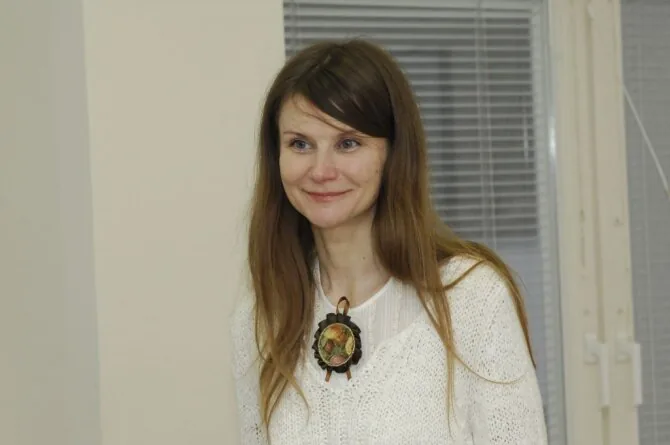
“We need heroes because they reflect what is in each of us – the desire to overcome challenges, solve something, achieve a result, and ultimately – simply give other people our time, courage, endurance, and compassion. Even in our biological nature, there is a desire to care for and protect those who are weaker and need help. Heroes precisely implement this,” says A. Diržytė.
According to the psychologist, heroism does not necessarily mean saving the world or a huge, universally noticed feat. A hero’s qualities are also revealed in daily actions that require responsibility, care, and compassion.
Read more NATO intends to modernize its fuel supply network in Europe
“Perhaps we don’t think about it, but there is a hero in each of us, or the desire to be one. When you give your time to others, when you strive for the well-being of your loved ones, when you compassionately care for the needs of others – you are heroes. You perform feats. It is useful to ask yourself what feats you perform every day, what feats you would like to perform, and what would be the great feat of my life,” ponders the professor.
According to A. Diržytė, for this reason, games should not be automatically considered an escape from reality. The virtual world is one of the spaces where a person spends their time, experiences emotions, and gets to know themselves better.
“It is spending time in one of the forms of reality – if we are talking about digital games, in virtual reality. After all, what is reality? It is our life. Reality is not just fulfilling obligations, living according to others’ wishes or requirements – our leisure time is also part of reality,” she explains.
According to the psychologist, the virtual world can become a kind of identity laboratory where a person more safely tries out decisions and behaviors that they do not always dare to in everyday life.
“Virtual reality, like physical or social reality, can be an excellent identity laboratory. It is a space to get to know oneself, one’s needs, and to realize how much they are satisfied. By playing, we can better prepare for real life, better understand what is important to us and how important it is. We can try out various versions of ourselves, feel safe making bold decisions and choosing independently,” says A. Diržytė.
It is important for the player to create their own story
According to Ada Mockutė-Jaime, Marketing Manager at game development company ‘Nordcurrent,’ today, creators aim not only to present tasks or challenges to players. It is important to create a world where the player feels not like a passive observer, but a participant in the story, able to make choices and see the results of their decisions.
“When creating a game, we think not only about what the player will have to do. It is no less important how they will feel at that moment, what decisions they will be able to make, and whether they will feel that their choices matter. A game becomes interesting when a person not only performs tasks but also contributes to creating their own experience,” says A. Mockutė-Jaime.
According to her, the possibilities of choice in games are important because different people seek different experiences in them. Some are most concerned with winning and improving skills, others with immersing themselves in the narrative.
“There is no single right way to play. For one person, the most important thing is to achieve a result and overcome a difficult task; for another, it is to follow a story; and for yet another, it is to create, choose, and express themselves. Therefore, we strive to give the player enough freedom so that they can find a play style that suits them, rather than being led along one predetermined path,” says the marketing manager.
The avatar also becomes part of the story created by the player, which, according to A. Mockutė-Jaime, can reflect a person’s personality.
“The more time a player spends with their character and the more challenges they overcome together, the stronger the emotional connection can become. Therefore, the desire to choose an avatar’s appearance, clothes, or accessories is not just a desire to decorate it. It is an opportunity to create your hero’s identity and decide what story they will tell,” explains the company representative.
According to the marketing manager, for this reason, it is important for game developers to offer choices without imposing one ‘correct’ version of the hero on the person.
“The player must feel that the hero belongs to their story. We can create the world, its rules, challenges, and opportunities, but the person creates the ultimate experience themselves – through their decisions, chosen play style, and the character they want to see on screen. Perhaps that’s why we return to games: in them, we can not only observe a hero’s story but also become one ourselves, at least for a short time,” concludes A. Mockutė-Jaime.