









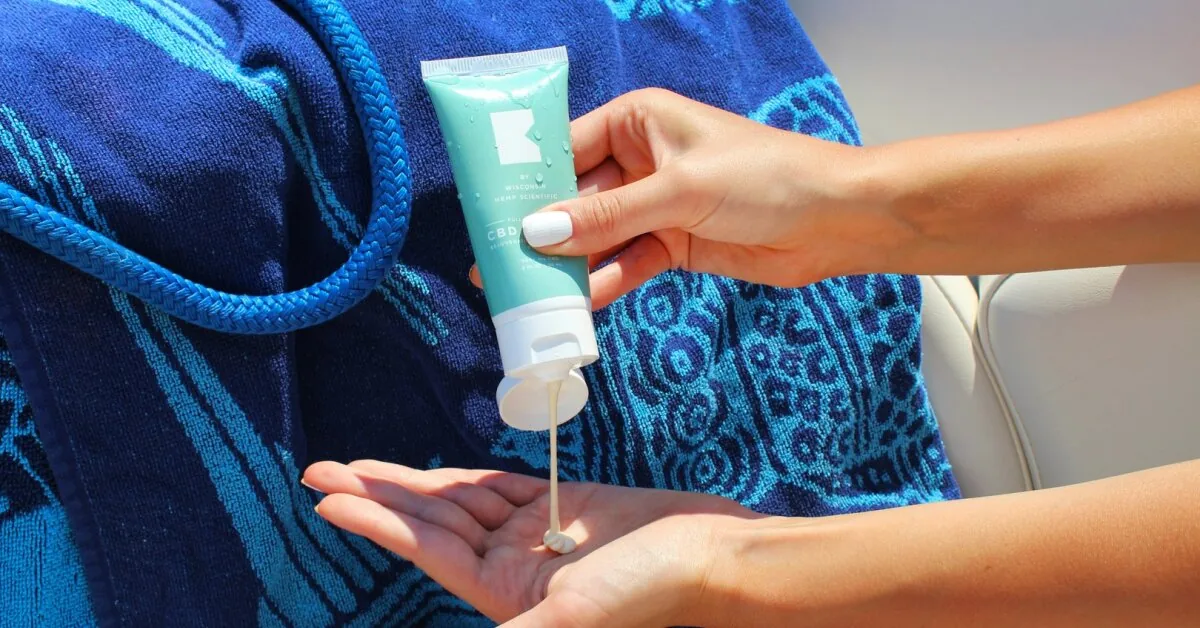
Pharmacist Gabija Nienė from “Eurovaistinės” highlights the most common skin care mistakes and advises how to avoid them.
Mistake – Using SPF only outdoors
In the public space, there is often talk about using sun protection products with SPF filters, but there are still those who think that these products only need to be used during the summer season.
“UV radiation affects the skin every day – on sunny and cloudy days, while driving a car, and just walking in the city. The cumulative effect of UV rays is one of the main reasons why the skin ages prematurely, pigmentation spots appear, and over time the risk of skin diseases increases,” explains pharmacist G. Nienė.
The pharmacist notes that sun protection is also necessary indoors. Although many think that sunscreen is only needed when outside, it is important to know that UVB rays are long-wave rays that penetrate even through window glass.
“Even sitting by a window in the office, at home, or driving a car, our skin is still exposed to harmful sun radiation, regardless of weather conditions. The effect of UVA rays is not immediately noticeable; the damage caused by this radiation accumulates unnoticed, year after year, which can eventually lead to pigment spots on the skin.
For these reasons, we recommend using sun protection daily, whether you spend most of the day at the beach or in the office,” adds G. Nienė.

Too frequent skin cleansing with acids
There are cases when people with oily or combination skin, wanting to get rid of skin shine, acne, or fine wrinkles, cleanse their skin too often with acidic exfoliants or use other inappropriate products.
“Strong concentration, too frequently used acidic skin exfoliants (AHA, BHA acids) can damage the skin barrier, making the skin more sensitive, easily irritated; paradoxically, in this case, the skin starts producing even more oil to compensate for the lack of moisture.
It is important to remember that acidic exfoliants are recommended to be used 1–3 times a week, depending on the type of acid and skin sensitivity – once a week is enough for sensitive skin, while 2–3 times is suitable for more resilient and accustomed skin.
Read more Leaked letter from Infantino’s associate to employees: «We are all thrown into chaos»
When starting a new product, it is worth choosing the lowest frequency and gradually increasing it while observing the skin’s reaction,” explains G. Nienė.
According to the pharmacist from “Eurovaistinės,” acidic exfoliants should be used in the evening because after cleansing with these products, the skin becomes more sensitive to UV radiation, and the next day after the exfoliation procedure, it is important not to forget sun protection products with an SPF filter of at least 50.

Using different products at the same time
When choosing skin care products with active ingredients, it is also important to know not only their usage frequency but also their compatibility with other skin care products in your routine.
Combining skin care products is one of the most relevant questions; for example, when choosing retinol and AHA/BHA acids, it is important to know that both products promote skin renewal, so using them together greatly increases the risk of irritation, redness, and skin peeling.
It is recommended to use these products on different days or one in the morning and the other in the evening.
The pharmacist notes that the combination of vitamin C and retinol often raises many questions, but these active ingredients should not be avoided solely because of their different pH levels.
“Using the mentioned products one after another can increase the risk of irritation and redness, especially for those with sensitive skin. For these reasons, it is recommended to use vitamin C serums in the morning, as at this time of day, the products help protect the skin from free radicals and environmental effects, and retinol products in the evening, when they promote skin renewal processes and collagen synthesis.
Using vitamin C and AHA/BHA acids at the same time can also irritate the skin, so if you want to use both products, it is better to do so at different times of the day,” notes G. Nienė.
Using expired products
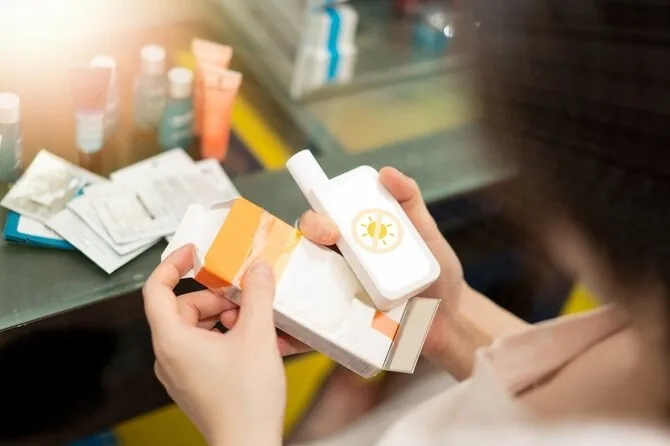
The pharmacist reminds that most cosmetic products usually last from 6 to 12 months from the start of use; this period can be shortened if the products are stored under inappropriate conditions, for example, in heat or in places exposed to direct sunlight.
“Products stored in unsuitable places lose their active properties and can become a perfect breeding ground for various bacteria, negatively affecting our skin,” adds G. Nienė.
Read more Channel ship caught fire: nearly 160 migrants rescued