









The inspections were part of the first European Union-wide Aviation Sector Action Week held from September 8 to 13. Their aim was to assess compliance with labor law requirements in the highly mobile and cross-border aviation sector.
Read more „Bigbank“ lends 20 million euros for the „Kenova“ housing project „Neries pakopa“
“In the aviation sector, employment relationships often cross national borders – an employee may be hired in one country, work in several countries, and the activity is organized using different employment or service provision models. In such cases, the information held by the authorities of one country is not always sufficient to assess the entire situation. Therefore, direct cooperation between authorities and joint inspections are particularly important,” says Justas Valaskevičius, Senior Advisor-Chief Labor Inspector of the Illegal Activity Supervision Division of the State Labor Inspectorate (VDI).
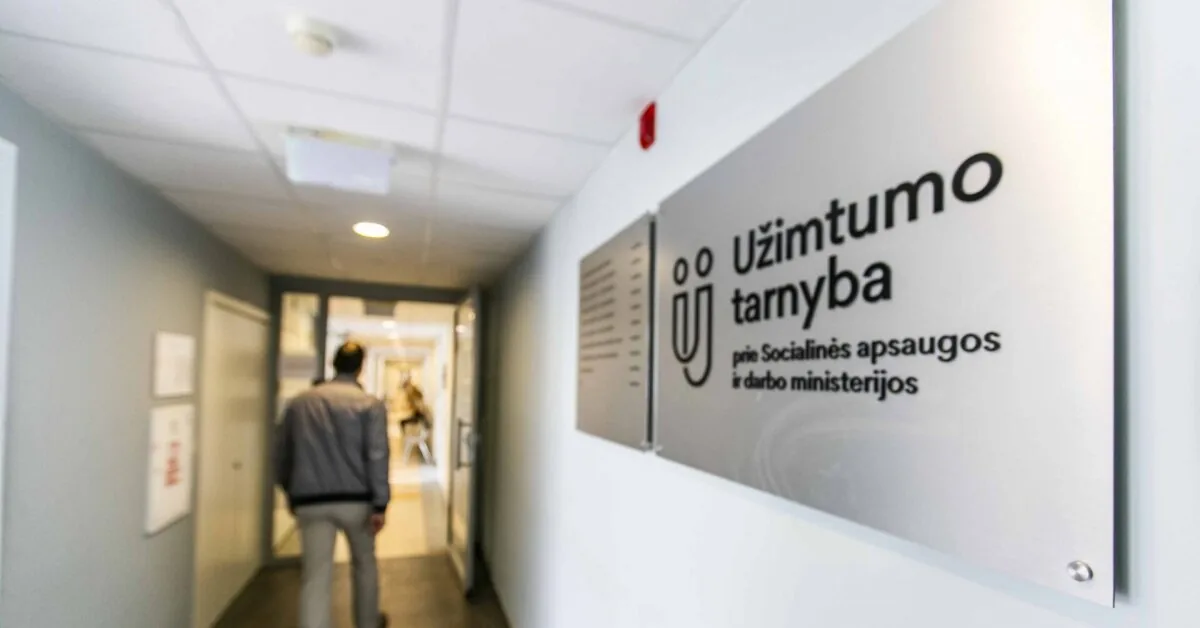
On September 9, German officials inspected aircraft of two Lithuanian air carriers at Hamburg Airport and interviewed flight crew members about their employment relationships and working conditions. On September 10, inspections took place in Vilnius – TBC representatives together with German officials conducted inspections at the air carriers’ premises.
Focus on complex cross-border employment relationships
During the inspections, special attention was paid to employee secondment, subcontracting relationships, including wet lease agreements, as well as the employment of flight crew members through intermediary or temporary employment agencies.
Using the wet lease model, the air carrier rents an aircraft together with the crew, and this operational model is used in aviation, among other things, to meet seasonal or increased flight demand. The model itself is legal, but cross-border employment relationships and complex employment chains can complicate the authorities’ ability to determine which labor and social protection rules should apply in a specific case.
“The purpose of the control is not to evaluate the chosen business model itself – the most important thing is to determine whether employees’ rights are properly ensured and legal requirements are followed when applying it,” emphasizes J. Valaskevičius. “The more complex the employment chain and the more countries it involves, the more important it is for authorities to see not just a single fragment but the whole situation.”
Read more Poland scrambled fighter jets early in the morning
Joint actions – a response to challenges relevant to all of Europe
Strengthening control in the aviation sector is also linked to the conclusions of a report prepared by ELA on labor mobility and the application of social protection coordination rules for flight crew members. The report highlights complex cross-border employment models, fragmented supervision, and the importance of cooperation and timely information exchange between authorities.
ELA recommends strengthening the competencies of national authorities, cross-border information exchange, and coordinated control actions. The joint inspections by Lithuania and Germany were planned during an ELA event held in summer, where EU member state authorities discussed cooperation opportunities in the aviation sector. During the action week, ELA provided operational, analytical, and organizational support.
Coordinated inspections took place simultaneously in other European countries. According to data published by German customs, 13 flights and related company documents were inspected in Germany, and individuals were interviewed about their employment relationships. German authorities indicate that initial actions revealed signs that may indicate cases of fictitious self-employment, illegal temporary employment, and possible violations of minimum wage requirements.
“Such operations allow not only to carry out specific control actions but also to practically exchange information and experience accumulated by authorities of different countries. In aviation, where employment relationships are highly mobile due to the nature of the sector itself, effective supervision increasingly depends on how quickly and closely authorities from different countries can cooperate,” notes J. Valaskevičius.
After initial inspection actions in Lithuania, TBC will continue evaluating the collected material and investigations according to the authorities’ competence. Final results of the inspections conducted in Lithuania will be available after the evaluation of the collected information is completed.
Read more When a partner wants to know too much: digital control in relationships