









It would not be accurate to say that one specific “superfood” can reduce the likelihood of developing cancer. However, what we eat can be a powerful tool in maintaining overall health. And this can indeed affect the risk of oncological diseases.
Read more Armenian elections will be a test for the country’s turn to the West
Curious what an oncologist eats for breakfast every day to strengthen her protection against cancer?
The website “EatingWell” contacted Tingting Tan, a medical oncologist and hematologist from California, on this matter.
She recommends starting the day with a breakfast rich in whole grains, fruits, and nuts, which are associated with a lower incidence of various types of cancer.
How this breakfast can help prevent cancer
Genetics, age, and family history play a prominent role in cancer risk, but lifestyle habits, such as food choices, can also have an impact.
“Diet is an important factor in cancer prevention, and it is a factor we can control, unlike our family history,” says T. Tan.
Researchers have found that a diet low in nutrient-rich foods (including fruits, vegetables, whole grains, and nuts) is one of the risk factors for cancer development.
While there is no single food that can prevent cancer, foods like fruits, nuts, and whole grains are packed with nutrients that can have a protective effect against cancer and reduce the risk of cell damage.
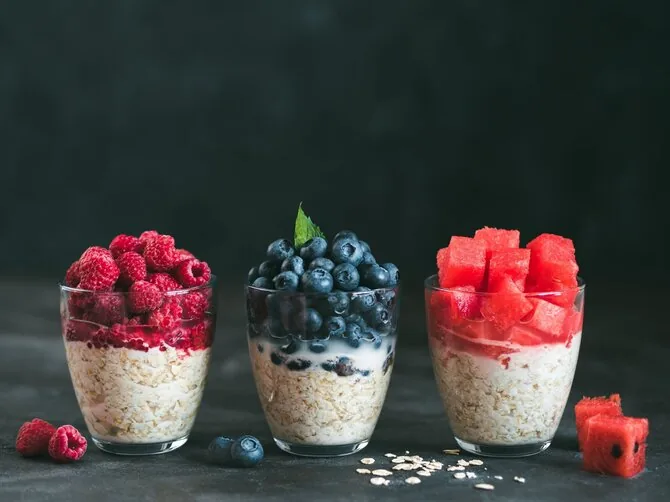
To reap all these benefits, oncologist T. Tan herself chooses oatmeal with nuts and berries for breakfast every day.
Whole Grain Products
“Whole grain products, such as oats, are considered cancer-fighting foods because they contain phytoestrogens, antioxidants, and fiber, which can help reduce cancer risk,” says T. Tan.
Oats also contain a good amount of fiber, which can be beneficial for gut health. Some studies show that higher fiber intake is associated with a lower risk of colorectal cancer.
“One reason may be that they support a healthy gut microbiome, which can help prevent cancer,” says the oncologist.
Berries
“Foods containing phytochemicals – compounds found in vegetables, fruits, beans, and nuts – can slow the growth of cancer cells,” asserts T. Tan.
“Components found in berries have also been shown to reduce the growth of precancerous cells,” she adds. This makes these antioxidant “powerhouses” a favorite addition to the doctor’s oatmeal.
Nuts
In addition to giving oatmeal a pleasant, crunchy texture, nuts like pecans or almonds complement these quick and easy breakfasts because they contain healthy fats, fiber, and plant-based proteins.

More detailed research is needed, but findings from a 2021 review suggest that higher nut consumption may be associated with a reduced risk of colorectal cancer and lower cancer mortality.
Almonds, pecans, and many other nuts contain natural compounds called polyphenols, which can improve gut health. For example, a randomized controlled trial in 2018 showed that walnuts can increase the amount of good bacteria in the gut microbiome.
Nuts also have anti-inflammatory effects, and “we know that inflammation is linked to cancer development,” says T. Tan. Additionally, nuts contain antioxidant-rich compounds, such as vitamin E, which can help protect the body from cell damage over time.
5 foods that increase cancer risk
Knowing about cancer risk factors is crucial, especially when they relate to our diet.
Clinical dietitian Alyssa Tatum shares five food groups linked to cancer on the “MD Anderson Cancer Center” website.
1. Red Meat
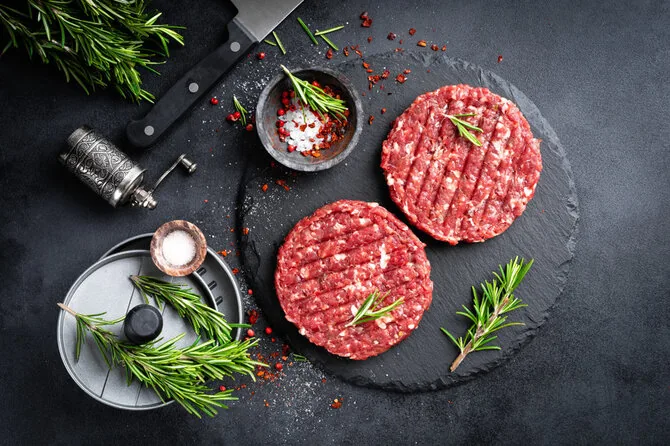
Red meat, such as beef, pork, venison, and lamb, is linked to colorectal cancer, according to A. Tatum.
However, this does not mean saying goodbye to favorite dishes like burgers forever. Instead, the dietitian encourages eating red meat less often and in smaller portions.
2. Processed Meat
Another category of meat associated with an increased risk of cancer is processed meat.
Processed meat is any meat that has been preserved or whose form and taste have been altered. This includes most deli meats, as well as hot dogs, ham, bacon, and sausages.
These products are often preserved using nitrates and nitrites, which, according to A. Tatum, can increase the risk of colorectal and stomach cancer.
3. Alcohol
According to cancer experts, alcohol is linked to an increased risk of several diseases, including stomach, colorectal, esophageal, liver, pancreatic, and breast cancer.
“Alcohol damages tissues over time, which can lead to changes in cell DNA and increase cancer risk,” says A. Tatum.
4. Ultra-Processed Foods and Beverages
Ultra-processed foods and beverages are indirectly linked to cancer risk due to their high sugar and sodium content, which can lead to weight gain and obesity.
“Eating these ultra-processed foods, which are high in calories and low in nutritional value, can increase your cancer risk because it leads to weight gain and obesity. Obesity can increase cancer risk,” states A. Tatum.

5. Foods and Beverages with Added Sugar
Products with added sugar or artificial sweeteners are indirectly linked to cancer. Similar to ultra-processed products, these sweeteners can lead to weight gain and obesity, which can increase cancer risk.
While some studies have been conducted on whether artificial sweeteners pose a direct cancer risk, A. Tatum states that the results are conflicting. Nevertheless, she recommends consuming artificial sweeteners in the same way as sugar: in moderation.
Read more „Why do you have so many children?“ Father of many children Paulius has an answer