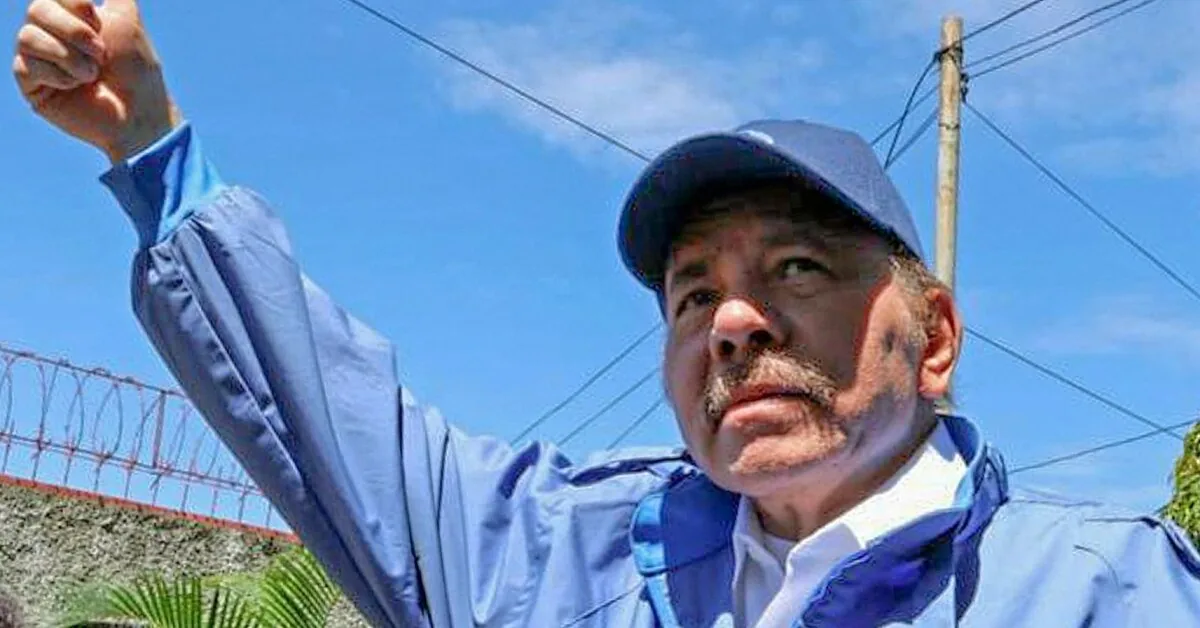
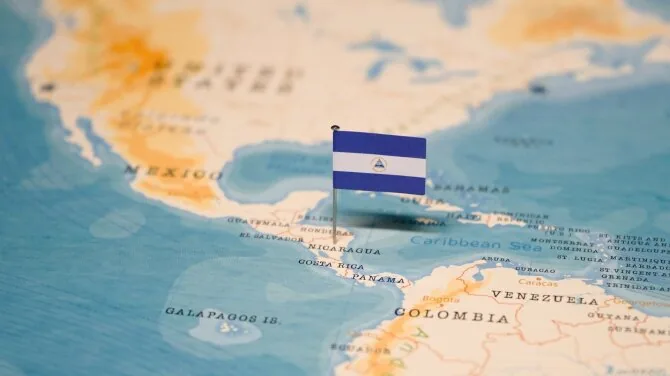
D. Ortega, who has continuously ruled the country since 2007 and previously served as president in the 1980s, explained that this step will prevent any opposition attempts. However, he did not provide details on how such a ban would be implemented.
Read more The Spanish pilot caused joy among the Argentinians, but silenced them with another sentence
“There will be no more elections here through which they could try to take over the government and seize power,” Ortega said in a speech on Sunday evening dedicated to the 1979 Sandinista revolution anniversary, during which D. Ortega helped overthrow the US-backed Anastasio Somoza dictatorship.
“The times when parties supported by the ‘Yankees’ and Somocistas returned to power are over – never again,” emphasized the 80-year-old head of state, appearing in public for the first time in two months.
Previously, the Donald Trump administration described D. Ortega’s government as a dictatorship and imposed sanctions on more than 2,350 Nicaraguan officials and their relatives.
The last elections in Nicaragua in 2021 were highly contested after D. Ortega detained opponents and business leaders and criminalized dissenting activities.
Last year, D. Ortega further strengthened his power by implementing a series of constitutional reforms, including appointing his wife Rosario Murillo as “co-president” and extending the presidential term to six years.
He and his wife control practically all aspects of government operations, including the armed forces and the judicial system.
The United Nations Human Rights Council accused D. Ortega and R. Murillo’s government of turning the country into an “authoritarian state” and systematically violating human rights.
In 2018, D. Ortega responded to widespread anti-government protests with repression, during which more than 300 people were killed.
Analysts and opposition politicians living in exile said this statement clearly revealed the reality of two-person rule ensured by the Ortega couple, while also showing the couple’s concern that the opposition movement would gain ground.
“Ortega and Murillo are clearly afraid of the idea that the slightest political openness could allow disagreements to emerge and threaten their power,” assessed Tiziano Breda, senior analyst at the organization Armed Conflict Location & Event Data, which monitors political violence, to Reuters.
“Instead of holding rigged elections, they decided to completely eliminate electoral competition. The country has become a full-fledged, family-run dictatorship,” he added.