Medics on duty at racing tracks draw attention to the most common reasons why doctors have to deal with rollovers on the eve of “NEO Rally Žemaitija 2026”.
Read more The Prime Minister of the Solomon Islands promises to review the security pact with China
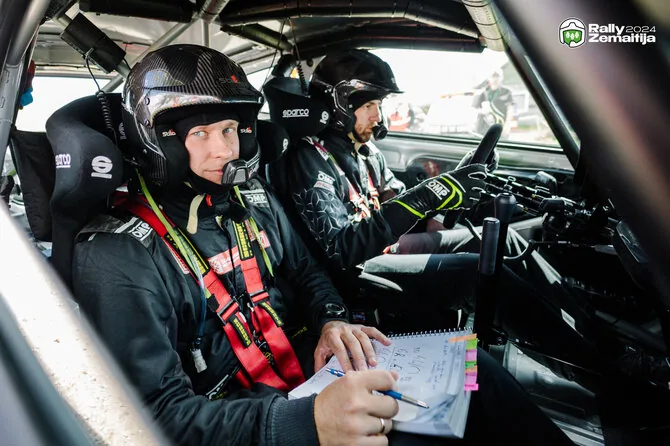
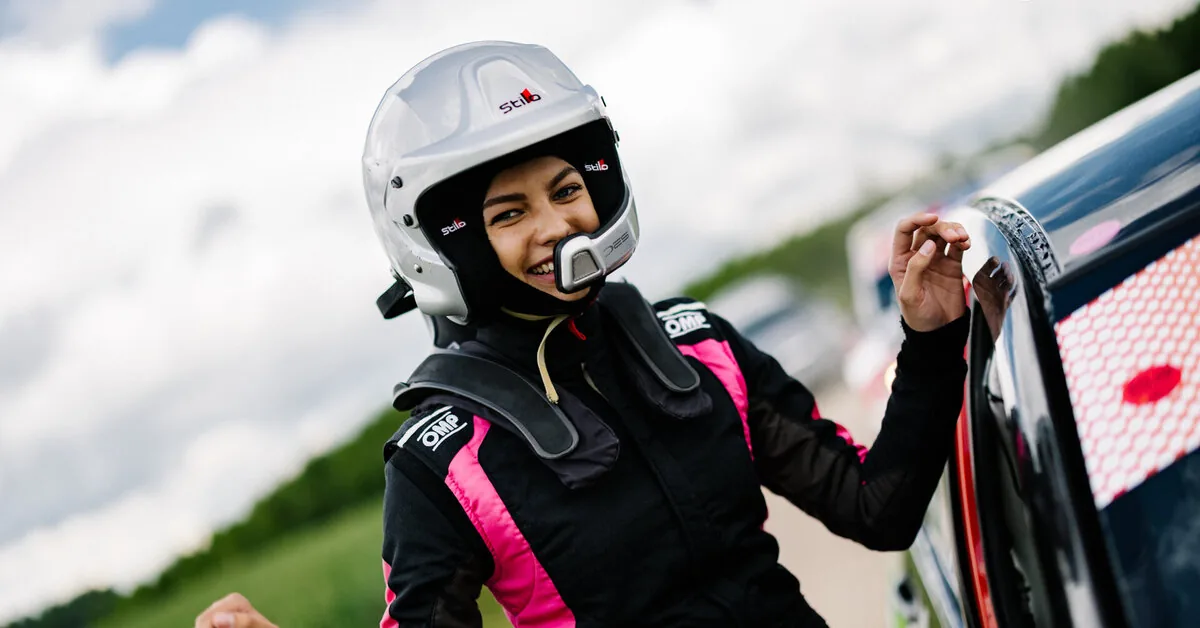
Modern rally cars have very strong safety cages, sports seats that perfectly wrap the body, 6-point safety belts, HANS systems, and helmets, so the frequency of very severe or more fatal injuries has shrunk to the size of a raisin in recent years. However, specific injuries still occur.
According to Vida Valantinaitė, the doctor and medical coordinator of “NEO Rally Žemaitija 2026”, racers most often suffer injuries to the lumbar spine, vertebral fractures, face intervertebral disc problems, or sudden neck overstretching. FIA studies show that spinal injuries have long been one of the most common problems in off-road and rally competitions. Even without accidents, many athletes complain of pain in the lower back, neck, and shoulder girdle.
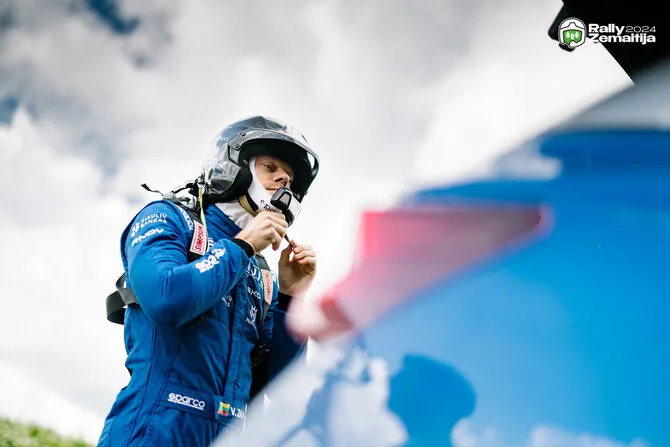
Even when helmets and HANS systems are used correctly, concussions, clavicle, or even skull fractures can occur during strong impacts (statistics show that head injuries used to be the most common cause of death during races).
Chest injuries, rib fractures, sternum damage, or lung contusions are also quite common, occurring after strong frontal impacts, collisions with trees, stones in the ditch, stumps, or ditch slopes. Pelvic and leg injuries usually occur when the impact hits the front/lower part of the car, deforming the pedal area. Less frequently, hand and wrist injuries occur due to steering wheel strikes or prolonged vibration. V. Valantinaitė emphasizes that the only way to avoid bone fractures after completely losing control of the car is to press the hands against the chest.
How to avoid the most painful injuries? Rally safety specialists and doctors unanimously agree that the most important “safeguards” are the precisely accurate geometry and tension of the safety belts. The belts should be tightened so that it is impossible to slip a finger under them. Safety belts that are not tightened enough after an impact become a cause of spinal injuries because the athlete’s body is shaken strongly in a few centimeters of space invisible to the naked eye. Even a few degrees difference in belt angles can significantly change the risk of injuries.
The same applies to the HANS system – if it is used incorrectly and not tightened enough at the shoulders, the neck receives dangerous overloads during an accident and can be severely stretched. Problems can even be caused by improper seating posture or incorrect seat angle. Attention should also be paid to where the buckle ends up when the belts are fastened: if it is at the so-called solar plexus, breathing may be impaired during impact.
However, sometimes even avoiding the mentioned mistakes, going off the road ends sadly. In 2017, during the LARC stage in Elektrėnai, the crew of Benediktas Vanagas and Agnė Vičkačkaitė, who “did not fit” into a turn, crashed into the slope of a drainage canal at about 100 km/h and rolled several times, after which the co-driver suffered a spinal injury.
“We knew the safety rules very well and followed them scrupulously, so I was tightened to the maximum at the seat. During the incident, I did not get a single bruise, which usually reveals safety belt usage mistakes. If I had, the consequences would undoubtedly have been sadder because the impact was absorbed exactly at the part of the car where I was,” Agnė recalls.
Since technical failures and mistakes – from incorrectly written or read notes, changed grip on the track surface, excessive speed – are inevitable when driving at the limit during races, before each race, the race commissioners responsible for safety check whether FIA homologated safety cages, sports seats, and 6-point safety belts are installed in the car. Each crew member must have a suitable helmet and HANS system. All “NEO Rally Žemaitija 2026” crews will have to go through these procedures. Judges in these competitions will use “Dacia” cars provided by the sponsors of the Lithuanian rally championship.
By the way, sometimes after accidents during races, athletes do not feel pain due to an adrenaline rush and claim they do not need any medical help. Having seen many incidents on the tracks, doctor V. Valantinaitė has prepared a memo (uploaded to the LASF website), reminding how to act if the condition worsens a little time after the accident.
“If you feel heaviness, headache, nausea, dizziness, flickering in the eyes when changing position from horizontal to vertical, instability, new sounds in the ears, limited and painful neck movements, aching or even sharp pain in the thoracic, lumbar, or sacral spine areas both when moving and at rest, painful chest when breathing, moving, coughing, or coughing up blood, shortness of breath even 5 days after the accident, it is recommended to go to the emergency department,” urges V. Valantinaitė.
Read more Kallas spoke about panic in the Kremlin: they do not know what to do