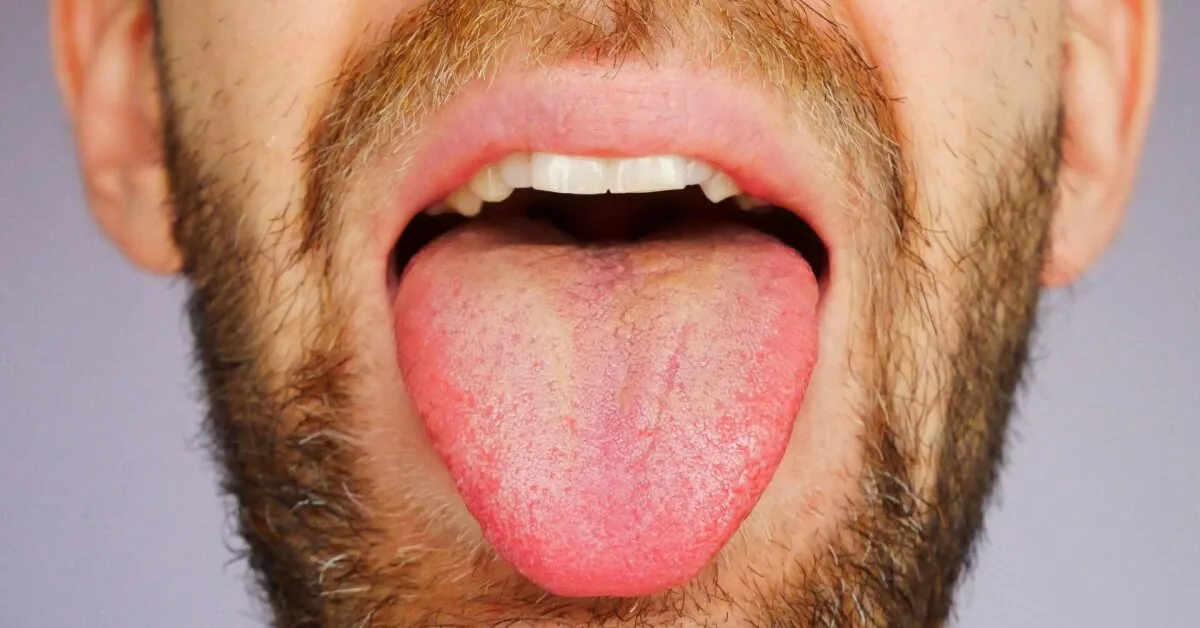
Pharmacist Agnė Mačiulskaitė explains that people most often complain about a bitter, metallic, or sour taste in the mouth, less frequently – a sweet one. Although the taste disorder itself is usually not life-threatening, if it persists for a long time, it can reduce appetite and change eating habits, according to a press release from “Gintarinė vaistinė”.
“We perceive taste when substances in the mouth activate taste receptors. This way we recognize sweet, bitter, salty, or sour tastes. When this process is disturbed, an unusual or food-unrelated taste may be felt,” explains the pharmacist.
Different tastes – different causes
A metallic taste in the mouth can arise due to medications or dietary supplements, poor oral hygiene, gum inflammation, as well as zinc or iron deficiency. Bitterness is more often associated with digestive system disorders, while a sour taste is often accompanied by heartburn.
“A bitter or sour taste may be related to gastroesophageal reflux disease, when acidic stomach contents rise into the esophagus and mouth. Such symptoms are more pronounced in some people in the morning and may be accompanied by belching, bloating, or a feeling of heaviness after eating,” says A. Mačiulskaitė.
Taste perception can also be altered by insufficient or significantly changed diet, so eating and lifestyle habits are important when assessing the symptom. Bitterness in the mouth may occur with impaired bile flow or chronic liver diseases, but it is not possible to judge organ function based solely on this sensation.
“If the skin or whites of the eyes turn yellow, pain appears in the right side, or other unusual symptoms occur, one should consult a doctor. Not only the taste in the mouth but the overall well-being of the person is assessed,” she emphasizes.
A sweet taste in the mouth is less common. If it appears without a clear cause and does not go away, the pharmacist also advises not to ignore it and to check your health.
Metallic taste – a common companion of medications
One of the most common situations in the pharmacy is when a patient starts to feel a metallic taste after beginning antibiotics. Such a side effect can be caused by metronidazole, clarithromycin, tetracycline group antibiotics, as well as some chemotherapy and blood pressure-lowering drugs, lithium preparations, especially ACE inhibitors like captopril.
“During the conversation, it often turns out that the metallic taste appeared after starting a new treatment. Usually, this is a temporary side effect that disappears after finishing the medication course. However, one should not stop prescribed treatment independently – it is first necessary to consult a doctor or pharmacist,” notes A. Mačiulskaitė.
Read more After reconstruction, IKI doors open again: nearly 0.65 million euros invested in renovation
Taste can also be altered by dietary supplements containing iron, zinc, or copper. In such cases, the sensation may disappear after stopping the supplement or choosing another pharmaceutical form, but it is worth consulting a specialist before changing the preparation.
“A metallic taste can be caused not only by zinc supplements but also by a deficiency of this trace element. If the sensation persists and is not related to medications taken, blood tests to assess zinc levels in the body should be performed,” recommends the pharmacist.
The cause may lie in the mouth
An unusual taste may be caused by gum inflammation, dry mouth, dental prostheses, or filling materials. It sometimes appears after tooth extraction, other dental procedures, or due to the toothpaste or mouthwash used.
“Taste changes can also be related to conditions such as oral lichen planus or burning mouth syndrome. Therefore, it is first worth assessing the condition of the oral cavity – regularly cleaning not only the teeth but also the tongue, caring for interdental spaces, and visiting the dentist for preventive check-ups,” advises the pharmacist.
Dry mouth can also alter taste perception, so if this sensation persists, it is important to evaluate the condition of the oral cavity.
When is it enough to wait?
Taste can temporarily change due to viral infection, stress, smell disorders, oral mucosa damage, new medication, or dietary supplement. Once the cause is removed, the sensation usually passes within a few days. However, a strange taste in the mouth should not be ignored if it lasts longer than 2–3 weeks, worsens, recurs, or appears without a clear cause.
“A pharmacist can help assess whether the taste change is related to medications, supplements, diet, or oral care. But if the symptom does not pass or is accompanied by other ailments, one should consult a family doctor for more detailed examinations,” says A. Mačiulskaitė.
Read more „Meteo LT“: a squall possible Thursday afternoon in Southern Lithuania