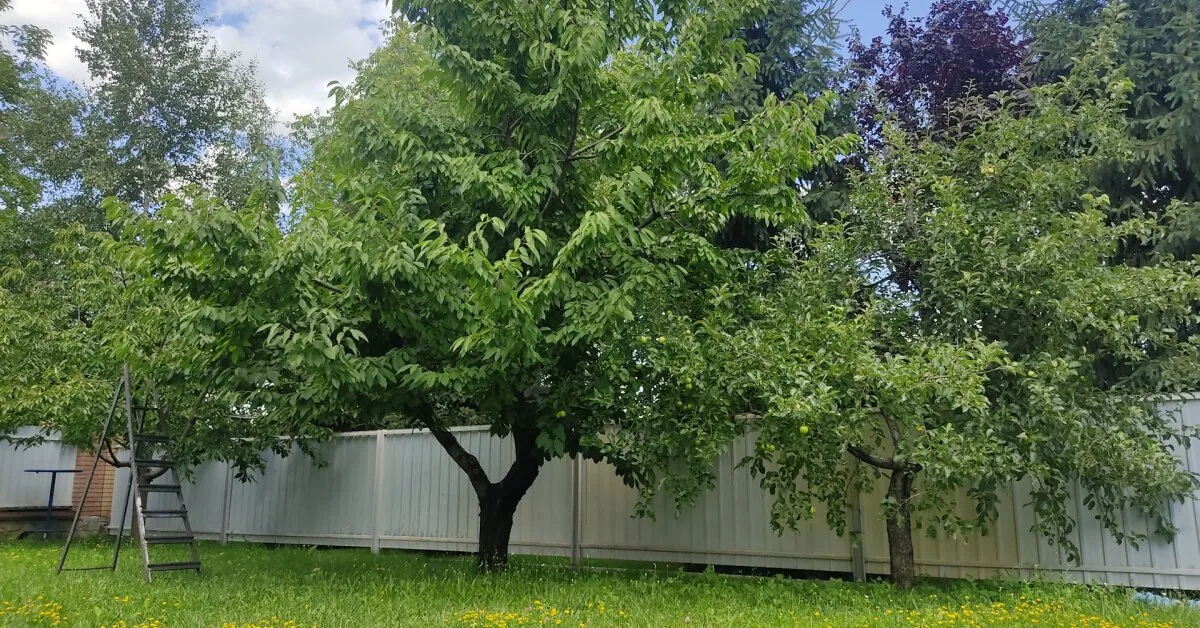
Experts emphasize that a healthy tree should be preserved, but at the same time it is necessary to ensure the safety of people and property. Tree removal should generally be a last resort when its condition can no longer be improved by other maintenance measures.
Read more «Google» AI assistant «Gemini» user count has reached one billion
It is important to know that one problem alone does not mean that the tree must be cut down. Many trees can limit the decay process and continue to grow for decades. If there are doubts about the safety of the tree, specialists recommend consulting an arborist who can assess the condition of the tree, the likelihood of it falling, and the potential danger to surrounding objects.
Diseases
Not every diseased tree needs to be removed, but some diseases can severely weaken the tree or its structure. Many diseases can be controlled if detected early, so it is important to regularly inspect trees. However, if the disease has caused severe rot, serious structural damage, irreversible deterioration, or severely damaged roots, tree removal may be the safest solution.
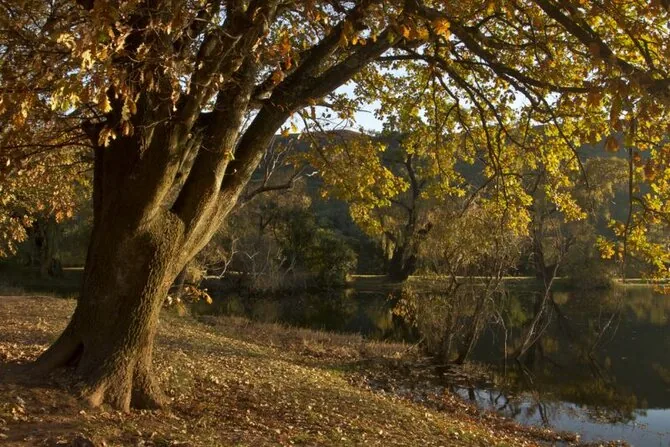
Pay attention to:
- large areas of dead branches;
- rapidly thinning canopy;
- prematurely yellowing or falling leaves;
- fungi on the trunk or at its base;
- wounds oozing liquid;
- large bark losses.
Trunk damage
The trunk is the main supporting part of the tree, so large damages to it can be dangerous.
It is especially important to pay attention to vertical cracks, trunk splits, large cavities, and severe rot. Areas where the trunk appears to be splitting into two parts can also be concerning.
It is also worth inspecting the bark. If it is peeling off the trunk in large areas or if the ground around the base of the tree is raised or cracked, this may indicate damage.
Damage after a storm
After a strong storm, heavy snow, or freezing rain, it is worth carefully inspecting the tree. Some structural damages may not be immediately visible but can later cause large branches to break or the entire tree to fall.
Read more A solid EuroLeague club offer for Michael Jordan’s successor
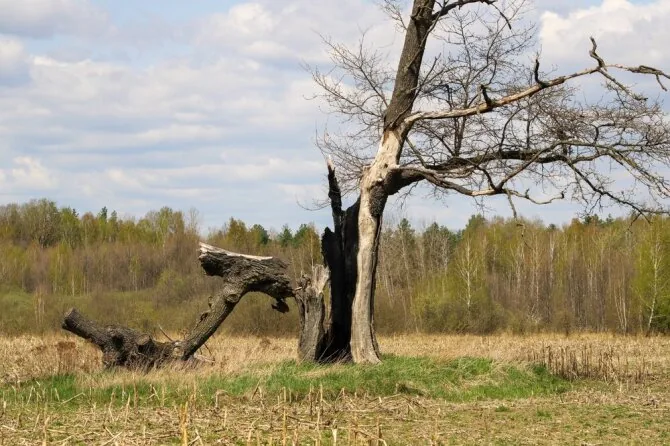
However, not every leaning tree is dangerous. Some trees naturally lean toward sunlight and gradually adapt by strengthening their structure. Much more concern should be raised by a sudden or recently increased lean of the tree.
Dangerous tree location
When assessing the risk posed by a tree, it is important to consider not only its condition but also what could be damaged if the tree or a large branch falls. Trees growing near houses, schools, roads, sidewalks, power lines, playgrounds, or other places frequently visited by people pose a higher risk.
In such cases, an arborist can assess the likelihood of the tree falling and the possible consequences and suggest the most appropriate solution – pruning, monitoring the tree, or removing it.
Other concerning signs
Possible tree problems may also be indicated by:
- thin or discolored foliage;
- early leaf drop;
- drying branches in the upper canopy;
- fungal growths;
- cracks and cavities;
- soft, damaged wood;
- insect-bored holes;
- woodpeckers frequently visiting the tree;
- newly developed lean;
- raised or cracked soil near the trunk;
- damaged roots;
- frequently breaking branches;
- damage after a storm.
When to consult a specialist?
One sign alone does not mean the tree must be removed. However, if you notice several of the listed signs, especially if the tree grows near a house, road, or a place frequently visited by people, it is worth having an arborist assess its condition.
Sometimes it is enough to properly prune damaged branches or monitor the tree. But in some cases, removal may be the only way to ensure safety.
Read more Couple and potato soup with smoked sausages – hearty and cozy any day