
Although polygamy is becoming less surprising in many cultures and religions around the world, the phenomenon where one woman has several husbands at the same time still sounds unusual.
Read more Lithuanian literature will spread from Peru to Sri Lanka: 32 book translations funded
Polyandry is a rare form of marriage, whose roots reach ancient traditions and practical economic calculations.
According to the encyclopedia “Britannica” and foreign media data, in some regions this practice not only exists but is also zealously protected by local tribes, despite official state prohibitions.
1. India
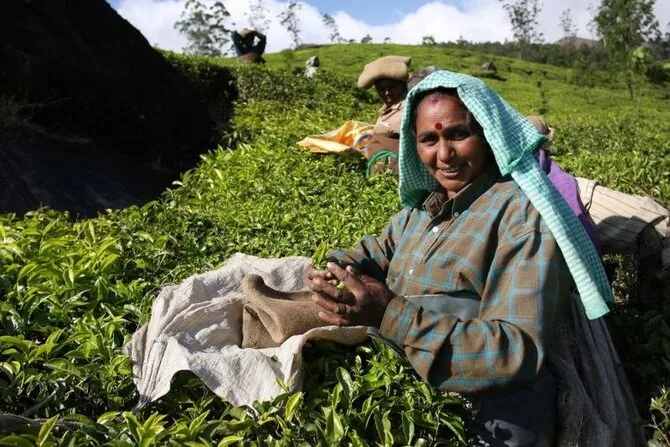
Several tribes in India practice polyandry as a common phenomenon. This practice is most widespread in Northern India, in the Jaunsar Bawar region among the Pahari people, as well as in Kinnaur in Himachal Pradesh, where a minority of the population openly justify and practice such marriages.
The inhabitants of these regions consider themselves descendants of the mythical Pandava brothers and believe they must continue this tradition.
Manifestations of polyandry or polyamory are also recorded among the Toda tribe in the Nilgiri mountains, the Nayanad Velala community in Travancore, and some Nair castes in Southern India.
2. Kenya
Polyandry came into the spotlight in Kenya when two men decided to officially become the husbands of the same woman whom they both loved.
The laws of this country do not directly prohibit polyandry, so legal action cannot be taken against such individuals.
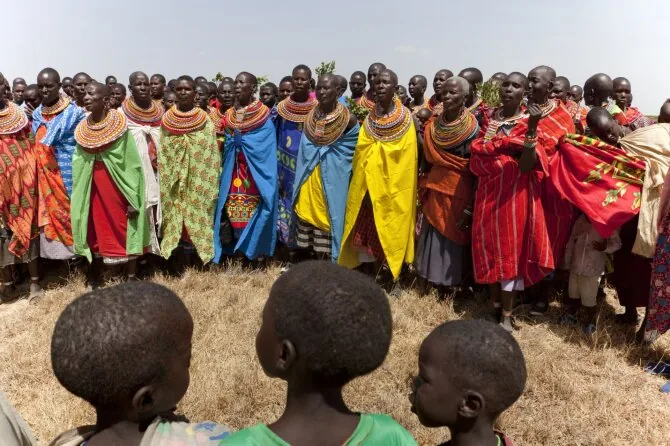
Moreover, it is reported that the practice of having multiple husbands has long existed among the famous Maasai of Kenya.
3. China
The so-called fraternal polyandry (where brothers marry the same woman) is especially common among the Tibetan population in northern China and border regions with India.
This tradition is based on the belief that a child can have more than one father. When two or more brothers marry one woman, they all have equal rights.
This practice is encouraged for economic reasons – if the family is poor and cannot divide its small land plots among several sons, the brothers simply marry one woman.
Thus, the family farm, real estate, and land remain intact and are not divided among separate descendants.

4. Nepal
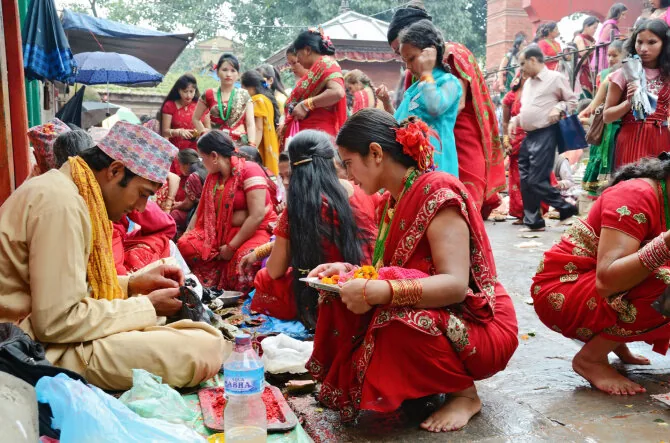
Nepal is a mountainous Asian country in the Himalayas. Although polyandry has been officially banned in Nepal since 1963, the inhabitants of the remote Humla, Dolpa, and Kosi regions value their traditions more than state laws.
Here you can find entire villages where all families live in polyandry.
This form of marriage is also very popular among tribes living in the north and northeast of the country, such as the Bhotiya and other ethnic groups.
Source: Tribuneonlineng.com