“Communication networks today are not only communication infrastructure but also digital security infrastructure. Operators already block millions of fraudulent calls and messages in real time, but scammers quickly change tactics. Therefore, technical measures alone are not enough – companies communicating with clients via SMS must take measures to protect their sender name, and users must critically evaluate every suspicious message,” says RRT Chair Jūratė Šovienė.
Read more Announcement about the closing of the famous Palanga restaurant – Roko Galvono’s latest news
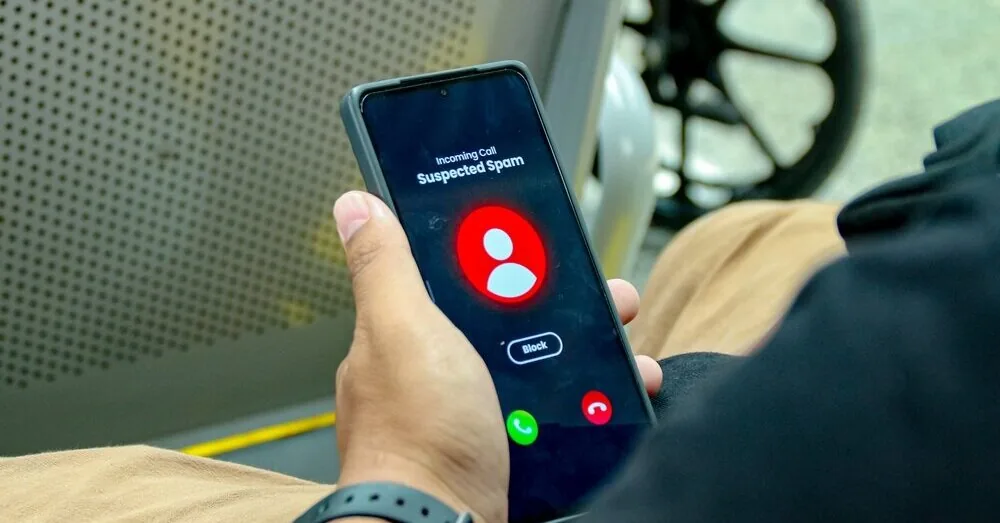
As operators actively apply filtering of deceptive calls, scammers change tactics and attack Lithuanian residents via SMS, as well as through messaging apps (Viber, WhatsApp, and others). In recent days, according to RRT, SMS fraud has increased several times, with messages containing links to various fake websites, aiming to steal certain account or banking login data from users.
SMS messages are most often received from non-Lithuanian numbers – foreign codes +44, +63, +91, +212, and others dominate. The messages urge payment of fines for traffic violations, speeding, improper car parking, renewal or extension of electronic signature, “Smart ID,” or mobile phone services. Often, threats of bailiffs are made for unpaid fines.
The growing number of blocked SMS shows that technical filtering measures alone are not enough to completely eliminate spoofed messages. Often, messages are sent via internet data channels where communication operators do not have the ability to apply filtering measures, note RRT experts. RRT urges residents to critically evaluate the content of received SMS, especially from foreign numbers, even if they are written in Lithuanian – this will help avoid loss of personal data and financial damage.
Solution for protecting the sender name of SMS content
RRT reminds and invites companies and organizations that communicate with clients via SMS to take advantage of the opportunity to protect their company or organization name so that it is not used in fraudulent messages. For SMS identification feature coordination, companies should contact mobile network operators directly.
Read more Solutions for a Cleaner Environment: Support for Wastewater Management in Vilnius District
Since July 2023, mobile network operators are required to provide named SMS senders the ability to coordinate identification features of such messages. In this way, a message that does not match the coordinated identification features, even if it has the real company name in the message title field, would be blocked and not reach the user.
By the end of March 2026, only 11 companies had coordinated SMS sending identification features with “Telia Lietuva,” 8 companies with “TELE2,” and 6 companies with “Bitė Lietuva.”
In the first quarter of 2026, operators obligated to apply spoofed short message blocking measures blocked over 30.46 thousand SMS that did not match identification features.