Ants – the forest “sanitarians”
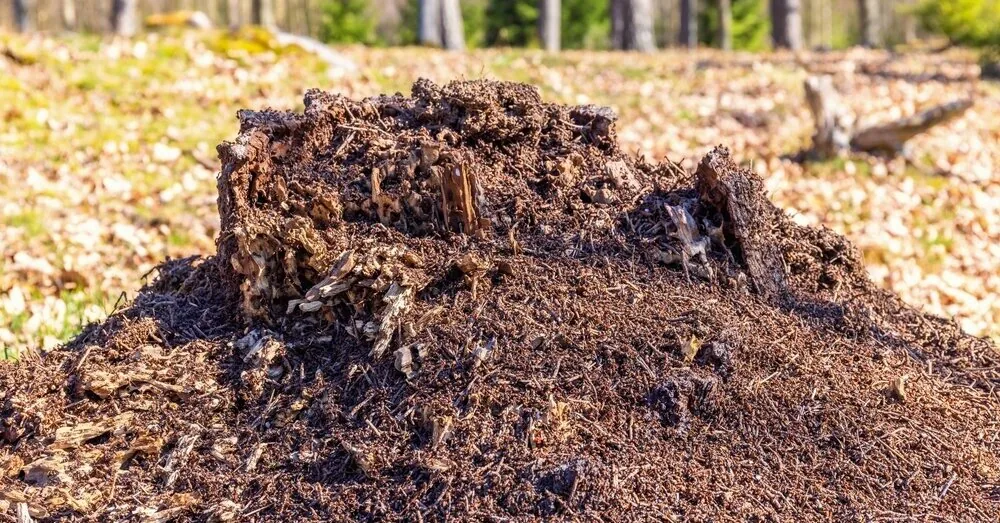
Woodland ants are one of the most important insect groups in the forest ecosystem, most commonly found in coniferous and mixed forests. In Lithuania, widespread species of brown woodland ants form large anthills, which can house hundreds of thousands or even millions of individuals. Interestingly, what we see on the ground is only a small part of the ant colony, as the majority of anthills are located up to two meters underground. There is a huge labyrinth of cavities and tunnels where ant life thrives.
Read more Kallas: Europe cannot be a neutral mediator between Russia and Ukraine
Ants play a very important role in maintaining a healthy forest ecosystem – they eat insects that damage forest growth, clean the forest of insect remains, aerate the soil, and thus greatly improve natural forest regeneration. They also contribute to the decomposition of organic matter and disperse seeds of more than 150 species of forest plants. It is estimated that the inhabitants of one large anthill can destroy hundreds of thousands of forest-damaging insects and their larvae during a season.
Due to their importance, woodland ants are often called the forest “sanitarians.” Their activity contributes to the overall health of the forest, so anthills are considered important protected habitats, and their protection and maintenance are a significant part of biodiversity conservation.
Forest work coordinated with anthill protection
VMU specialists, when planning forest cutting or maintenance work, also take into account the anthills present in the forest. Detected anthills are marked, and contractors and machinery operators are informed to avoid damaging these sensitive habitats during work.
Protective zones are left around larger anthills, machinery movement is restricted, and in some cases, work routes are adjusted. This helps prevent the destruction of anthills or disruption of colony activity.
How are rare woodland ants protected?
In Lithuania, some species of woodland ants are protected. VMU cooperates with naturalists and protected area specialists, conducts biodiversity monitoring, and contributes to the protection of rare species.
Specialists working in forests are constantly trained to recognize valuable natural habitats, including anthills. If necessary, additional protective measures are taken – anthills are fenced with triangular or square wooden fences. This protects anthills from possible rooting by wild boars.
According to VMU foresters, anthills attract wild boars because ants spray formic acid abundantly to defend themselves from them. This acid repels other parasites living in the wild boars’ fur and skin – fleas, lice, and various mites. Therefore, wild boars not only root anthills but also roll in them and pick up ant eggs and larvae. Unfortunately, sometimes the damage caused by wild boars to the ant colony becomes irreparable.
Foresters also repair damaged and replace old anthill enclosures.
Every forest visitor can contribute
VMU reminds that anthills must not be disturbed, trampled, or otherwise damaged. Even small human interference can disrupt the activity of the entire colony. Forest visitors are encouraged to observe nature responsibly, not leave trash, and protect natural forest habitats.
Caring for anthills is caring for the health of the entire forest. The more diverse the forest ecosystem, the more resilient Lithuanian forests become to climate change, diseases, and pests.
Read more Putin is accompanied by a car with a ZU-23 anti-aircraft gun platform