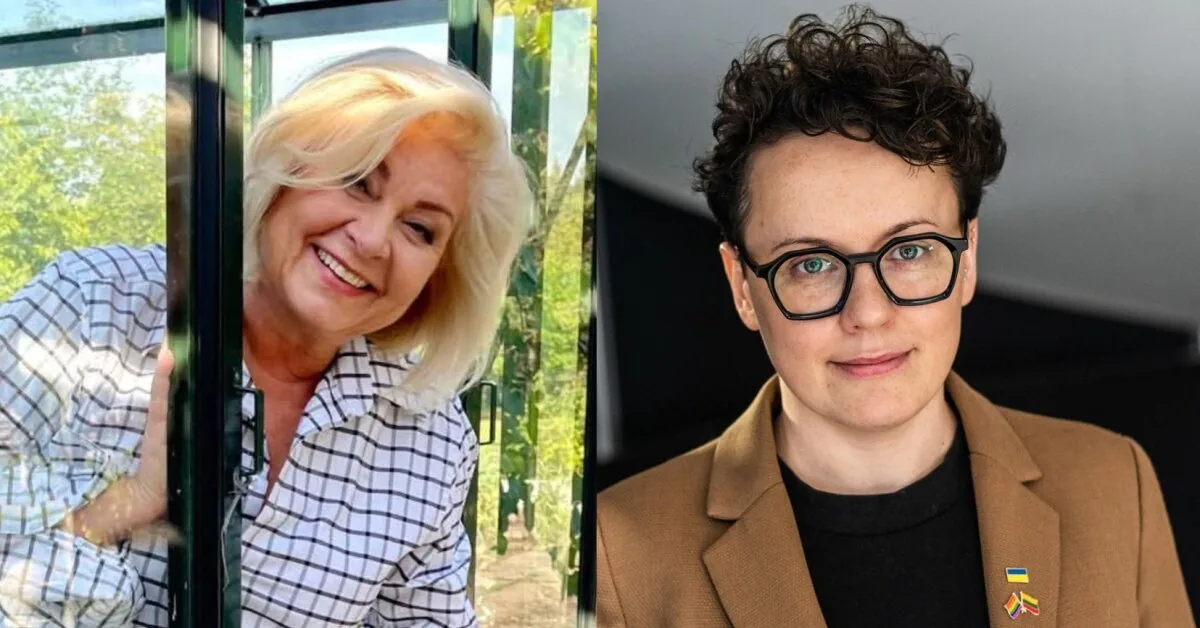






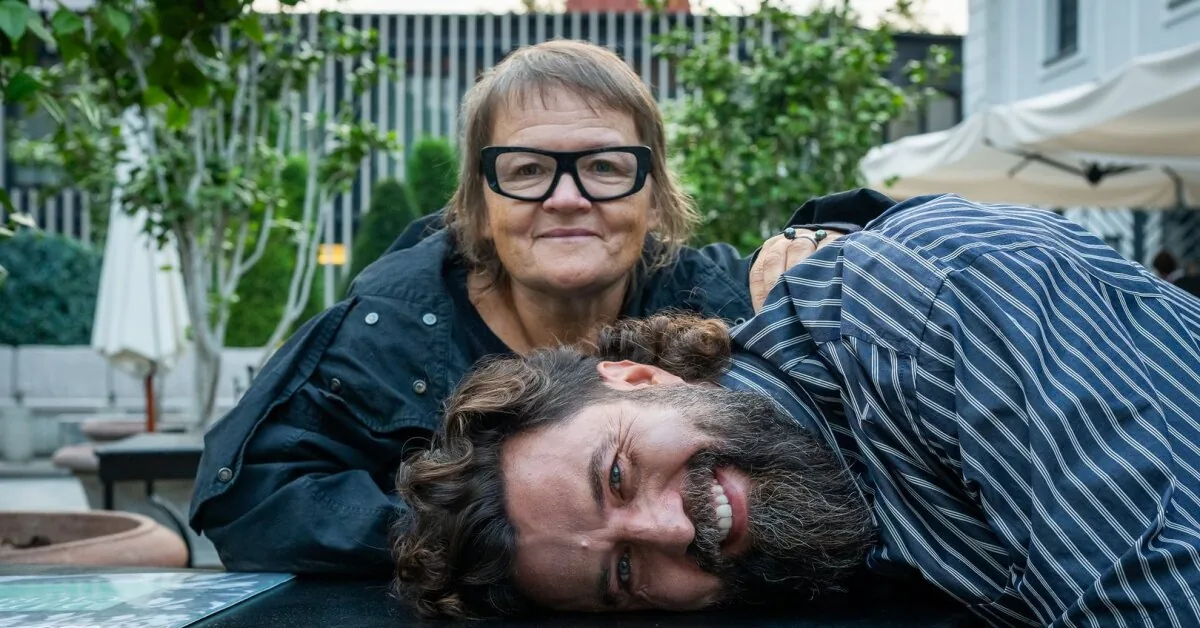
“20th anniversary. Did we do everything we hoped for? I think we did five times more,” says the director firmly.
“The opera theater came alive. And we really, I think, created and developed the acting school for opera soloists,” says the director, who helped the team analyze roles and encouraged young creators to demand more from themselves.
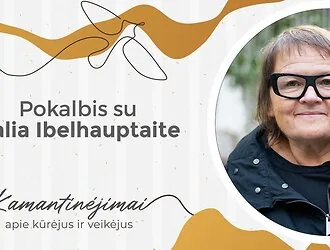
“If a twenty-five-year-old director, actor, or maybe even a singer came to you now and said they want a global career, what three things would you advise them?” asked the host of “Kamantinėjimai,” A. Kamantauskas.
Photo gallery:
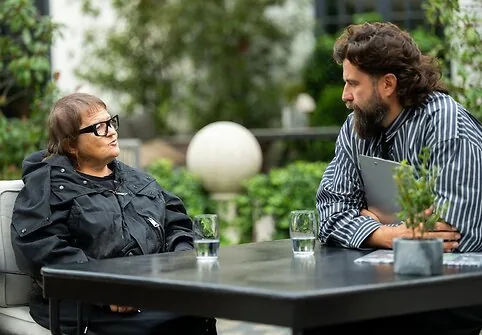
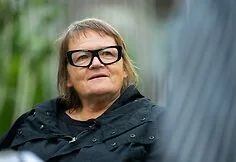
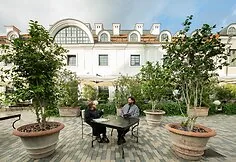
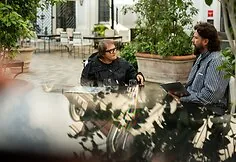
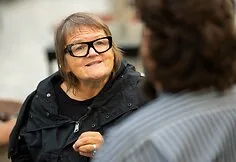
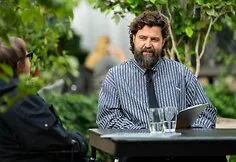
The director answered without hesitation: “Work. Then work some more. And work even more. And then want not a global career, but to be the best.”
“I was a bad friend, a bad daughter, a bad wife”
When asked by event creator and “Rekūra” leader Aurimas Kamantauskas what led to such creative success, Dalia Ibelhauptaitė was open – she always saw her assembled “Bohemians” as a family, not colleagues. “I believe that with the ‘Bohemians’ we changed the course of opera in Lithuania,” says the director.
“Theater must be created and nurtured like a family. When I was young, I never thought fate would give me the gift to create my own troupe, my own theater. I became a director at a time when women directors could be counted on one hand not only in Lithuania but worldwide,” recalls the interviewee about her difficult but impressive creative path.
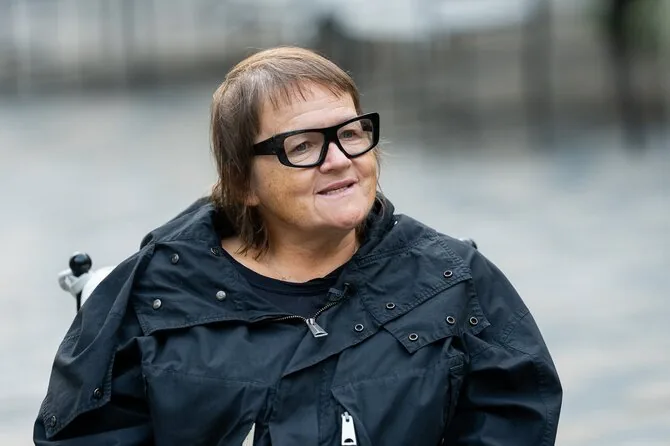
Still, in the “Kamantinėjimai” podcast, D. Ibelhauptaitė recalled that she took advantage of the chances she had, but one is still kept and reserved. She will reveal it to the audience.
Asked what decision she would make differently today, Dalia Ibelhauptaitė admitted she would have spent more time with the people she loves.
“For many years, everything was just work for me. I was a very bad friend. I was a very bad daughter. I was a very bad wife because I didn’t devote enough time to those who loved me first and whom I loved very much,” the creator answered sensitively.
She added – working in such a job, she didn’t always feel only recognition: “You are physically alone like a wolf, but at the same time you are surrounded every second by a hundred people,” the director confided, emphasizing that everyone shares the laurels of success, but for failure, you remain responsible alone.
Read more Latvian border guards presented a Polish driver’s license that was never issued to him
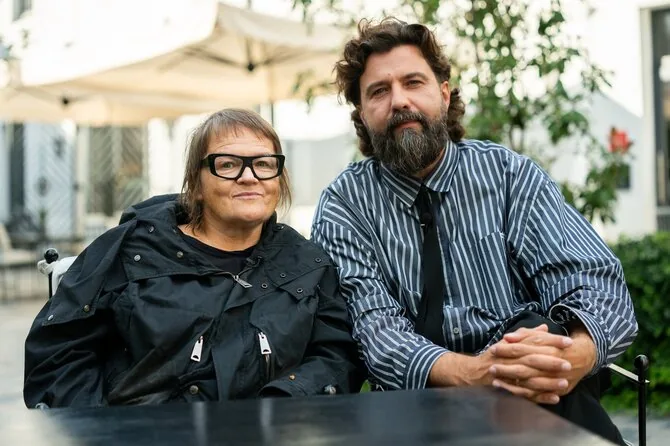
“You have to take risks even for madness”
Dalia Ibelhauptaitė is open – changing the face of Lithuanian opera, she had an ambitious goal. Twenty-six years ago, together with Gintaras Rinkevičius and Juozas Statkevičius, creating “The Masked Ball,” she aimed for everyone who had never come to the opera before to come. Or those who came with school or work groups and didn’t like it. “This is a matter of inner energy,” the creator summarizes. “Life is full of stories.
You must not be afraid to take risks, even when it seems like complete madness,” says the director.
She recalls not only bold creative decisions but also that believing in the idea, she bravely ensured there was no lack of funding. There were cases when the director joked in meetings with businessmen that she wouldn’t leave until the business provided support for the performance. At that time, supporting culture in Lithuania was not popular, and events were not announced on separate newspaper pages but described all together in one section – cultural announcements were not presented attractively.
Again, Dalia Ibelhauptaitė was the boldest and asked to do it differently – it was her performances that began to be advertised on separate pages and prominently.
More than 20 years ago, the creative path led Dalia Ibelhauptaitė to New York. “I had a completely different environment, a different opportunity. I was rehearsing ‘Šveikas.’
The windows of my rehearsal room faced Times Square. And during breaks, I would sit and look out the window because I couldn’t believe that I, a girl from Žirmūnai, was now sitting here, looking at Times Square and rehearsing here,” recalls D. Ibelhauptaitė.
It was New York that taught the creator how to properly and distinctively take care of the recognition of her performances, not just strong content.
About experienced failure, cinema as an investment, and creativity together with her husband – the talented British director and actor Dexter Fletcher – in the latest “Kamantinėjimai.” You can watch the entire conversation on Aurimas Kamantauskas’s podcast:
Read more Emmanuel Macron instructed to protect France’s infrastructure from «Russian hybrid attacks»