About one third of all food produced worldwide is thrown away every year. In the United States alone, about 40% of food waste ends up in landfills, where it decomposes and releases large amounts of greenhouse gases, reports The Guardian, presenting a new study by scientists from the University of Vermont.
Read more Bodies of five mountaineers who died last year in an avalanche found in Nepal
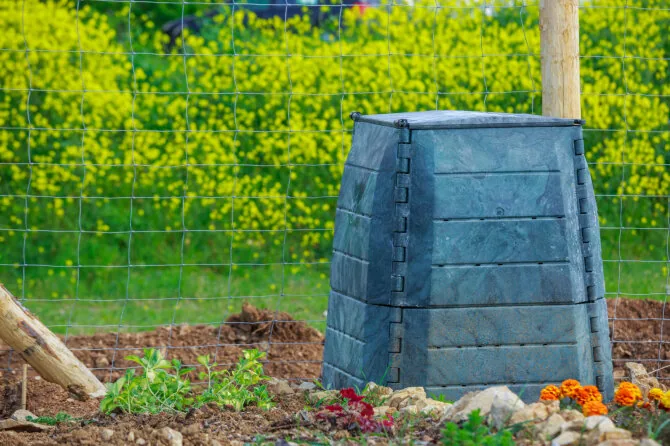
The researchers compared different methods of food waste management and found that diverting it from landfills to composting, anaerobic digestion, or other uses could reduce climate impact by as much as 89–99%. Such systems can also reduce excess nutrient runoff into water bodies.
However, a problem has also emerged that, according to the researchers, has received too little attention so far – contamination from plastic packaging.
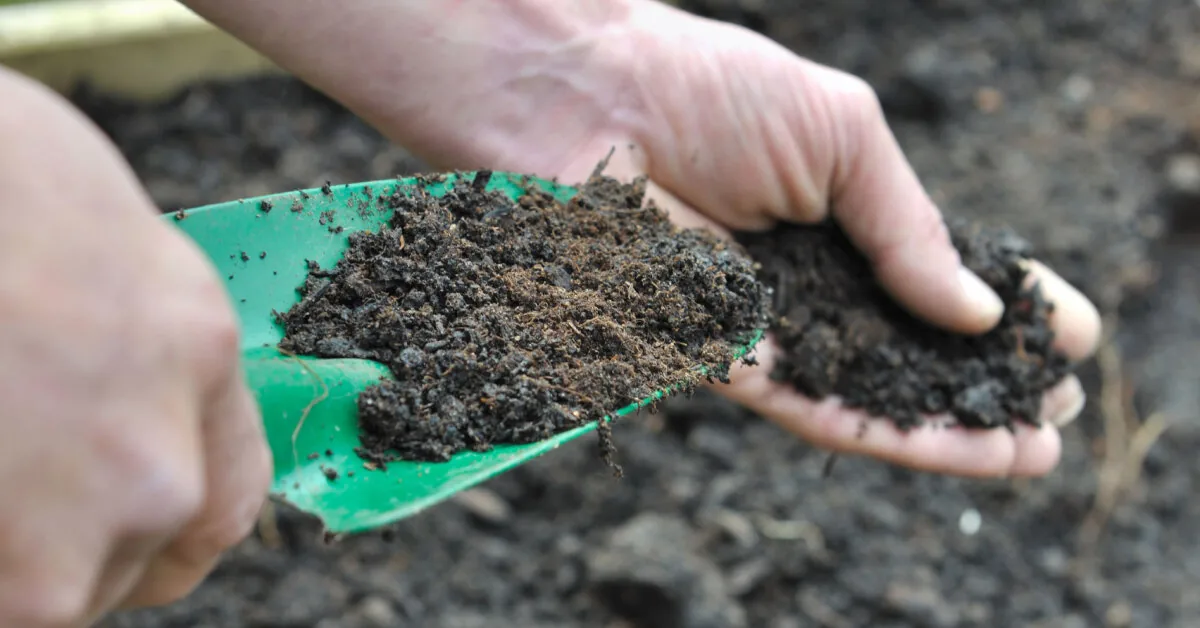
A large portion of discarded food is still in packaging. In recycling facilities, food can be mechanically separated from packaging, but it is impossible to completely remove small plastic particles. These can remain in compost, which is later spread on agricultural fields.
According to scientists’ calculations, about 20,000 tons of microplastics could enter U.S. agricultural soil annually in this way. Even if plastic separation technologies operate at 99% efficiency, diverting waste from landfills could still significantly increase microplastic contamination in soil.
Study leader Kate Porterfield emphasized that the problem does not arise because food waste recycling itself is a bad solution. On the contrary – its benefits for the climate are very significant. However, in the modern food system, so many products are sold in plastic packaging that completely avoiding contamination is difficult.
Plastic also helps reduce food waste
The situation is not straightforward also because packaging often helps food stay fresh longer.
Read more Official: Jannik Sinner will not appear in Cincinnati due to injury
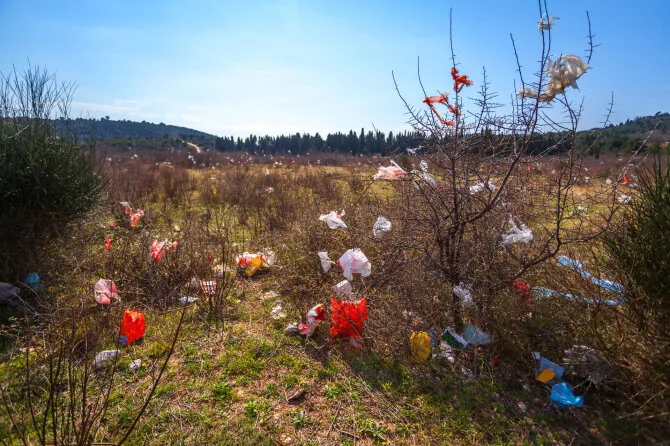
Phil Holtam, a representative of the food waste reduction organization Sussex Surplus, told The Guardian that plastic packaging is necessary for some fresh products to extend their shelf life.
So there is a contradiction: the goal is both to reduce the amount of food thrown away and to eliminate unnecessary plastic.
Therefore, the researchers urge that the issue of plastic pollution be addressed already when designing food waste collection and recycling systems, rather than only when they start operating.
Resident behavior is also important. If inappropriate packaging ends up in food or recycling containers, even modern sorting technologies cannot guarantee that plastic will not end up in the final compost.
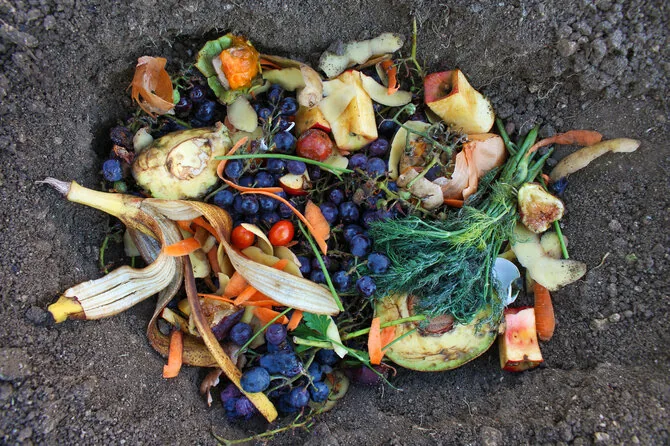
The scientists’ conclusion is not an argument against food waste recycling – the study shows its very significant benefits for the climate. However, as such systems expand, the less visible problem should also be addressed: how to ensure that food saved from landfills does not ultimately become a source of microplastics in the soil.
Read more The life of Don Nelson, who had a decisive influence on Šarūnas Marčiulionis’ career, has ended