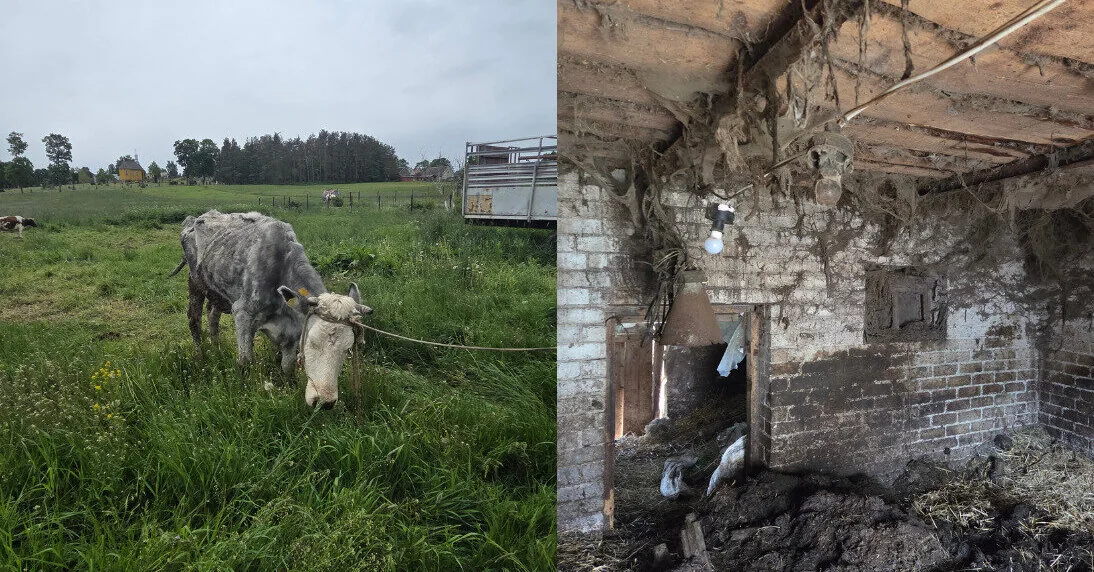
Just in the first five months of 2026, the State Food and Veterinary Service (VMVT) confiscated 95 animals from 19 individuals due to animal welfare violations – both farm and pet animals. In May alone, after administrative rulings came into effect, 43 animals were confiscated from 6 individuals for cruel treatment of animals, of which two were farm animals. According to specialists, many such situations could be avoided if problems were noticed and addressed earlier.
Read more Wet little noses and summer adventures: SOS ANIMALS invites you to the summer celebration!
Some violations are related to conscious neglect of duties. However, there are often cases where due to age, declining health, or changed life circumstances, it becomes increasingly difficult for a person to properly care for the animals they keep. In such situations, those who are completely dependent on the person – their own animals – suffer first.
“We see that society is becoming more sensitive to animal welfare and less tolerant of animal neglect. People report possible violations more often, so we can respond faster and prevent even greater animal suffering. Often, when we arrive for inspections, we see that the problems started long before they were reported. Every time we go to an inspection, we do not know what situation we will find, but our goal always remains the same – to help the animals. However, it is important to understand that you cannot station an inspector at every animal keeper, nor is that the goal. Animal welfare primarily begins with the person’s responsibility for those they raise and keep,” says Diana Daina Šutovienė, advisor at the VMVT Supervision Department.
According to her, keeping animals is a long-term responsibility and a daily commitment.
“Just as we care for our family members, we must also care for our animals – ensuring proper care, balanced feeding, watering, and veterinary assistance when needed. Institutions can help, conduct control, and respond to reports, but we cannot make daily decisions for animal keepers. When a person realizes that due to health, age, or other reasons they can no longer ensure proper animal care, the most important thing is not to delay and not to wait until the situation becomes critical. Help should be sought as early as possible,” says D. Šutovienė.
People around can also play an important role in such situations. Relatives, friends, neighbors, local communities, or elders often are the first to notice that a person is finding it increasingly difficult to properly care for their animals. In some municipalities, more initiative is already visible, but in practice, greater activity and prompt response from municipalities and local communities to observed problems are still lacking.
One of the latest examples revealing what can happen when problems remain unresolved for a long time was identified in the Kelmė district. At the end of May, VMVT inspectors, having received information from the municipality and cooperating with specialists from the Lioliai eldership, conducted an inspection at a cattle farm.
Read more Do you think remote work is a dream? Specialist warns – not for everyone
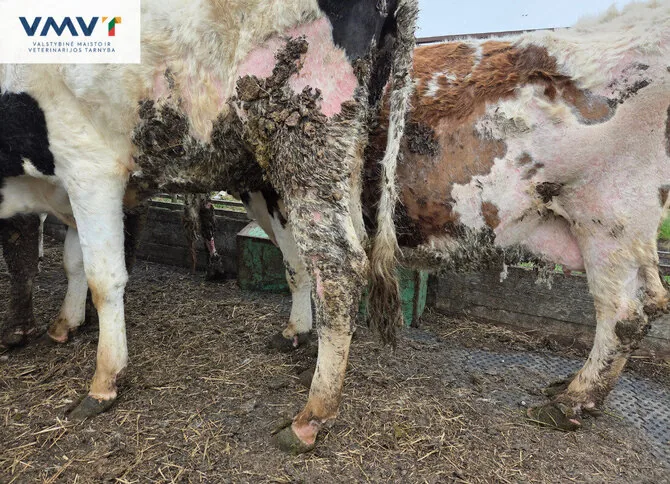
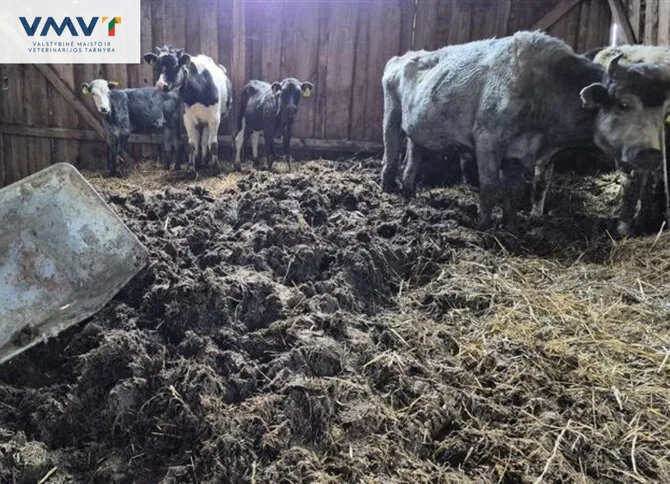
“During the inspection, we recorded very poor conditions that were dangerous to the health and life of the animals. Some animals had not received the necessary veterinary care. The cattle were kept in dirty barns, on accumulated manure, without dry resting places and properly arranged feeders. The feed was contaminated because it was thrown directly onto the manure. In one barn, some animals were tied by their horns so tightly that they could not normally raise their heads, and some had open, bleeding wounds.
There were also exhausted and injured animals lacking water. Many animals had dirty, patchy coats, likely due to prolonged time spent in mud. Additionally, buried cattle carcasses were found, prompting a separate investigation,” comments Daiva Kazlauskienė, head of the VMVT Šiauliai District Supervision Department.
Considering the identified violations and the condition of the animals, a decision was made to take all the cattle kept on the farm – a total of 20. The animal keeper faces administrative liability under Articles 346 and 343 of the Animal Welfare and Protection Law.
VMVT reminds that a significant portion of violations is identified precisely after receiving reports from residents. Observed or suspected animal health and welfare violations can be reported to VMVT by phone at 1879 or +370 5 242 0108, as well as online by filling out a report form.
When submitting a report, it is important to specify the exact location, time, and circumstances and provide contact details so that inspectors can contact you for additional information and start an investigation if necessary.
Read more Businesses open up a 1 million euro opportunity: who will be able to take advantage of it?