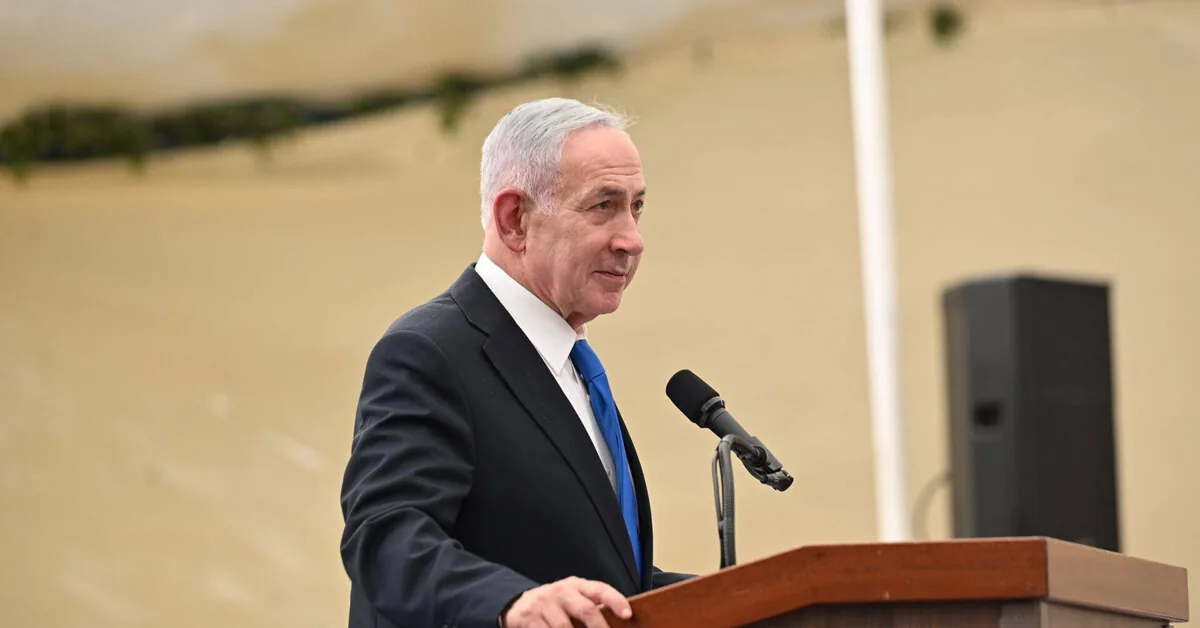
After more than a week of gradually increasing criticism, B. Netanyahu openly opposed the plan, facing pressure from the right-wing base ahead of the elections.
Read more Do you know these 10 seas of the world?
“Israel rejects this 15-point document,” said B. Netanyahu, referring to the plan approved by Hamas at the end of July.
The Israeli army “will not carry out any troop withdrawal until Hamas is truly disarmed, and will continue to thwart threats to our forces and citizens,” B. Netanyahu said during a cabinet meeting.
The document, which is the latest stage of the US-led ceasefire plan announced in October, reducing but not ending Israeli operations in the Gaza Strip, states that “Hamas” should hand over weapons to the emerging Palestinian governing authority.
The plan states that Israel would begin troop withdrawal along with disarmament. Israel categorically rejects this idea and also demands that Hamas destroy its weapons.
Read more New scam trick – a package you didn’t order: experts explained what to do if you receive one
After last week’s meeting with B. Netanyahu, the Peace Council established by D. Trump, which implements the agreement, changed its position and stated that Israel would have to withdraw forces only after “complete” disarmament.
B. Netanyahu, Israel’s longest-serving leader, who polls show is in a tight fight to remain in power, faces calls from far-right allies to hold a new cabinet vote and abandon the Gaza Strip plan.
B. Netanyahu emphasized that Israel is negotiating with the US over its objections.
“They have ideas; some are acceptable to us, and some are not, and we know how to defend our position on these issues,” he said.
B. Netanyahu stated that “Hamas” must hand over all its weapons – a goal that Peace Council members consider unrealistic.
“We are talking about real, not fictitious disarmament,” emphasized B. Netanyahu.