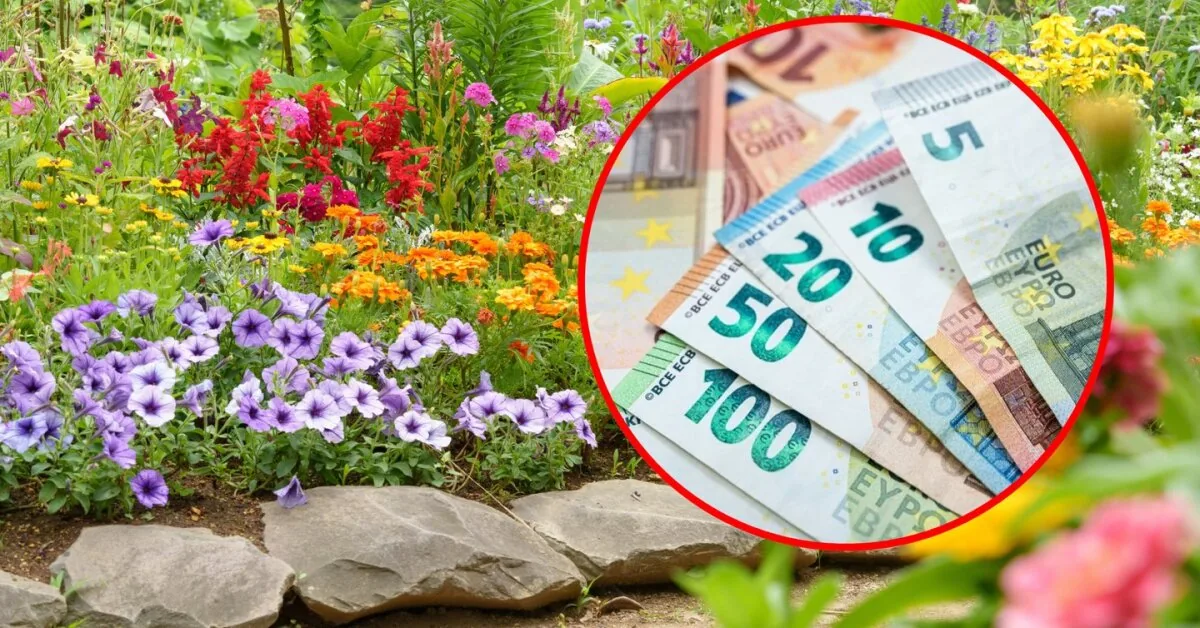
Invasive plants can displace native species, alter the structure of natural habitats, and some of them pose a threat to human health.
Read more Several people injured in shooting at Virginia State University
The Environmental Protection Department emphasizes that cultivating, propagating, exchanging, importing, transferring, trading, or otherwise using viable invasive species without the necessary permit is prohibited.
Lithuania’s natural vegetation is important for ecosystem stability and wildlife diversity, but invasive plants, introduced as ornamental plants or along with agricultural crops, can disrupt this balance.
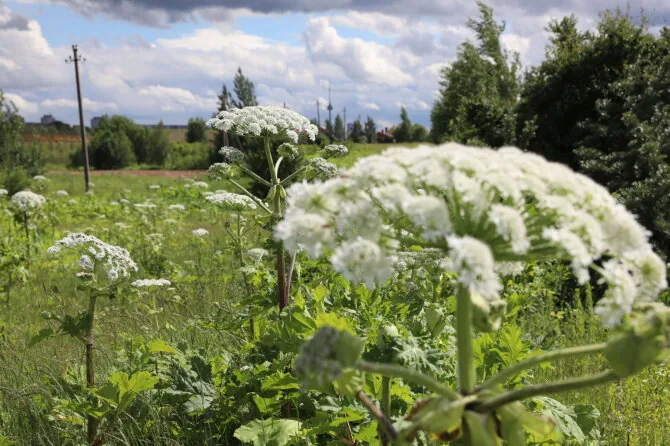
One of the most dangerous – Sosnowsky’s hogweed
Sosnowsky’s hogweed is widespread throughout Lithuania, especially in the eastern and southern parts of the country. It grows in wastelands, meadows, forest edges, shrublands, near water bodies, as well as in urbanized areas.
This plant not only spreads quickly and takes the place of native plants but is also dangerous to humans. All parts of Sosnowsky’s hogweed accumulate furanocoumarin, which can cause first to third-degree skin burns when a person approaches the plant, picks it, or mows it.
In 2016, Sosnowsky’s hogweed was declared an invasive species of the European Union and listed among invasive alien species of concern. Member states are obliged to control its spread.
Lupins change the soil
Broadleaf lupins are widespread throughout Lithuania, mostly growing along riverbanks, in moist places, and in shaded areas.
Invasive lupins increase nitrogen reserves in the soil, causing plant species of meadows, sand dunes, and other habitats to decline in their habitats. Moreover, lupins reproduce quickly, adapt to various conditions, and their seeds remain viable for a long time.
Soapworts conquer coastal dunes
Dense stands of soapworts are mostly found on the Lithuanian coast – both on the mainland Baltic coast and in the Curonian Spit.
Dense stands of this plant change the community structure and the moss cover typical of sand dunes. Soapworts stabilize wind-blown dunes, reducing suitable habitats for rare plants that can only grow on blown sand.
Robinias can spread by roots
Black locust, also called acacia, grows almost throughout Lithuania, especially abundant in the Curonian Spit, and parks in Kaunas, Švėkšna, and Druskininkai.
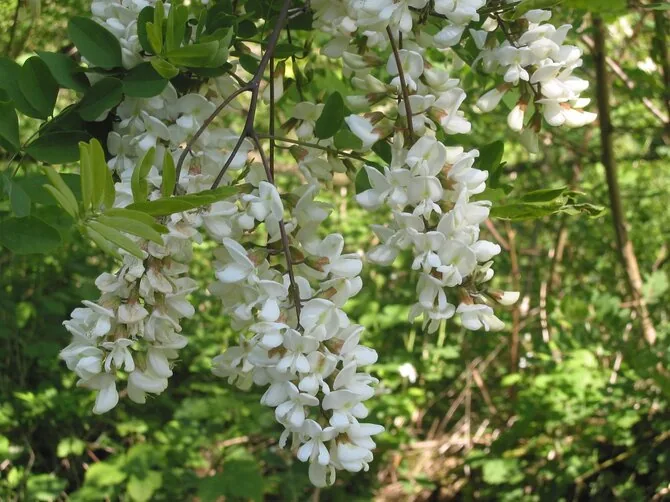
This tree reproduces not only by seeds but also by root and stump shoots. Robinia can spread up to 20 meters per year by shoots.
Dense stands of robinias change the chemical composition of the soil, causing non-native nitrogen-loving plants to thrive. Sand dune habitats especially suffer – over time, species typical for them may disappear.
Thorns form dense thickets
Rugose rose is most common in eastern and southeastern Lithuania, as well as in the Baltic coastal dunes.
These plants produce long rhizomes and form large, dense thickets. Their spread significantly reduces the diversity of native plant and animal species, damaging communities and habitats.
Read more Who performed this song – Moby, Placebo, The Cure, or Nick Cave and the Bad Seeds?
Reeds displace native plants
Three invasive reed species – Canadian, tall, and great reed – are widespread throughout Lithuania. They are often found around cities and settlements, abandoned agricultural lands, forest edges, roadsides, and other open areas.
Reeds produce many rhizomes, forming dense thickets where there is no room left for native plant species. As a result, natural communities decline, and the species composition of animals and the entire ecosystem changes and decreases.
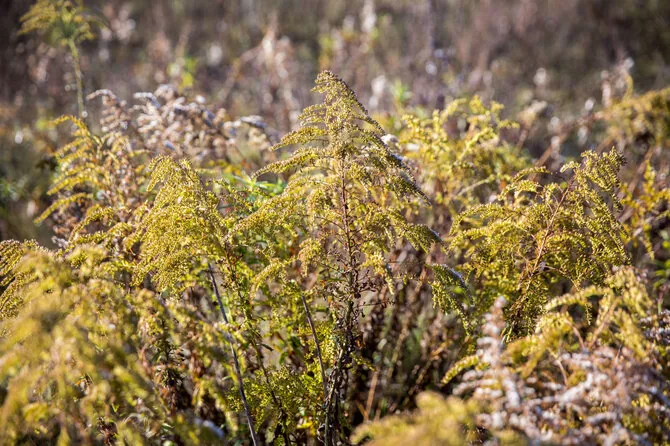
Moreover, these plants take more nutrients from the soil than native species, causing soil acidification, and some plants begin to wither or disappear entirely.
Invasive sorrels reduce meadow value
Dense-flowered sorrel is a widely spread and still spreading invasive species. It is found throughout Lithuania – in meadows, riverbanks, roadsides, forest clearings, along railways, abandoned fields, and wastelands.
In natural or semi-natural meadows, sorrels suppress native, especially low-growing, plants. Additionally, they reduce the economic value of meadows because livestock do not eat these plants.
Honeysuckles conquer shores and forests
Honeysuckles in Lithuania are found along water bodies’ shores, where they form very large and dense thickets, sometimes stretching for several or even dozens of kilometers.
In such places, the diversity of native plant species decreases, and the composition of valuable tall grasslands, alluvial forests, and other habitats changes. Dense thickets on shores also promote bank erosion and accelerate water eutrophication.
Small-flowered honeysuckle is widespread throughout Lithuania and is one of the most common invasive plants found in forests. It competes with herbaceous plants and often becomes the dominant species in forests.
How are invasive plants destroyed?
Various measures are used to reduce the spread of invasive plants: mechanical removal, chemical substances, digging out or cutting plants at the most favorable time before they have produced seeds.
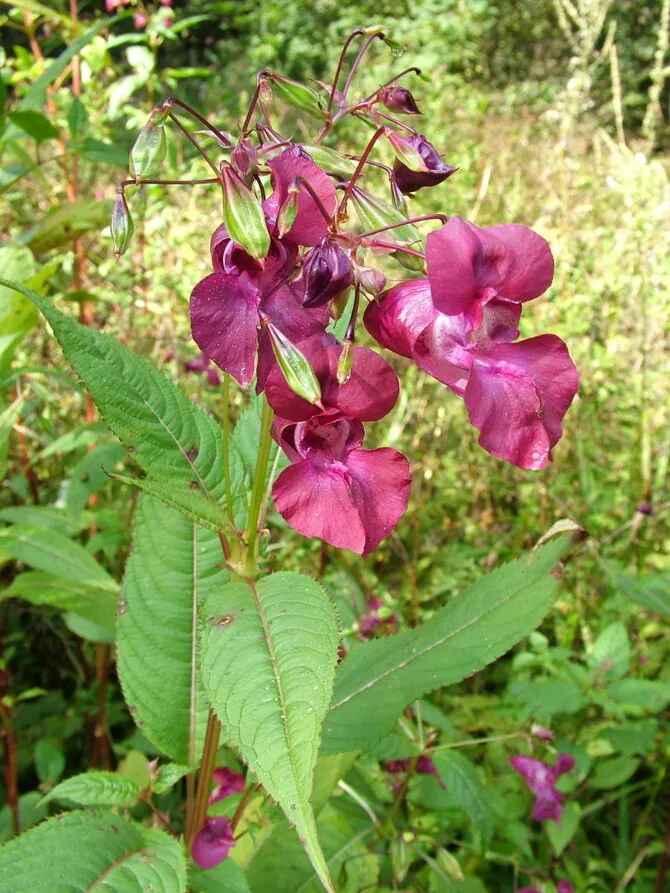
Sometimes it is impossible to eradicate all individuals of a certain species, so efforts are made to control their populations and thus reduce the damage caused.
Fines may be imposed for cultivation
The Environmental Protection Department reminds that fines of 200–400 euros are imposed for cultivating, propagating, or exchanging invasive species. Fines of 300–600 euros may be imposed on heads of legal entities or other responsible persons.
Fines of 300–500 euros apply for placing invasive species on the market or deliberately releasing them into the environment, and fines of 800–1500 euros for heads of legal entities and other responsible persons.
Therefore, before bringing a beautifully looking plant into the garden, it is worth finding out which species it belongs to. What at first glance seems like an ornament can become a serious problem in nature – and cultivating it can cost a significant amount.
Read more Septynkovėje – Juškevičiūtė’s records and a place in the top ten