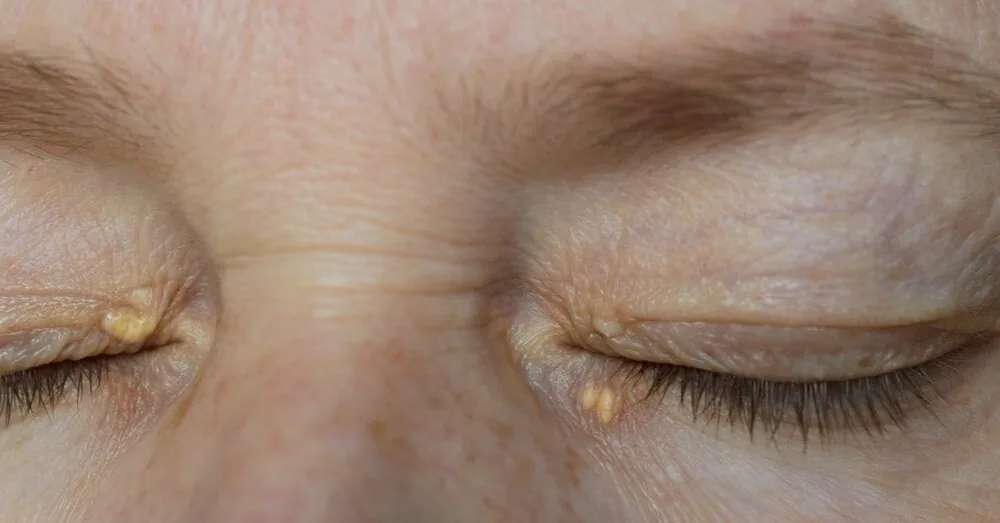
Healthy nutrition, regular physical activity, maintaining a normal body weight, and not smoking are important both for cholesterol levels and for overall cardiovascular disease prevention. However, the impact of lifestyle changes varies among different people.
Read more “Girteka” is establishing itself in Romania and Latvia, will relocate part of operations
“For one person, the level of low-density lipoproteins (LDL), also known as ‘bad’ cholesterol, can decrease quite significantly by changing diet, while for another it may change only slightly. This depends on the initial cholesterol level, genetic characteristics, age, metabolism, and other health conditions. Therefore, elevated cholesterol levels do not necessarily mean that a person lives unhealthily or is doing something wrong,” says family doctor Evaldas Šivickas from the health solutions center “Antėja” in a press release.

According to him, elevated cholesterol levels usually do not cause pain, weakness, or other clear symptoms. For this reason, this condition is often called “silent,” as a person may feel completely healthy even though atherogenic lipoprotein particles are gradually accumulating in the walls of their blood vessels.
“This process usually occurs slowly – over many years or even decades. Symptoms typically arise not from the elevated cholesterol itself, but from its consequences, such as narrowing of the arteries of the heart, brain, or legs. Sometimes the first sign of the disease can be angina pectoris, myocardial infarction, stroke, or intermittent claudication,” explains the doctor.
Various factors can influence
Elevated cholesterol levels in the blood are influenced not only by diet and physical activity – genetics, age, other health conditions, and medications can also play a role.
“Genetics plays a significant role. Some people’s bodies, due to inherited traits, tend to produce more cholesterol or remove low-density lipoprotein (LDL) particles from the blood more slowly. This is usually caused by a combination of many genes, but sometimes familial hypercholesterolemia is diagnosed – an inherited disease where LDL cholesterol concentration is very high already in childhood or youth,” says the doctor.

He adds that cholesterol levels can also change with age. In older age, LDL cholesterol concentration often increases, and in women, more noticeable changes often occur after menopause.
Additionally, elevated cholesterol levels can be caused by other conditions or diseases, such as hypothyroidism, poorly controlled diabetes, obesity, metabolic syndrome, chronic kidney disease, certain liver and bile duct diseases.
“Medications can also have an impact, so when marked dyslipidemia is first detected, not only diet and lifestyle but also possible secondary causes are evaluated,” says E. Šivickas.
Medications or lifestyle changes?
Not every cholesterol level exceeding the norm automatically means that medication should be started. The decision depends not only on cholesterol concentration but also on the overall cardiovascular disease (CVD) risk.
When assessing it, age, blood pressure, smoking, diabetes, kidney function, family history, previously diagnosed cardiovascular diseases, and low-density cholesterol levels are taken into account.
“If a person is young, their overall CVD risk is low, and LDL cholesterol is only slightly elevated, usually the first recommendation is to adjust diet, increase physical activity, reduce body weight if overweight, and quit smoking. After a certain period, a repeat lipid test is performed and the changes in levels are evaluated,” says the family doctor.

Meanwhile, medication treatment is usually necessary for people already suffering from atherosclerotic cardiovascular disease, as well as some patients with diabetes or chronic kidney disease, those with high or very high calculated CVD risk, very high LDL cholesterol levels, or suspected familial hypercholesterolemia.
Which tests are worth doing?
Total cholesterol shows the amount of cholesterol in the blood but does not reveal which lipoprotein particles carry it. Therefore, two people with the same total cholesterol level may have different cardiovascular disease risks, the doctor emphasizes.
“A lipid profile allows assessment of individual cholesterol fractions. The most important indicator is usually LDL cholesterol, whose excess accumulates in artery walls and promotes atherosclerosis development. HDL cholesterol helps evaluate the overall lipid profile, and elevated triglyceride levels may be associated with overweight, high intake of simple carbohydrates or alcohol, diabetes, and other metabolic disorders. Non-HDL cholesterol, which includes all cholesterol-carrying particles that promote atherosclerosis, can also be calculated,” explains E. Šivickas.
However, the lipid profile is only one part of cardiovascular disease risk assessment. Results are evaluated together with a person’s age, blood pressure, smoking, diabetes, kidney function, family history, and already diagnosed cardiovascular diseases.
In some unclear cases, a high-sensitivity C-reactive protein (hs-CRP) test may be performed to refine cardiovascular risk. However, its results are only interpreted alongside other risk factors, as inflammation markers can increase for other reasons as well.
Read more President: US and Mexico trade talks continue despite Donald Trump’s conflict with Canada