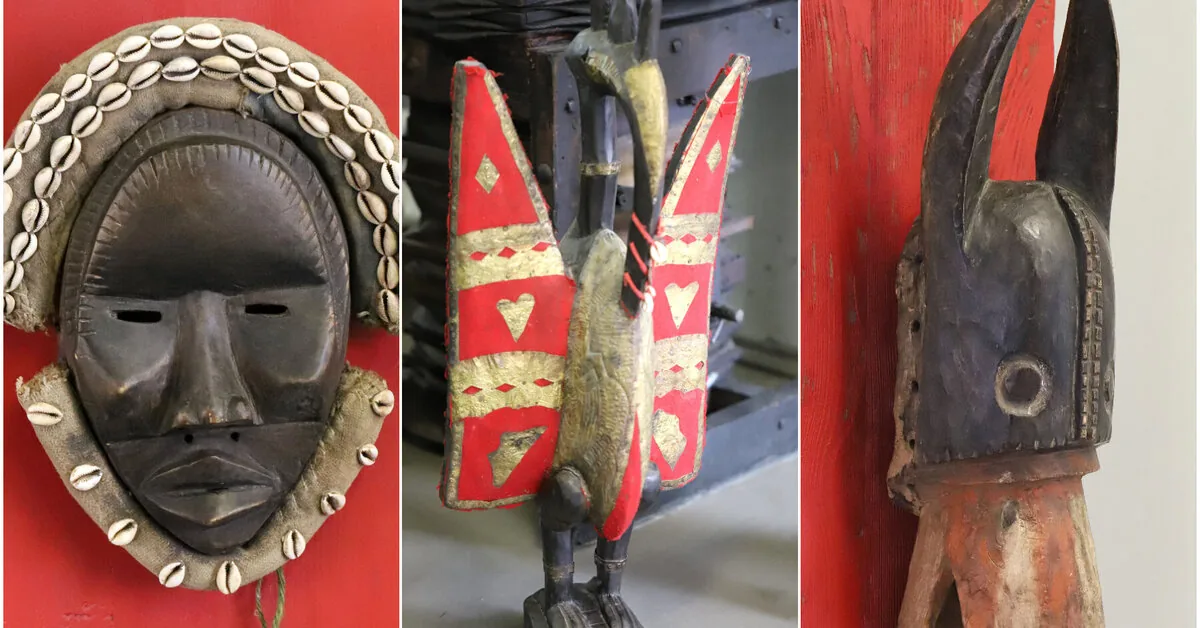
The exhibition opens not only a dialogue between different cultures but also between different materials – wood and metal, two craft traditions united by human creativity, faith, and the language of symbols.
Read more Taurimas Valius – awkward situation: the seat to the right of Sinkevičius is already taken
The ritual wooden masks of African and Oceanian peoples were used at important moments of communal life when it was necessary to establish a connection with the spiritual world: during initiation rites, harvest festivals, ancestor veneration, and community reconciliation rituals.
The foundation of this exhibition is the collection gathered by Franciscan priest Leonard Andriekus (1914–2003). A poet, cultural figure, longtime editor of the magazine “Aidai,” and art promoter, he believed throughout his life that art helps to understand people and builds bridges between different nations.
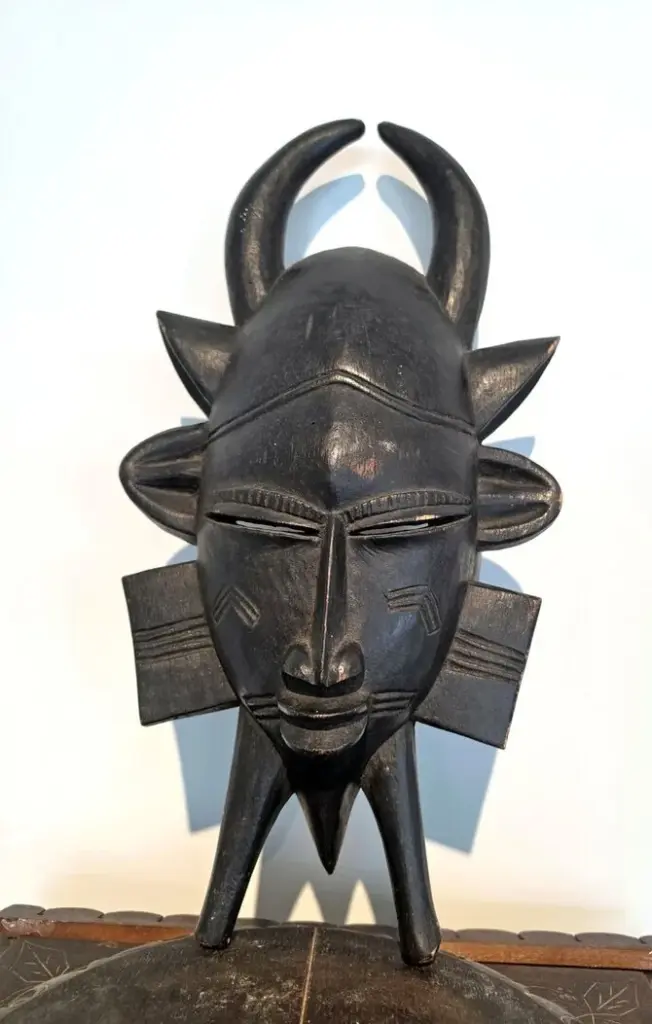
The collection was formed over several decades while Father Andriekus lived in the United States. It was not created as a systematic ethnographic expedition collection but grew out of his broad cultural outlook, connections with the art world, and conviction that the art of different peoples is an important part of humanity’s spiritual heritage. For Andriekus, art was a universal language connecting different civilizations and testifying to human creative nature. He collected artworks not out of a passion for collecting or personal ownership but to preserve cultural heritage and make it accessible to the public.
Living in the USA, especially New York, Andriekus interacted with artists, collectors, galleries, and museums, attending exhibitions and art fairs. This environment provided opportunities to acquire authentic works from various world cultures. African and Oceanian ritual masks entered the collection mainly through the legal mid-20th-century art market – from galleries, antique shops, collectors, or art dealers. This is evidenced by gallery labels, inventory numbers, and price markings remaining on many exhibits. The collection reflects not random gathering but a conscious effort to preserve the artistic and spiritual heritage of different cultures, which was later passed on to Lithuanian Franciscans.
Read more Due to June heat in Germany, the number of deaths increased by 32%.
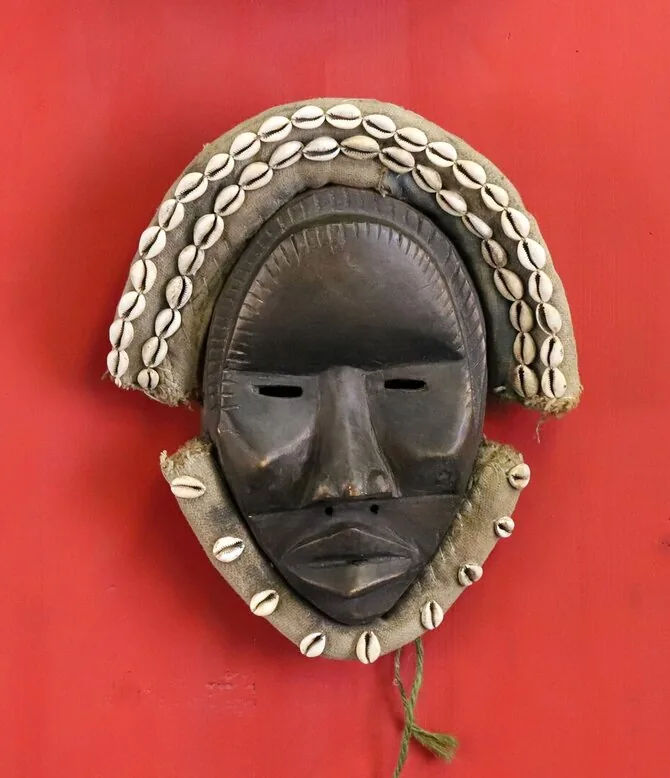
During that period, interest in traditional African art grew in the West, valued not only as an ethnographic object but also as an independent art form. Andriekus did not collect random souvenirs. He was interested in authentic objects with cultural and artistic value. The collection includes ritual masks, sculptures, textiles, and artworks from other world cultures.
The African and Oceanian masks exhibited in the exhibition were created for specific community purposes and still retain their symbolic meaning. They reflect the worldview of the peoples, their connection with ancestors, nature, and the spiritual world. Just as the works of blacksmiths from Lithuania Minor tell about the faith and traditions of that region, so do the wooden masks created by African and Oceanian craftsmen tell the stories of their communities.
The exhibition invites discovering not differences but commonality. It reminds us that regardless of continent or culture, humans have long sought ways to give meaning to their lives through creativity, express faith, and leave marks for future generations. Therefore, in the space of the Blacksmithing Museum, iron and wood meeting become not opposites but participants in cultural dialogue.