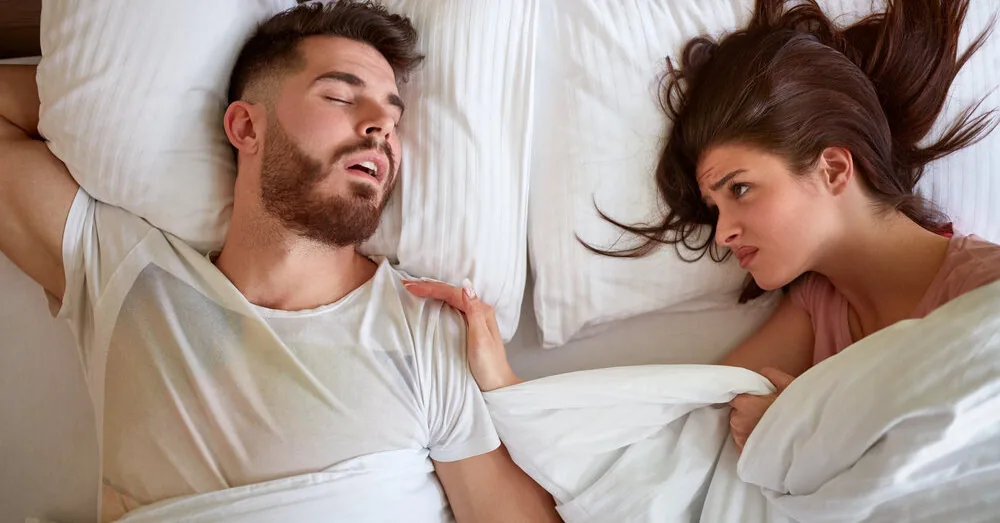
As stated in the press release by Gytis Žaldokas, an otorhinolaryngologist at the medical diagnostics and treatment center “Hila,” the most important thing is to find out why a person snores – in some cases, it may be a sign that the airways narrow so much during sleep that the body starts to lack oxygen.
Read more An exhibition of ritual masks of African and Oceanian peoples opens in Klaipėda
The causes of snoring can be very different
According to the doctor, snoring can be caused by very different reasons. For some, nasal mucosa swelling or anatomically narrow nasal passages hinder airflow, for others – an elongated uvula, enlarged tonsils, or incorrect tongue position during sleep.
“If the problem arises in the nasal area, in milder cases nasal strips, nasal dilators, or medications that reduce mucosal swelling may help. However, if significant anatomical changes are detected, such as a deviated nasal septum or very narrowed nasal passages, these measures alone are not enough – then surgical treatment is considered,” explains the doctor.

For some people, snoring is caused by incorrect tongue position during sleep. In such cases, myofunctional therapy may be recommended – special exercises aimed at increasing the tone of the pharyngeal muscles and maintaining the correct tongue position.
In milder cases, simpler solutions may also help – sleeping on the side or slightly elevating the upper body. According to the doctor, it is important to raise not only the head but the entire torso during sleep, using a special wedge pillow for this purpose.
Snoring can be a sign of sleep apnea
As the doctor notes, snoring is one of the most common symptoms of obstructive sleep apnea. It occurs more often in people who are overweight because the fat tissue accumulated in the neck area narrows the airways.
“In such cases, breathing may temporarily stop completely during sleep and then resume after a few seconds. Breathing pauses can repeat dozens or even hundreds of times per night, making sleep poor quality, although the person often does not even notice it,” says G. Žaldokas.
The most common signs of sleep apnea are loud snoring, breathing pauses noticed by close ones, morning headaches, constant daytime sleepiness, difficulty concentrating, and fatigue.
Read more Taurimas Valius – awkward situation: the seat to the right of Sinkevičius is already taken
According to the doctor, untreated obstructive sleep apnea increases the risk of high blood pressure, cardiovascular diseases, and stroke. Daytime sleepiness also increases the likelihood of traffic accidents. According to the American Academy of Sleep Medicine, untreated sleep apnea is also associated with more than a fourfold increased risk of premature death.
Why is it important to determine the real cause?
According to G. Žaldokas, people often hope that snoring can be solved with one universal remedy – a patch or spray. However, snoring can arise from very different causes, so treatment is selected individually in each case.
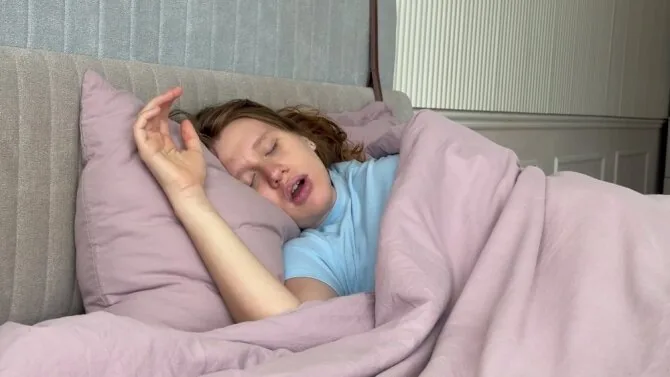
“First, it is necessary to determine where the airways narrow. For one patient, the problem lies in the nose, for another – in the soft palate, for a third – in enlarged tonsils or the tongue. That is why an otorhinolaryngologist’s assessment is essential before recommending treatment, as it allows determining the real cause of snoring,” emphasizes the doctor.
He states that the treatment method always depends on the identified cause of snoring. Some patients only need medication or special auxiliary devices, while others may be recommended minimally invasive procedures or surgery.
For some patients, depending on the cause of snoring, cryotherapy performed at this medical center may also be applied – a minimally invasive procedure during which very low temperatures affect altered nasal or pharyngeal tissues, thereby reducing chronic inflammation and promoting mucosal regeneration.
If obstructive sleep apnea is diagnosed, treatment depends on its severity. Some patients only need to reduce body weight or change sleep habits, others are prescribed a CPAP device that keeps the airways open during sleep. If airway narrowing is caused by anatomical changes, surgical treatment may be recommended.
Read more Due to June heat in Germany, the number of deaths increased by 32%.