This is the journey of Padure Manor (Padures muiža) through two centuries.
Calling and the Golden Age: A Scottish Dream in the Vastness of Courland
It all began in the fourth decade of the 19th century when John Lewis Balfour, a Riga merchant of Scottish descent, fell in love with this landscape and decided to create something extraordinary – a space where European elegance meets the tranquility of Courland’s nature.
Around 1840, a gem of late classicism and Empire style arose: magnificent manor palaces with spacious halls, masterfully crafted tiled stoves, luxurious silk wallpapers, a spacious English-style park, and even a rare innovation for those times – a special lift to carry food from the cellar to the kitchen.
Read more Attacked iron supplements: when can this element really be too much?

The Balfour family ruled here for generations, hosting receptions and filling the manor with life, intellect, and aristocratic calm. It seemed that this beauty would last forever.
Decline into the Abyss: Losses, Wars, and Oblivion
However, the 20th century brought painful trials. On October 19, 1920, the manor was shaken by tragedy – the last master of the Balfour family, Alfons Balfour, was murdered. Soon after came land reform, division of the manor, and nationalization.
Many thought this battle was already lost.
The shine of the golden age was replaced by harsh practical reality: first an agricultural school, then the darkest months of World War II, when a German military hospital was established in the manor.
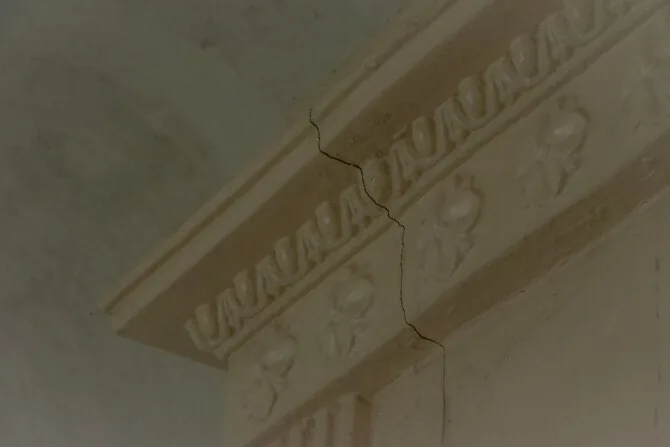
After the war, during the Soviet era, the Lower Courland Agricultural Experimental Station was established in the manor. Although the building avoided brutal reconstructions, it gradually lost its spirit. Wall paintings hid under layers of paint, wooden structures battled moisture, and after the station was closed in the 1990s, the palace remained empty, cold, and neglected. Many thought this battle was already lost.

Transformation and Return: When History Speaks Again
When the current owner Jānis Lazdāns took over the manor, he saw not an abandoned building but an untouched gem. A miracle smiled upon Padure Manor – it had never been brutally reconstructed or modernized. Beneath layers of dust and time lay original 19th-century doors, oak stairs, all 64 historic windows, stoves, and unique interior drawings.
Read more The United States calls on allies and China to support an economic campaign against Iran
Beneath layers of dust and time lay original 19th-century doors, oak stairs, all 64 historic windows, stoves, and unique interior drawings.
A long, patient, and very meticulous path of revival began. Instead of creating a sterile European-style renovation or plastic imitation, the manor owners decided to nurture true authenticity – every board, door handle, and stove tile here tells a living story.


A New Dawn: Living History for Lithuanian Travelers
Today, Padure Manor celebrates victory over time. It is not a frozen museum – it is a living, breathing space of culture and hospitality. Historical films are shot here (including the popular Latvian series “Pansija pilī”), concerts of French horns and chamber music resonate, and artists and photographers gather.
More and more travelers and event organizers from Lithuania are discovering Padure Manor as their special escape destination in Courland:
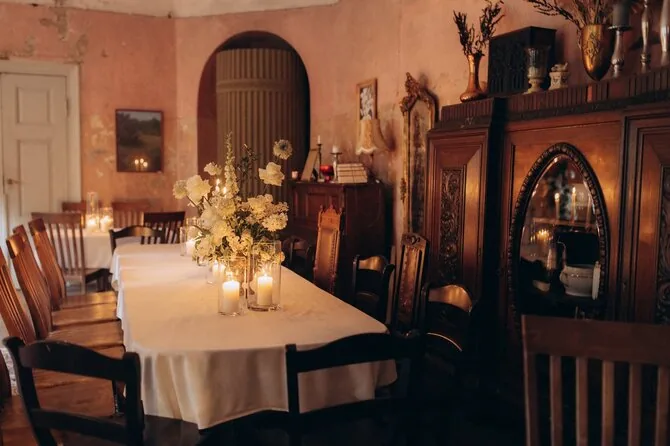
- For authentic weddings and celebrations: manor halls with 19th-century spirit create an unforgettable atmosphere for the most important moments in life.
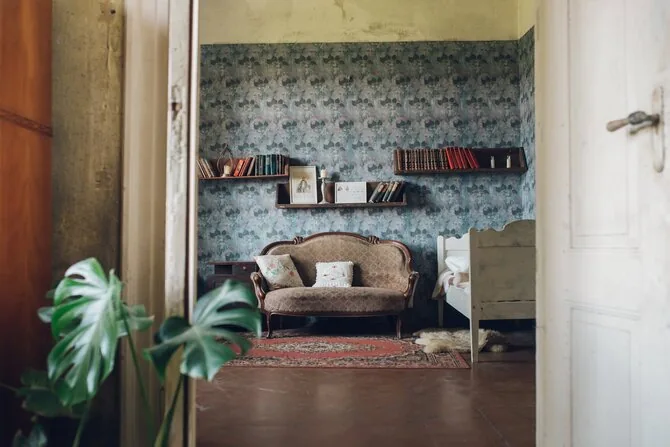
- For peaceful overnight stays in aristocratic tranquility: the opportunity to enjoy morning coffee with a view of the century-old park, where time flows noticeably slower.
- Gourmet and cultural experiences: private dinners, spiritual retreats, and personal tours by the manor owner, revealing secrets of two centuries.
Almost 200 years ago, J.L. Balfour’s cherished dream was reborn – as proof that true history and beauty do not disappear if there is someone who inspires them with new life.
More information about this manor can be found here.
Read more Robertas Puchovičius: «Nemuno aušra» will appeal the VRK decision on election financing