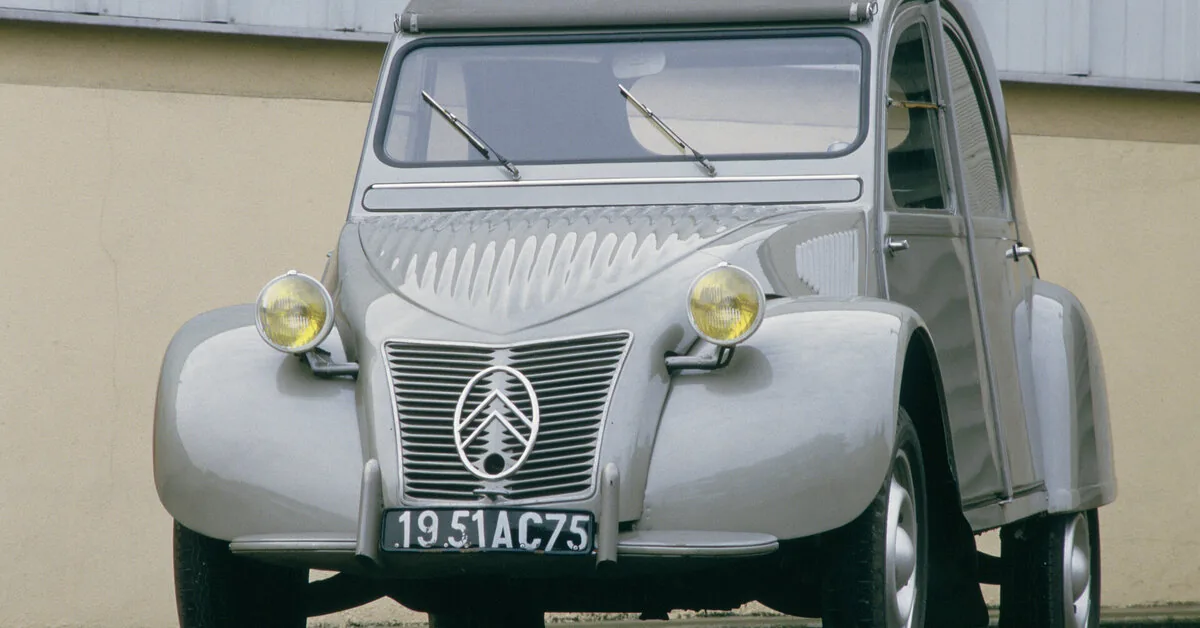
After conducting market research, the target audience and design criteria were very clear: French farmers needed a cheap and durable vehicle that could carry two farmers with 50 kg of potatoes or a barrel of wine; the car had to be adapted to drive on uneven fields and ensure that eggs placed in a basket on the back seat would not break.
Fuel consumption had to be only 3 liters per 100 km. The legendary Citroën 2CV, which was produced from 1948 to 1990, sold more than five million cars worldwide.
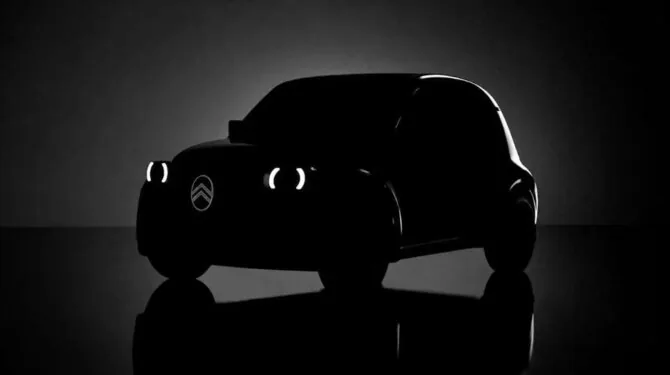
Now Stellantis has decided to revive this historic heritage and present the Citroën 2CV – a renewed fully electric passenger car, while continuing to focus on comfort, economy, and the price-quality ratio. The hints released so far confirm that the car’s exterior design will clearly be inherited from the past, and modern electric technologies will be hidden in the recognizable retro silhouette.
The main argument will be the price, which often deters potential electric car buyers. Stellantis plans to start producing new fully electric vehicles from 2028, with prices in Europe around 15,000 euros, and production taking place in southern Italy. Stellantis has clearly stated that their goal is to start producing electric cars whose production costs will be comparable to those of internal combustion engine cars.
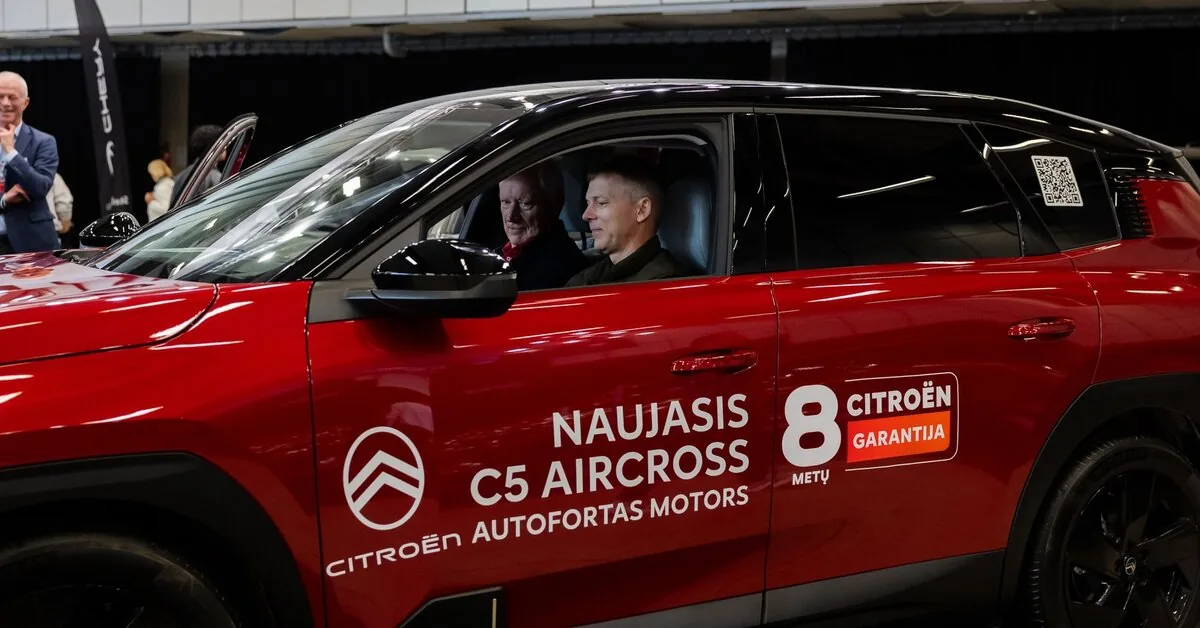
According to Margus Ilus, head of Citroën Baltics, such an electric car could also occupy a very clear place in the local market. In Lithuania, the average daily mileage of a car owner is less than 40 kilometers. This means that the vast majority of us could comfortably live our daily lives using a smaller, cheaper, and faster-charging electric car. An electric car at such a price is definitely awaited in the market and will ease entry into the world of electric vehicles,” said Ilus.
The Citroën executives themselves also confirmed that the upcoming 2CV will focus on the main features of the original 1940s concept. The development team focused mainly on a lightweight design, practical interior space, everyday practicality, and a very unique visual identity. The simple and functional car aims to attract those who want to enjoy an electric car at an affordable price and who are overwhelmed by the increasingly complex modern electric car technologies.