Most fires were caused by electrical equipment, devices, or installation failures – this year 8 fires were recorded for this reason, and last year – 16 fires. Fires are also caused by overheated lithium batteries, faulty chargers, and improper charging habits.
Read more The expert named the biggest mistakes of modern tourists: almost everyone makes them
Experts remind that some accidents could be avoided by timely noticing the first dangerous signs and following basic safety rules.
Among the causes – carelessness
According to the Fire Protection and Rescue Department, fires involving electronic equipment and lithium batteries also occur due to spontaneous combustion of materials – 2 such cases were recorded in 2026, and 4 in 2025. Last year, 2 more fires were caused by intentional human actions.
Incidents are also caused by vehicle electrical installation failures – 2 cases were recorded both this year and last year. Other vehicle malfunctions, explosions, and incidents also occur.
It is estimated that by 2028, about 129 million electric scooters and bicycles will be in use worldwide, and this number should be added to electric hoverboards, skateboards, unicycles, tricycles, and other devices. At the same time, electronic waste remains the fastest-growing waste stream in the world, so the threats related to their use and disposal are becoming increasingly relevant.
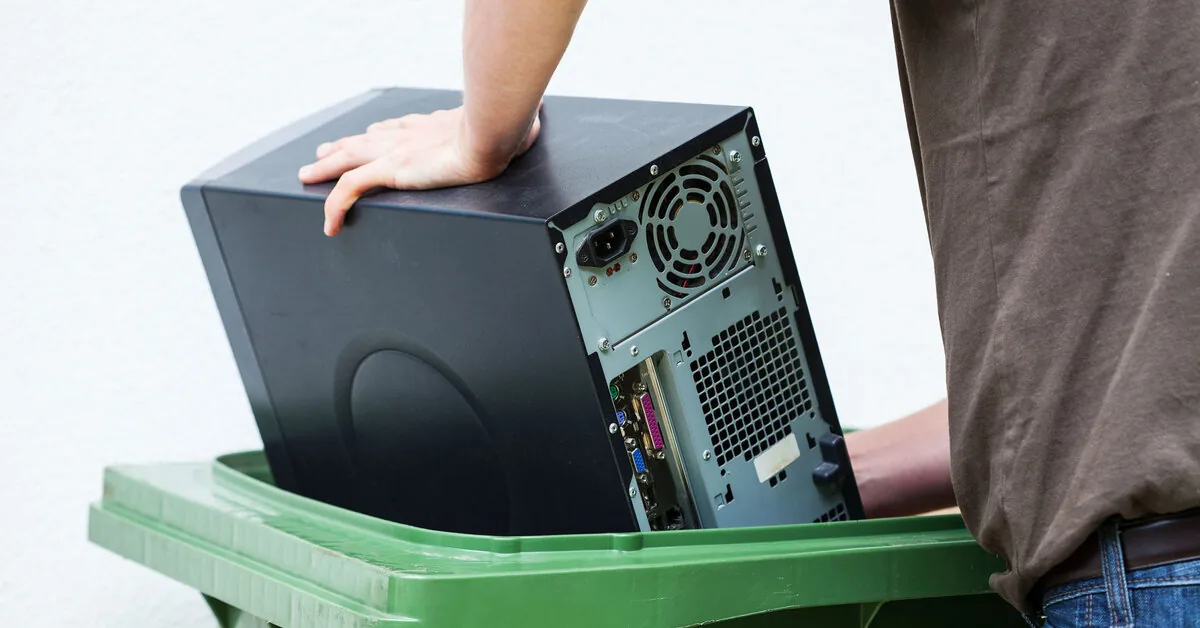
The fire risk is increased not only by faulty electrical installations, overloaded extension cords, but also by unattended devices and ignoring manufacturers’ recommendations. Additional risk is posed by outdated or technically worn-out devices – over time, their wires and internal parts wear out, increasing the likelihood of sparking and fire. Specialists recommend not storing such unusable devices at home, but handing them over to waste managers or recycling at special collection points.
Requirements are becoming stricter
Until now, EU countries had to collect 45% of portable battery waste placed on the market annually, but new targets are much more ambitious – by the end of 2027, this rate must reach 63%, and by the end of 2030 – even 73%.
In Lithuania, as in other EU countries, it is necessary to collect and manage at least 65% of all household WEEE waste, calculated from the average supply to the domestic market over the last three years.
However, a large portion of electronic and battery waste is still not properly collected – it ends up in mixed waste containers, is stored at home, or discarded in the environment.
The director of the Electronics Manufacturers and Importers Organization, Veronika Masalienė, reminds that old electronic toys, wireless headphones, or electric scooter batteries that end up in household waste containers are often compressed or damaged during transport and sorting. If a battery is damaged, so-called thermal runaway can occur, where the temperature rapidly rises to a very high level. Such fires spread quickly, release a lot of heat and dangerous gases, making them very difficult to control with conventional means.
Moreover, metals, acids, and other harmful substances in electrical and electronic equipment pose a threat to human health and the environment. Improperly managed devices and household appliances can release heavy metals, plastics, ozone-depleting gases, and substances dangerous to the nervous system, such as lead or cadmium, into the environment. Such waste can contaminate soil, water, and the atmosphere.
More convenient infrastructure for sorting
Unneeded small electronic devices, such as headphones, computer mice, hair dryers, or phones, can be brought to large shopping centers equipped with special collection containers. Batteries can be left in special boxes located in shopping centers, stores, offices, and various institutions.
Residents who have used refrigerators, washing machines, or other large household appliances can order free removal. This service is provided throughout Lithuania, and registration is done online on the “Man rūpi rytojus” website.
All types of electronic and battery waste can also be brought at any time to “Man rūpi rytojus” collection points, located in town centers and near large shopping centers in major cities.
All information about where and how to hand over unwanted batteries, old electrical and electronic equipment, or household appliances can be found on the website.
Experts emphasize that responsible battery sorting is important not only for safety but also for the circular economy. Valuable materials – lithium, cobalt, and nickel – are recovered from recycled batteries and later used in the production of new devices. For example, processing 3,000 tons of batteries can recover 42 tons of lithium, 335 tons of cobalt, and 166 tons of nickel.
“Used household appliances and electronics are not waste but an opportunity to create a sustainable, eco-friendly future. Electronics contain about 70 elements from the periodic table. So if unwanted phones, kitchen appliances, or refrigerators that have served for decades are stored in warehouses, it becomes a missed opportunity to conserve natural resources and contribute to a cleaner environment,” V. Masalienė pointed out.
Read more Invitation for Russia to attack: experts warned about a new danger