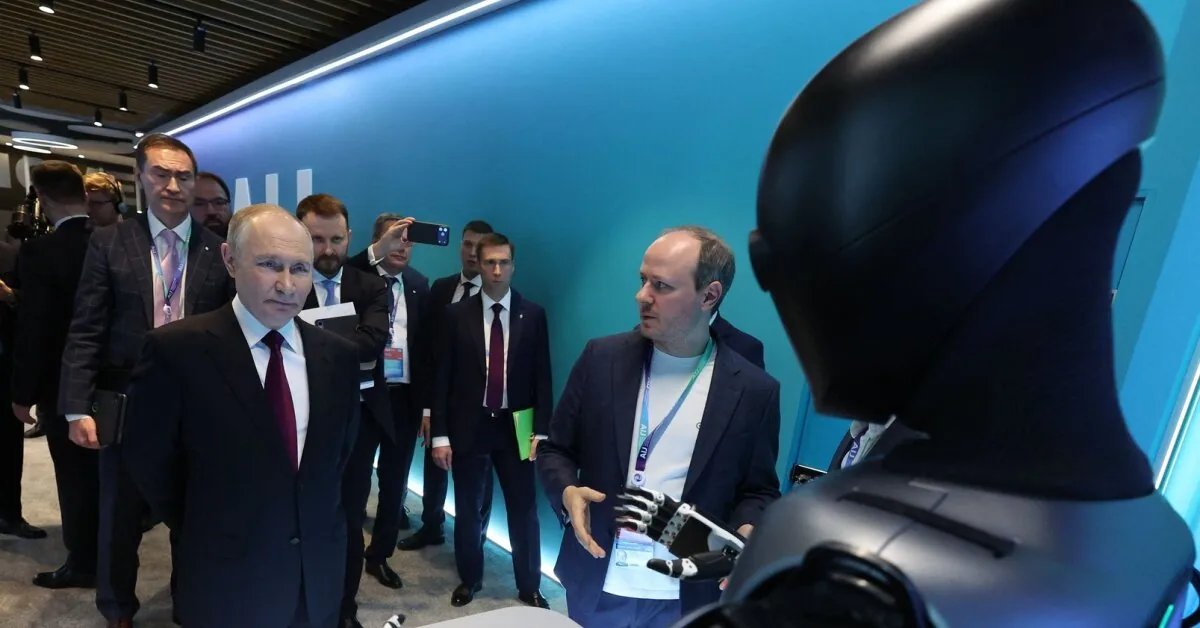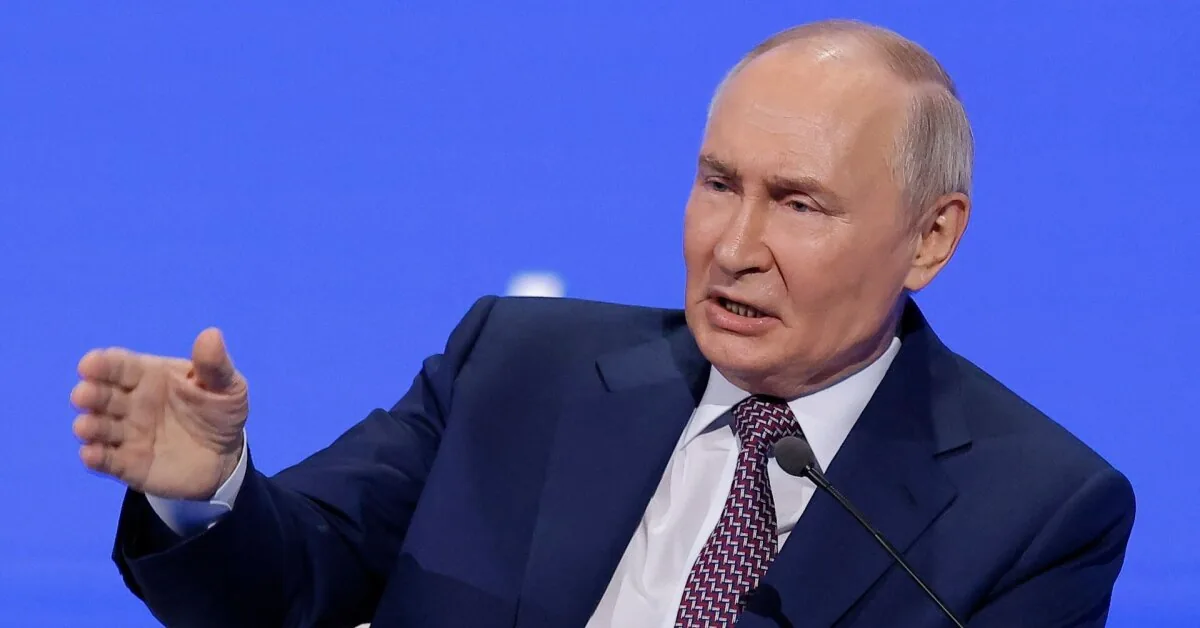
The Kremlin’s host Vladimir Putin is preparing for the so-called “Russia Davos,” which is expected to be attended by a right-wing US opinion leader, a senior US official, and one of Germany’s retail billionaires. Meanwhile, the Kremlin faces economic stagnation and a deadlock in relations with the West over the war in Ukraine.
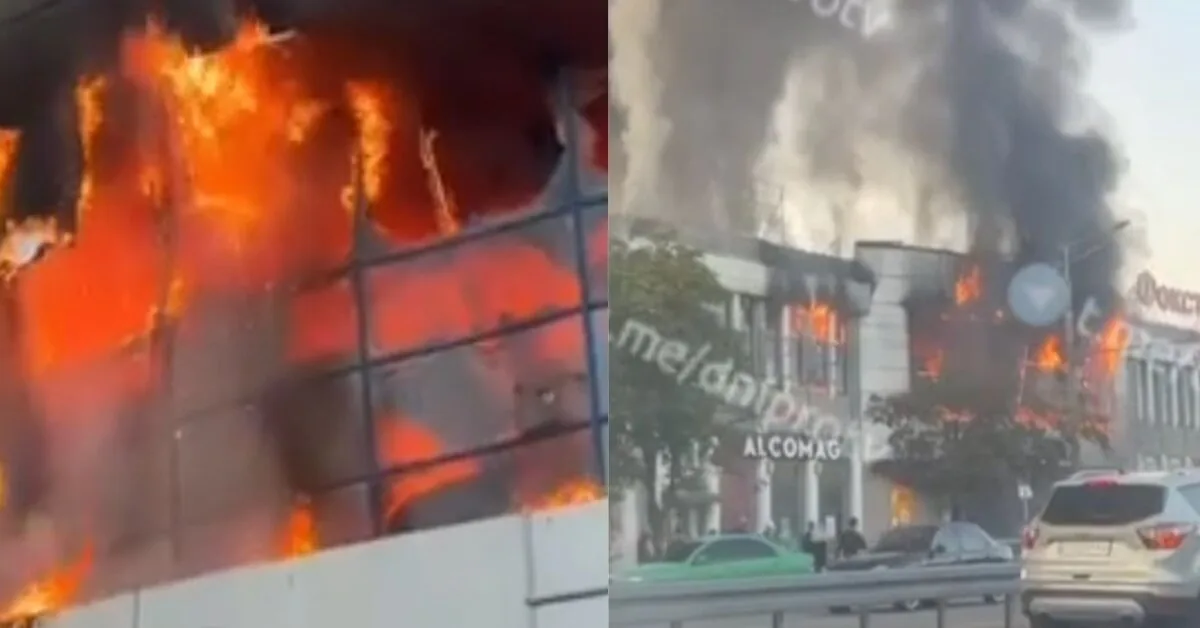
The main Russian investment forum, the fifth since the start of the 2022 invasion of Ukraine, begins just hours after a deadly drone and missile strike on Kyiv. Russia claims this was a response to a strike on a dormitory in the Russian-controlled Luhansk region.
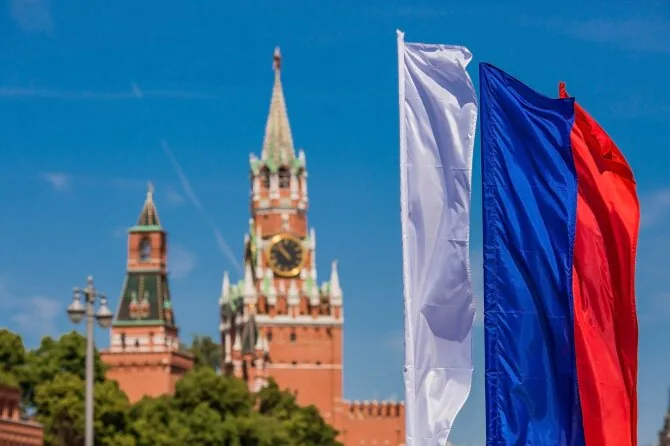
Although Ukraine is not mentioned even once in the official forum program, the war, according to the news agency Reuters, is felt everywhere.
“The question is: will this war end, or are we facing a much more difficult future?” said one Russian forum participant, who wished to remain anonymous.
Putin’s economy
V. Putin, who has led Russia as president or prime minister since 1999, significantly contributed to the country’s economic prosperity growth during the first 15 years of his rule. According to the International Monetary Fund, by 2013 Russia’s economy had grown tenfold and reached about 2.3 trillion US dollars in value – a year before the annexation of Crimea.
Since then, Russia’s economy has paid the price for the conflict with the West over Ukraine. Despite better-than-expected growth in 2023 and 2024, it is forecasted that this year its size will be about 2.9 trillion US dollars. For comparison, the total economic capacity of NATO countries is estimated at about 45 trillion US dollars.
Read more Mojtabos Khamenei advisor promises a «rocket flood» if the US attacks Iran again
Russia’s economy, dependent on raw material exports, slowed to about 1 percent growth last year, while growth in 2024 was 4.9 percent. In the first quarter of 2026, the economy contracted by 0.2 percent. Officials attribute this to high interest rates, Western sanctions, and a strong ruble.
This year’s growth forecast is only 0.4 percent.
The choice
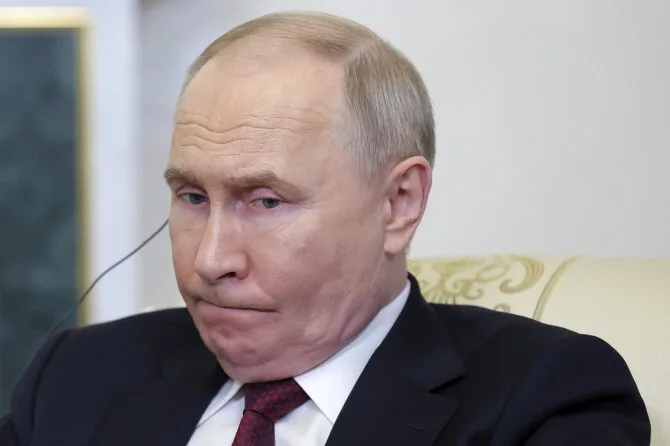
Former deputy chairman of the Russian central bank Oleg Vyugin says Russia faces a choice: either economic recession or reducing spending on the war in Ukraine.
“Russia has to choose: either reduce military funding, which would encourage economic growth through faster base interest rate cuts, expansion of credit to the civilian sector, partial easing of sanctions, and restoration of supply chains; or continue to finance the military-industrial complex, which will constantly require more funds and new taxes, further pushing the economy into recession and reducing real incomes of the population,” explained O. Vyugin.
Other news about the war in Ukraine
It was previously reported that V. Putin remains convinced of Russia’s victory and, according to analysts, misjudges the situation on the front. Because of this, he does not want to reduce defense spending, believing that Russia can still achieve a military victory.
There was also analysis of what outcome V. Putin’s regime is approaching. Although the Russian army struggles to achieve a breakthrough on the front, the Kremlin has fewer and fewer escalation options to change the situation. Forced mobilization would provide Russia with additional forces but would be extremely unpopular among the country’s population.
Read more Forget about holidays in one country: here is how Lithuanians visit 3 countries in one flight