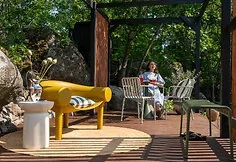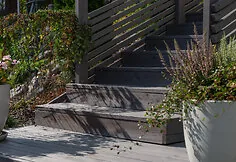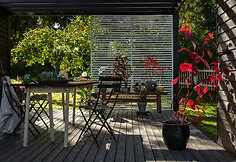
According to interior and exterior architect Gitana Valavičiūtė, the first thing to answer is one question – is the terrace part of the house or a separate yard element: “Wooden terraces can be composed next to houses or separately. This determines the principles by which the oil color will be chosen.”
Read more The water bus will start a new season
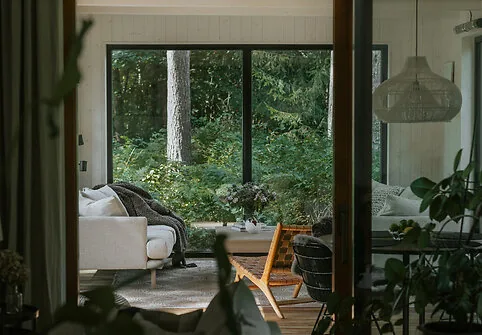
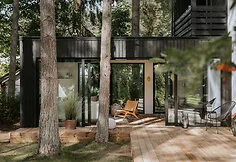
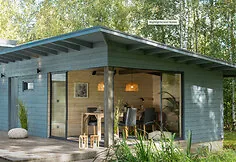
When the terrace visually becomes an extension of the interior, the house looks bigger and more solid.
When the terrace becomes an extension of the home
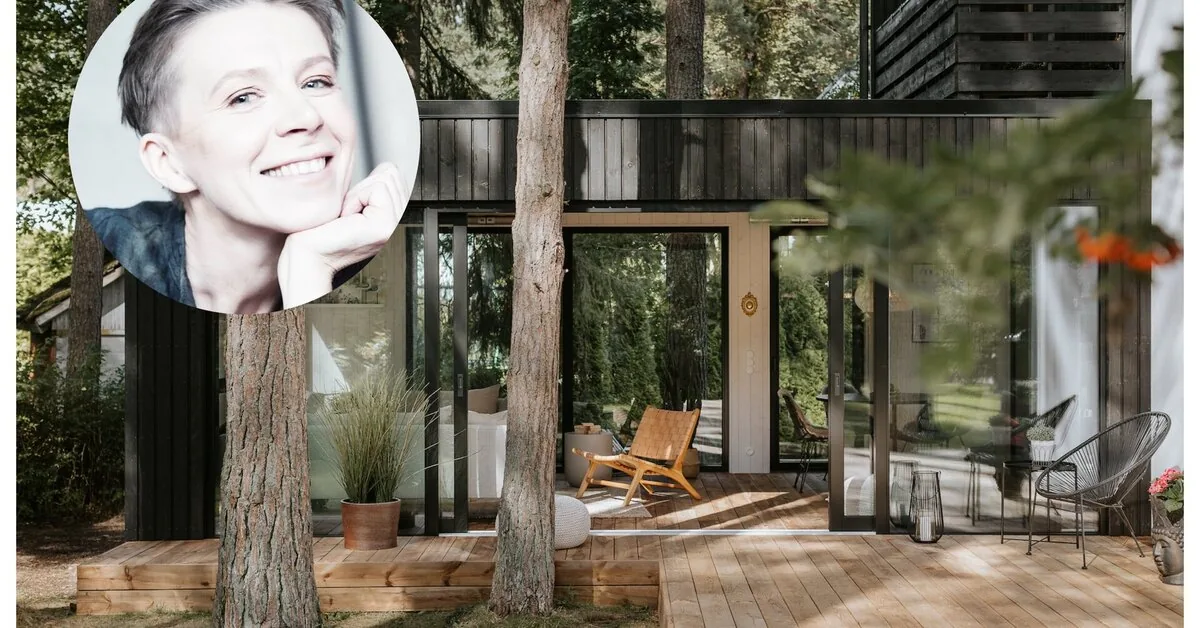
If the terrace is installed next to the house, according to the architect, the interior and exterior should form a harmonious whole. “Now this is considered one of the strongest and most durable trends, when the terrace visually becomes an extension of the interior. Then the house looks bigger and more solid,” she says, adding that in such a case the most important principle is connectivity. Usually, it is the interior spaces that dictate the decisions outside.
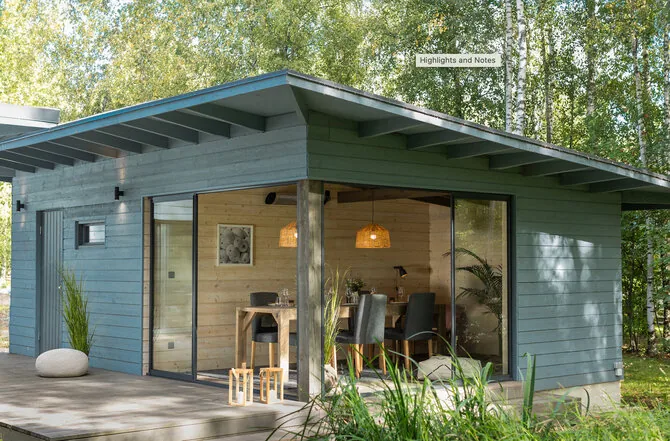
If the house has light floors, usually a lighter terrace fits as well, but it can be one or two tones darker. If darker floors are used in the interior, the specialist advises choosing a shade one or two tones lighter outside rather than an identical shade.
Architect G. Valavičiūtė emphasizes that interior and exterior floors do not necessarily have to be the same. The most important thing is to maintain a similar color character and the same “temperature” feeling, for example, warm gray, sandy, or stone shades.
She notes that today many modern homes feature warm gray, natural, Japandi style tones, so it is important to choose wood shades that naturally match them.
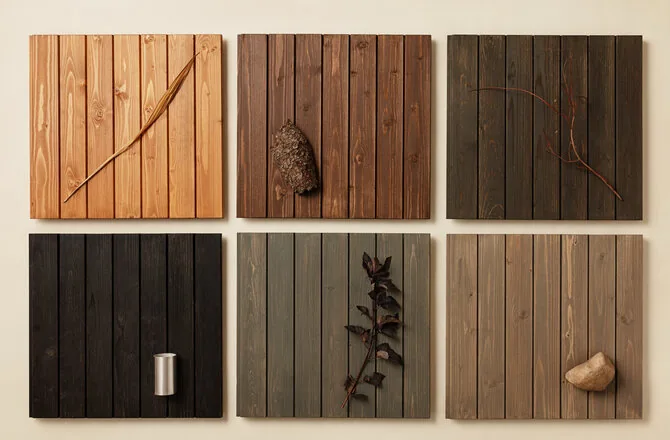
The architect points out that the “Tikkurila” wood stains and oil color range “Valtti” offers more than one shade suitable specifically for such modern interiors: “The wonderful thing is that the oil does not hide the wood grain, so it fits perfectly with the natural environment and is very attractive. Moreover, it not only colors but also protects the wood from sun and rain exposure.”
The biggest mistake – chasing contrasts and trends
One of the most common mistakes, according to the architect, is overly bright solutions. She recommends avoiding bright orange tones, which often look artificial and have nothing to do with the natural environment.
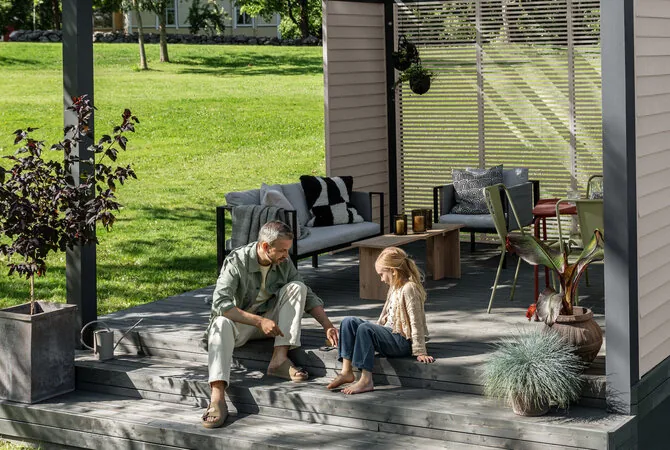
It is also not advisable to create very bright contrasts between interior and exterior spaces. “It would be a mistake to make a sharp contrast: inside there is Scandinavian light oak, and outside – dark mahogany,” the interviewee gives as an example.
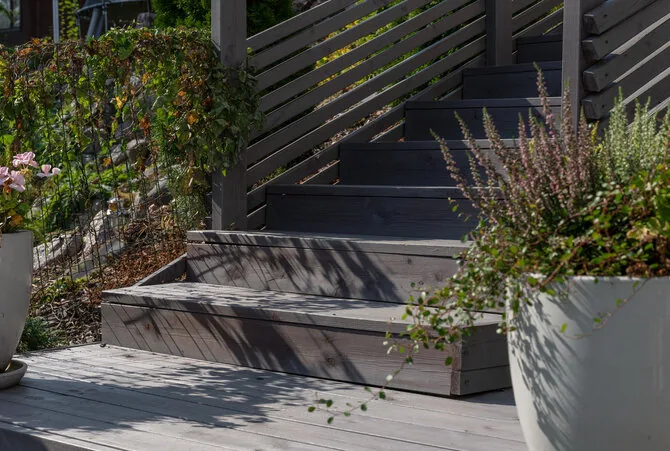
Although dark gray or black terraces often look very modern today, they are not always the most practical choice.
Architectural unity is the best choice.
According to the architect, if the terrace is on the sunny side, dark surfaces heat up strongly, and dirt is more visible on them. “Architectural unity is the best choice. Much better than changing fashions,” she is convinced.
A separately installed terrace has its own character
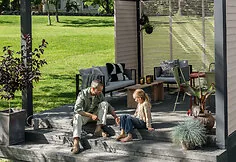
If the terrace is not directly connected to the house and is installed separately, the rules change a bit. “Then it becomes part of the garden’s small architecture and can have its own character. More contrast and depth can be used,” says G. Valavičiūtė. In such a case, decisions are usually dictated by greenery and sunlight.
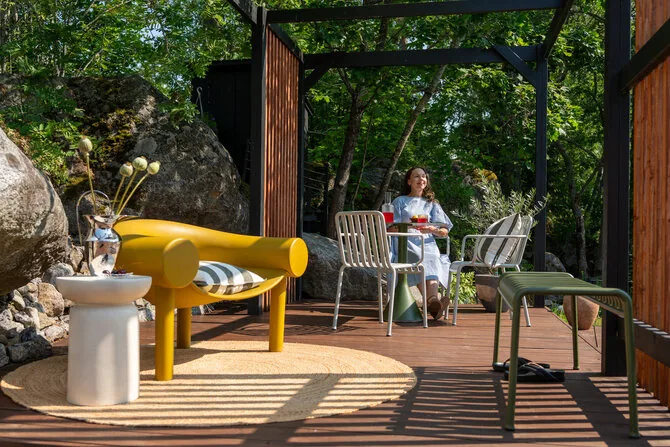
If the terrace is surrounded by greenery or spends most of the day in partial shade, richer tones often look more natural and even more luxurious than light ones.
Read more A decomposing male body found in a barn in Ukmergė district
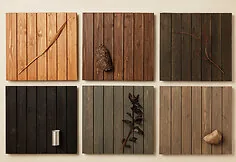
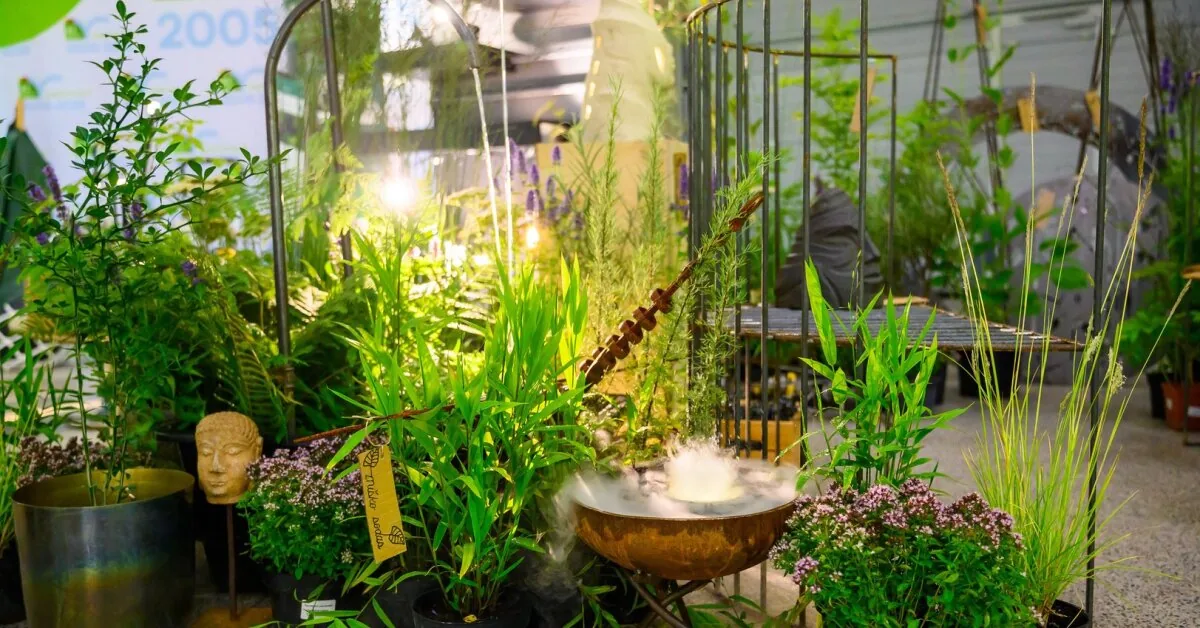
According to the architect, plants “absorb” part of the color intensity, soften dark shades, highlight the wood texture, and help create the so-called “garden room” feeling. In such places, she suggests choosing dark walnut, smoky brown, espresso brown, brownish charcoal, or even blackened wood tones.
However, recommendations are different on the northern side: “There you should avoid very dark and cold shades. It is better to choose more visible wood texture. Warm brownish or yellowish gray tones look good.”
In a sunny place – medium tones
On the sunny side, colors fade over time, and contrasts become even more pronounced. Therefore, in such places, the interior and exterior architect recommends choosing medium saturation shades – grayish brown, soft walnut, or aged wood tones.
“Cold gray, which looks lifeless in the sun, and very dark tones, which heat up, should be avoided,” she notes.
According to G. Valavičiūtė, a medium-tone terrace looks especially good when there is not too much greenery around. However, a completely unplanted terrace is also not the best solution.
“Based on environmental psychology, a person feels very good in the shade of trees. This is related to our collective subconscious. Therefore, it is not only beautiful but also beneficial to plant one or two small 2–3 meter trees near the terrace,” advises the architect.
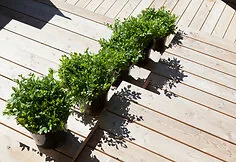
Leaves moved by the wind on the terrace create a constantly changing play of shadows, which gives the environment more life and coziness.
Before choosing a color, perform a simple test
Specialists point out that when choosing a terrace color, it is important to evaluate not only the desired result but also the current condition of the wood.
The final shade will depend on the current color of the wood, its condition, and absorbency. If the wood is light or neutral, achieving the desired result is usually easier.
“Tikkurila Valtti Plus Terrace Oil” deeply penetrates the wood and creates long-lasting protection that can last up to five years. This oil can be tinted in various shades or you can choose ready-made black, gray, and brown versions.
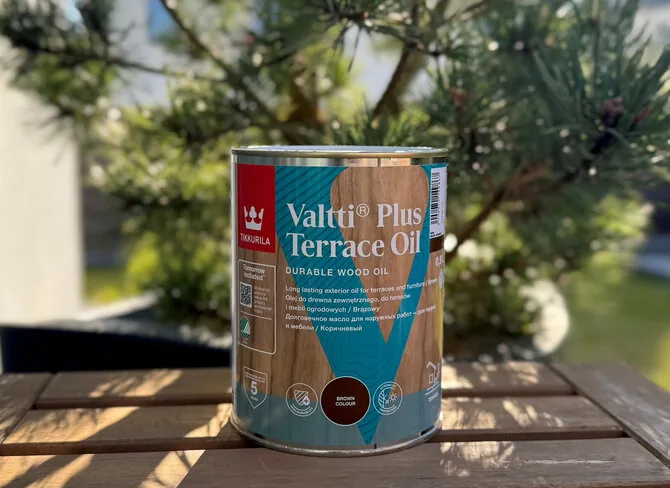
It is also important to know that today colorless oil can already be used for outdoor wood. However, it has fewer UV filters than colored products, so in sunny places the wood may need to be renewed more often. For this reason, colorless oil is more suitable for places with less direct sunlight.
Still, before making a final decision, specialists recommend testing the chosen color on a small, less visible board area. Only then can you see how a particular shade will look on your terrace wood and whether the result meets expectations.
Read more New neighborhood in Šnipiškės expands: four more houses completed