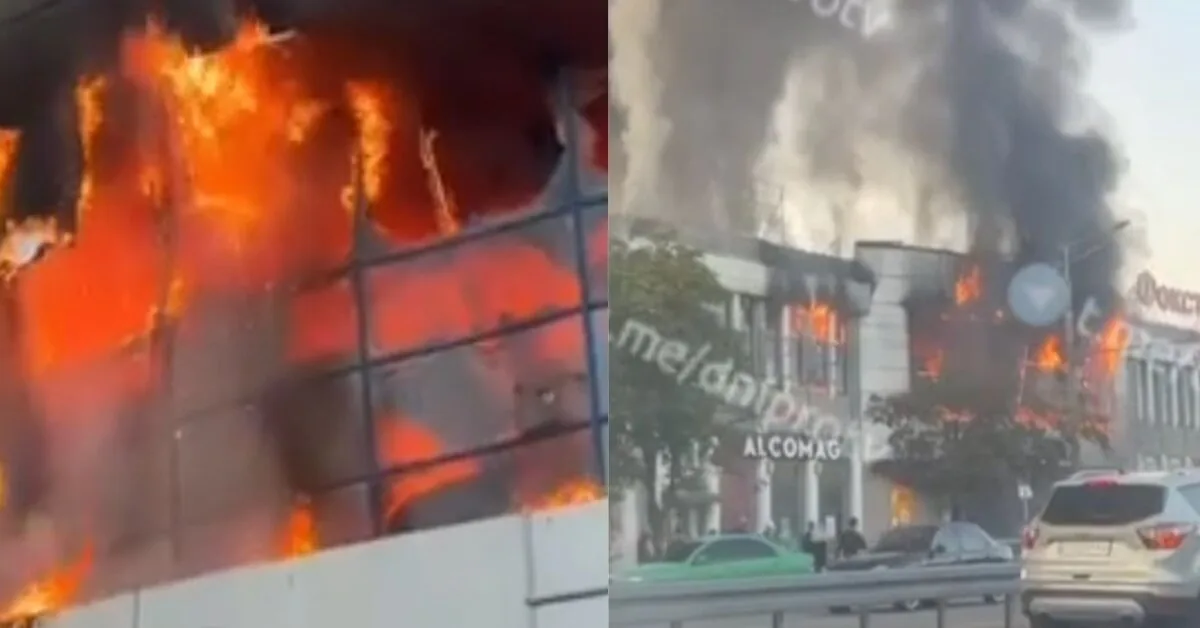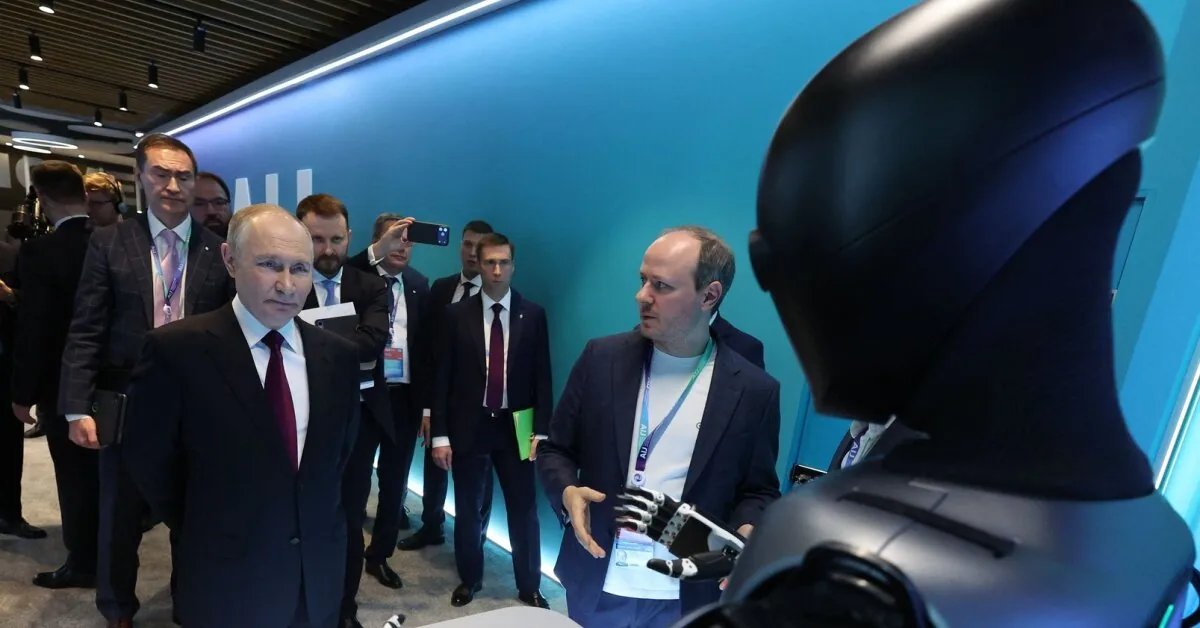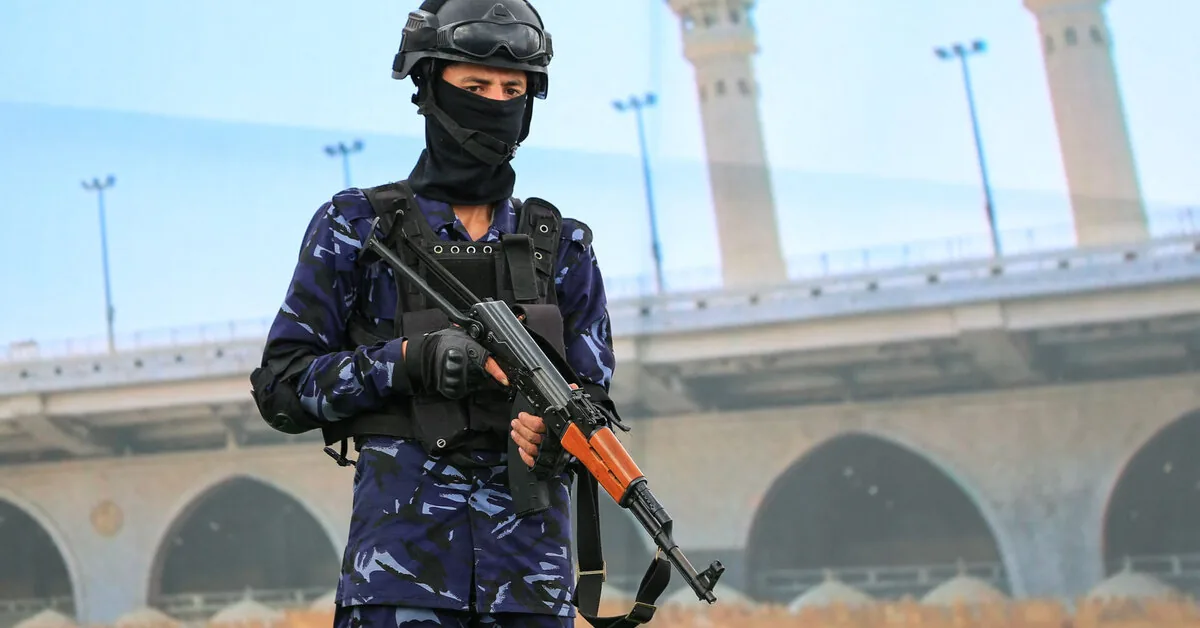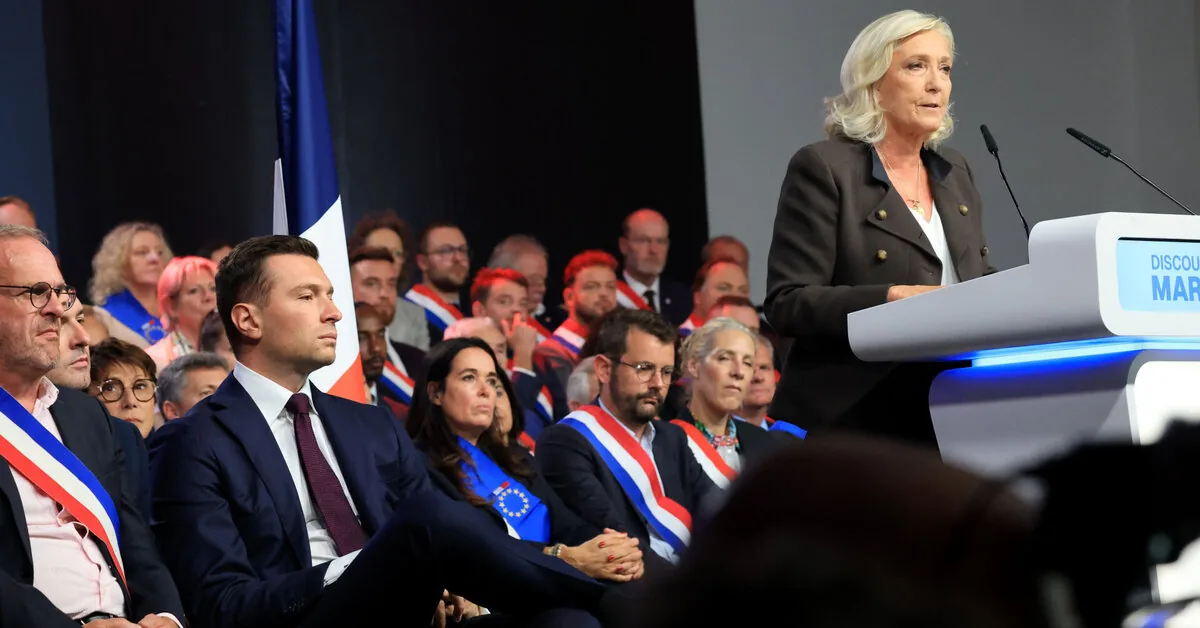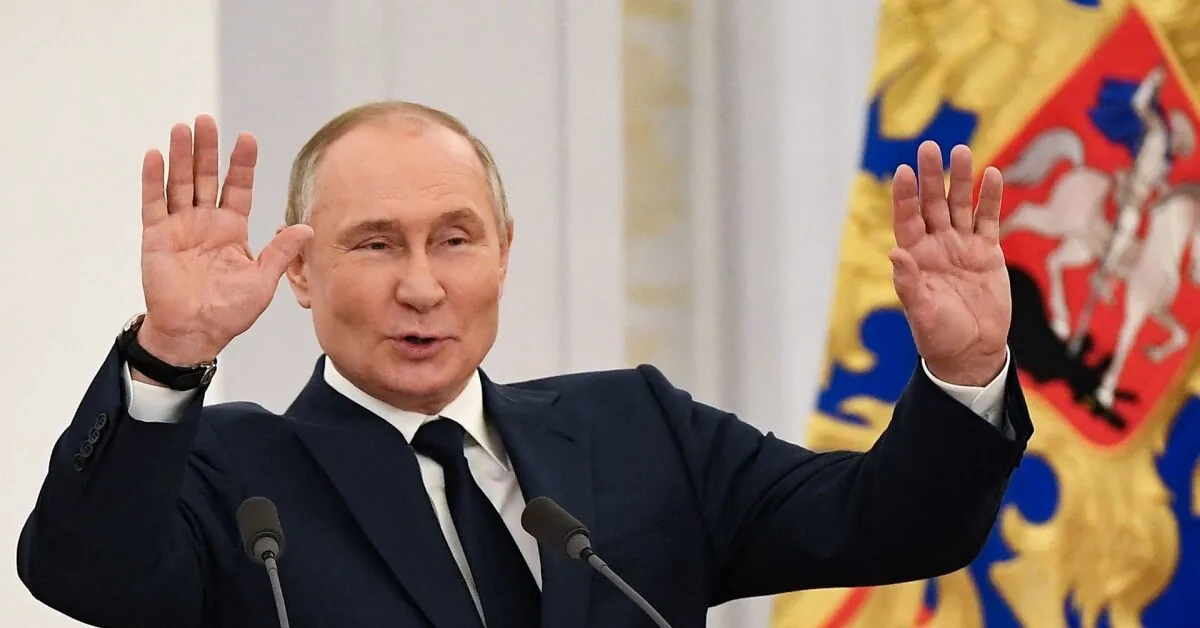
Clashing of arms and loud threats – both aggressive rhetoric urging Western embassies to leave Kyiv and increasingly intense and brutal missile and drone strikes on Ukrainian cities – may be an attempt to force Washington and Kyiv back to negotiations, writes The Washington Post, citing European officials and analysts.
Read more Sparingly before the most important fights: Belgians confidently dealt with the Croats
In other words, Kremlin host Vladimir Putin needs to find a way out of the current situation.
Escalation for the sake of negotiations
Pressure on V. Putin to end the war is only increasing in Russia. The country’s offensive has hit a dead end, finances are rapidly depleting, and Ukraine is increasing the number of long-range strikes. As a result, the Kremlin is increasingly rattling weapons and loudly threatening to attack Kyiv, blaming Europe for continuing to support Ukraine.
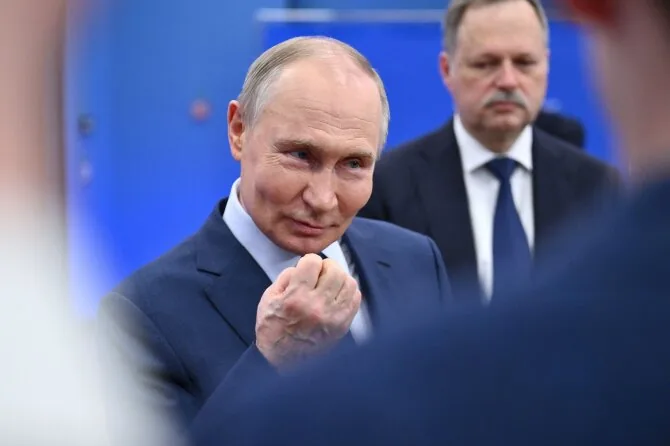
According to anonymous European officials, Russia is escalating its aggression precisely because of accumulating difficulties inside the country. According to the article, this may primarily mean Moscow’s attempt to renew peace talks to reach an agreement on its own terms.
Recently, an analysis published in one of Russia’s most important foreign policy journals, Russia in Global Affairs, stated that V. Putin’s war goals are currently unattainable, and the report became another sign of growing discord among Russia’s political leadership.
Russian scientist Vasily Kashin noted in his analysis that due to constant Western aid to Kyiv and rapid innovations, Russia cannot surpass Ukraine in military equipment and technology.
“The war is being fought between relatively equal opponents. Historically, such wars rarely ended with the complete destruction of one side. Practically, the elimination of an anti-Russian regime is essentially impossible without a full military occupation of the entire country for a long time. This is technically impossible for Russia,” he said.
The article states that although Russia tries to present its strikes on Kyiv as an act of revenge for Ukraine’s offensive, in reality, this may be Moscow’s attempt to regain the initiative during the summer offensive, which may have turned out to be tougher than expected. The reasons for such problems on the front include the increased number of Ukrainian drone strikes on Russian logistics facilities.
According to journalists, V. Putin possibly still believes that his army is capable of capturing the remaining part of the Donetsk region “within a few months.” In this context, he may be planning to renew peace talks. However, experts say that without additional efforts, the Russian army is only capable of stagnation.
“Moving in the wrong direction for Putin”
Tatiana Stanovaya, senior fellow at the Carnegie Moscow Center, assessed that events seem to be turning against Russia.
“Russia’s military advantage is beginning to diminish, and Ukraine is expanding the geography and intensity of strikes, while the US has paused negotiations,” the expert explained. “All this creates a feeling that things are moving in the wrong direction for Putin.”
“To a large extent, escalation is the only way to respond to a situation that cannot be controlled,” she added.
Meanwhile, Estonian Foreign Ministry Secretary General Jonatan Vseviov warned in a post on the social network X that the Kremlin’s attempt to escalate tensions with NATO is “the last attempt to lure the West into negotiation traps, divide support for Ukraine, and divert us from our course.”
On Friday, V. Putin reiterated a statement made earlier this month for the first time that the intensity of Russia’s battles means the conflict in Ukraine is “approaching its end.” However, he provided no evidence to support this.
Fragmenting economy
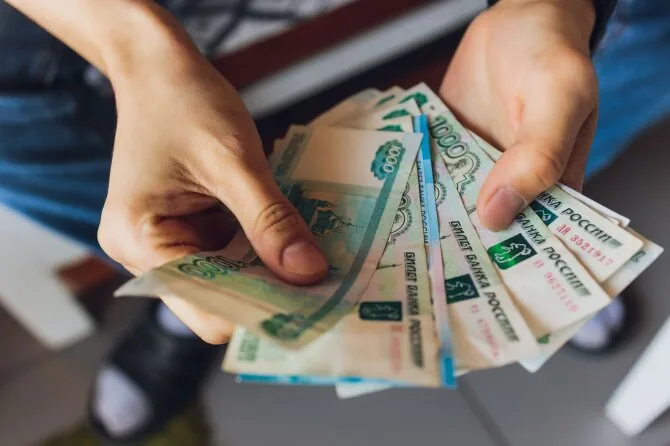
Economic conditions also pose problems for Russia. Despite the sharp rise in oil prices due to the war in the Middle East, Russia is increasing military spending by taking funds from the civilian sector. According to Janis Kluge, an economist at the German Institute for International and Security Affairs, a large budget deficit will continue to accumulate and will be most noticeable in the regions.
Additionally, Russia faces the problem of replenishing its army with new recruits. Considering this, European officials predict that Moscow may be forced to announce an unpopular mobilization after the parliamentary elections in September.
However, other officials believe that the Kremlin is more likely to be forced to stop the war rather than start a new wave of conscription.
“The reason they haven’t done it and continue not to do it is because Russia may want to stop the operation as it is unsustainable for them,” said one source.
Ukrainian President Volodymyr Zelensky noted that there is now an opportunity to negotiate with Russia. According to him, this became possible because the Russians began to lose the initiative on the battlefield. He urged finding a diplomatic solution with Russia before the start of winter.
Read more Outraged by the «organ elite» project: what does the shocking idea of «bodyoids» really hide?