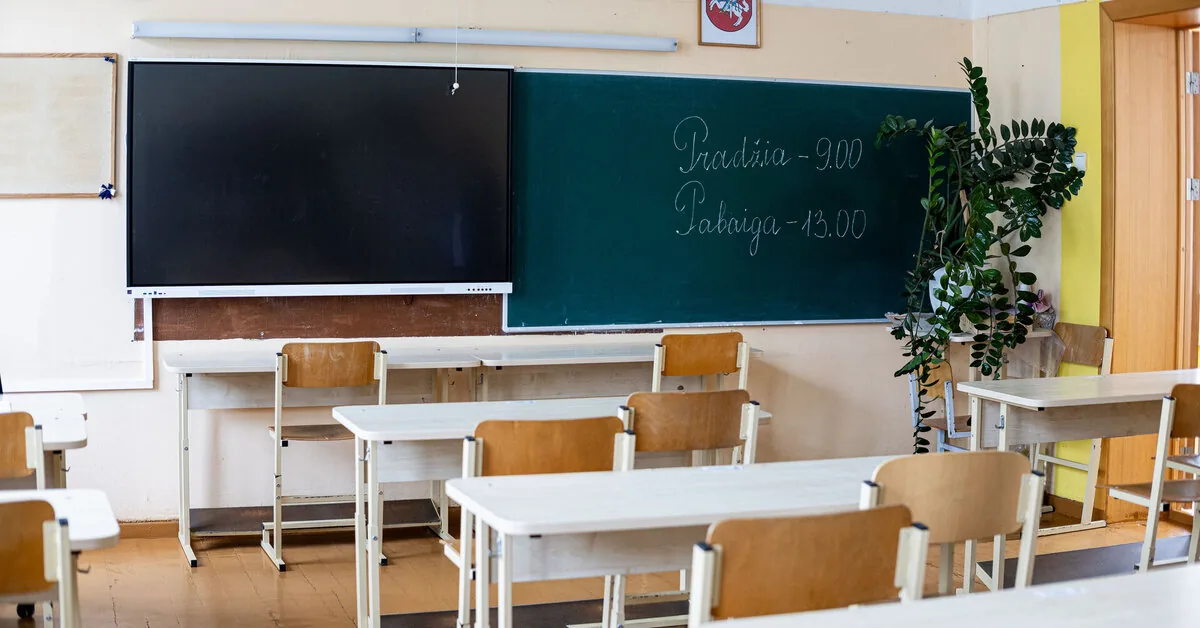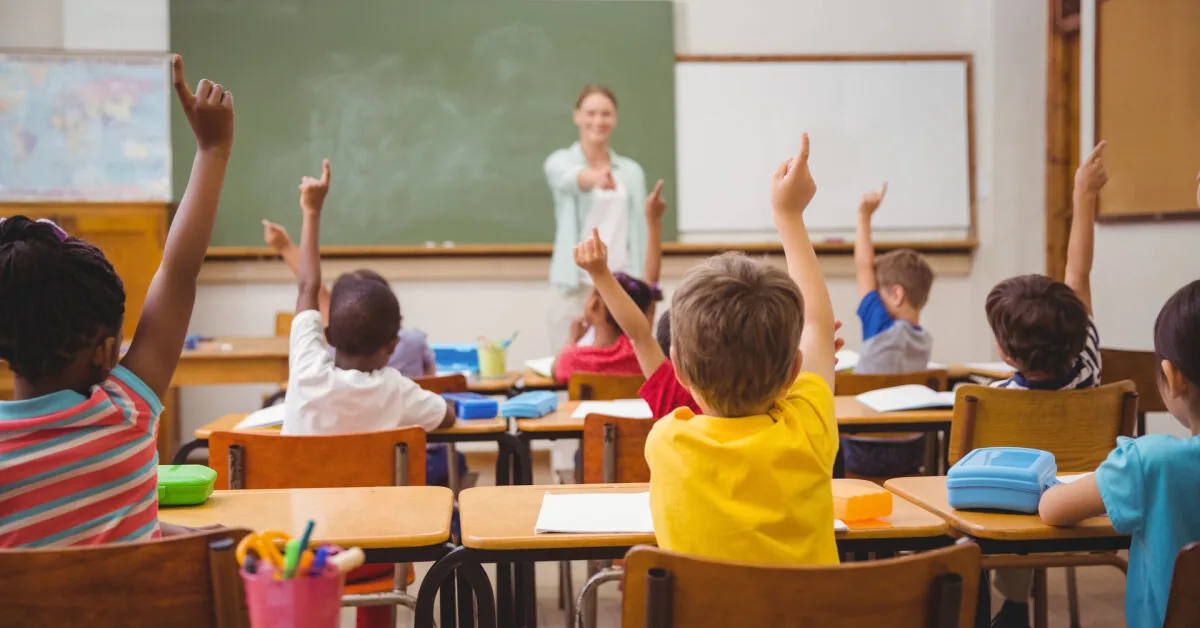
„In Lithuania, all preschoolers are educated according to a unified program that helps children prepare for school through play, exploration, and creation. By playing, exploring the environment, conducting simple experiments, or completing age-appropriate tasks, children become familiar with the basics of reading and writing and learn mathematical operations. Therefore, every child enters the first grade with different but sufficient abilities to start learning,“ says Jonas Petkevičius, Deputy Minister of Education, Science and Sports.
Read more Mirus 48 metų mylimai mokytojai – a heart-wrenching letter from a priest is spreading
The most important thing is not a race, but the child’s development
All children are different. Some start reading at four, others at six are just learning to recognize letters. This is natural.
„Therefore, parents should not rush to hire tutors or set too high expectations. Much more important is to communicate with the child, play, read together, and encourage their natural curiosity. Parents’ attitude is a key factor. The child sees school through the eyes of the parents. If parents talk about school calmly, positively, and without fear – the child feels the same. The most important thing is not to transfer anxiety to children and to show that school is a safe, interesting place where they will grow and discover,“ emphasizes J. Petkevičius.
What should a future first grader know?
Basics of reading and writing
In preschool, while learning the basics of reading and writing, a child learns to distinguish letters from other signs and symbols, associate sounds with letters, read simple texts, write in printed letters, and hold a pen properly.
A child entering the first grade is not required to read fluently, but it is expected that they:
Read more Potato season has started: how not to be fooled when buying «Lithuanian» potatoes
- recognizes most of the alphabet letters;
- understands where the beginning and end of a book or page are;
- can write their name or a simple word combination in printed letters;
- uses words correctly according to number and gender (“two apples,” “two stars”);
- reads short simple sentences and can briefly retell them;
- can tell a story they invented;
- distinguishes a poem from a story;
- correctly associates sounds with letters.
Basics of mathematics
A future first grader should:
- count forward at least to 20, backward from 10;
- perform simple addition and subtraction up to 10;
- associate numbers with the actual quantity of objects;
- sort and group objects by color, size, or shape;
- compare objects (longer–shorter, heavier–lighter).
Social and emotional skills – no less important
These skills often determine a successful start to school. It is expected that the child:
- can communicate with peers and adults;
- follows agreements and rules;
- recognizes emotions (their own and others’) and names them;
- listens to instructions and completes tasks;
- finishes started activities;
- can ask for help;
- accepts failures and tries again;
- is curious about the environment, asks questions, explores;
- can dress independently and organize their belongings.
What is definitely not required from a first grader?
It is important to know that a child entering the first grade is not required to:
- write in cursive letters;
- write without mistakes;
- read longer, more complex texts fluently and correctly;
- perform operations beyond 20;
- create complex, coherent texts.
These are tasks for school, not prerequisites.
How can parents help their child prepare?
The best help is very simple:
- read together every day;
- talk about what the child sees and experiences;
- play educational games;
- encourage asking questions and exploring;
- support and praise efforts, not just results.
The most important thing is to create a safe and supportive environment.
Main message
Preparation for school is not just letters and numbers. Much more important is that the child is curious, brave to try, and not afraid to make mistakes.
Let the child grow at their own pace, play, and enjoy childhood – this is the strongest foundation for a successful start to school.