Although women’s health aspects often receive less attention, data from the study initiated by “Eurovaistinės” – the National Well-being Index (NWI) – show that in certain areas of daily well-being, women face greater challenges compared to men, according to a press release from the pharmacy network.
At first glance, the overall NWI scores for women and men are quite similar – the results of the three components of the index (physical health, emotional health, sense of happiness) differ statistically little by gender. However, differences become apparent when analyzing individual questions.
The NWI revealed that women’s well-being is much more influenced by psychological state – stress, anxiety, and fatigue – than men’s. Psychological condition as a factor affecting well-being is indicated by 34.4% of women and 22.7% of men, while 24.4% of women experienced psychological or emotional problems in the past month compared to 15.9% of men. Nearly twice as many women as men often feel anxiety – 12.3% and 6.8% respectively – and stress – 44.3% of women and 32.3% of men.
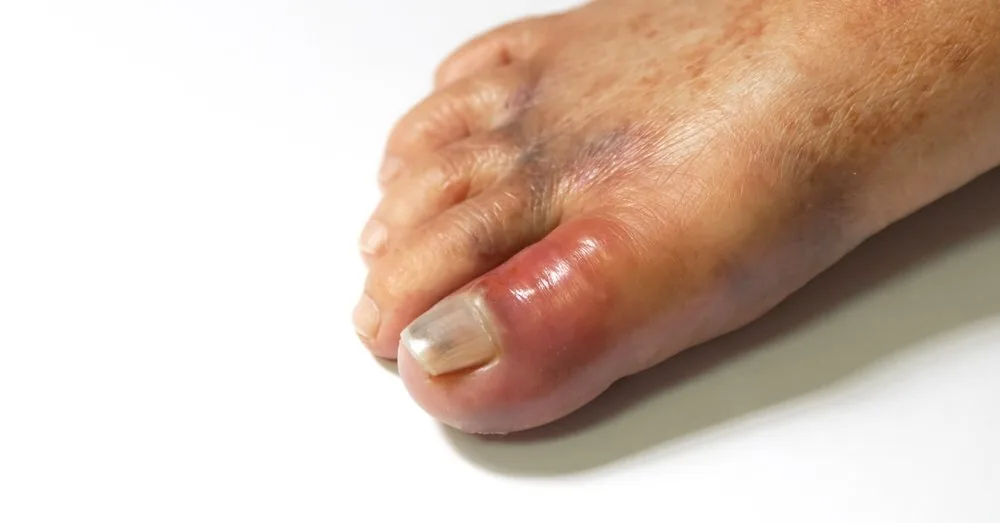
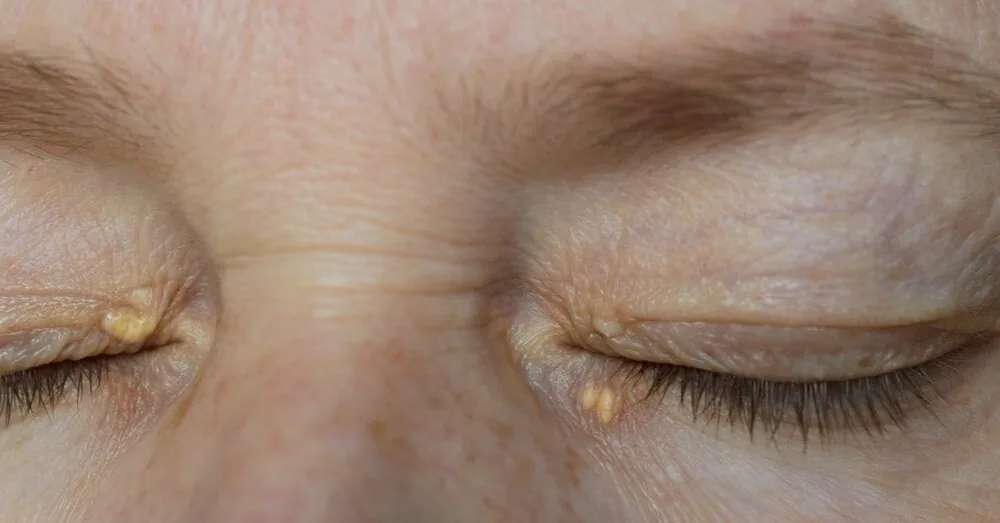
Daily health and beauty problems are also more relevant for women: they report skin dryness, hair loss, and nail breakage about 2–4 times more often than men. There is also a marked difference in how self-care is understood – women much more often than men describe it simply as the opportunity to spend time on themselves, rest, and peace (45% and 22.8% respectively).
“However, in everyday life, time for oneself often remains last – family, children, work, home come first, and health issues are postponed to a ‘later time’ hoping they will ‘pass.’ We want to invite changing this habit, so we are starting the initiative ‘More Space for Women’s Health.’ This means talking more about it, noticing body signals more, asking questions more boldly, and taking care of oneself more often before a serious problem arises,” says Kristina Gumauskienė, director of marketing and communications at the pharmacy network.
Different questions at different ages
There is no universal picture of women’s health. NWI data show that what most affects women’s well-being changes with life stages.
According to the study results, the greatest emotional burden is seen among the youngest – stress is felt by as many as 66% of women aged 18–24. Almost half of them faced psychological or emotional difficulties in the past month. For women aged 25–34, sleep and fatigue are especially prominent topics – 51% of women in this age group indicate sleep quality or fatigue as factors affecting their well-being.
Other issues emerge in later life stages. In the 35–44 age group, headaches and migraines are mentioned more often, and hormonal health aspects are visible. For women aged 45–54, concerns about their own and loved ones’ health and work-life balance become more prominent, while in older age physical health, blood pressure, cardiovascular, and joint problems take an increasingly important place.
According to K. Gumauskienė, this is why it is important not to narrow the discussion of women’s health to one topic or one life stage.
Read more Cyclists propose new rules: recommendations on cyclist overtaking will not ensure safety
“Each stage brings its own questions – about the cycle, intimate health, hormones, skin, sleep, or menopause – and each deserves attention not only in moments of crisis. Some of these topics are still considered too personal, others we are used to discussing as an inevitable part of a woman’s life. But the more we know and the earlier we notice changes, the easier it is to understand when to take better care of oneself and when to consult a specialist,” she says.
Asta Meschino: you can start with a few simple things
Entrepreneur, Honorary Consul of Guatemala, mother – Asta Meschino is well acquainted with everyday life, where many different roles must be balanced. However, she says, it is important not to forget oneself among all of them. Joining the initiative, A. Meschino says that self-care does not necessarily start with big life changes – sometimes a small but conscious step is enough.

“Every day, dedicate at least a minute to a simple question for yourself – how do I really feel today? How did I sleep, how much energy do I have, has anything changed in my skin, cycle, or mood? Note what repeats: sleep, skin reactions, cycle changes, discomfort, or lack of energy after a few weeks can show a much clearer picture,” she advises.
A. Meschino also invites choosing at least one health issue that is often postponed and finally taking concrete action – scheduling a visit, writing down a question for a doctor, or consulting a pharmacist. It is not necessary to solve everything at once.
“Another tip – schedule time for yourself in your calendar, not leave it for that mystical moment ‘when there is time.’ Plan it as a real meeting with yourself – for rest, a walk, skin care, or quiet time. Finally, say out loud how you really feel – to a friend, a close person, or a specialist. When you say the problem out loud, often a solution appears,” says A. Meschino.
More space for women’s health – every day
To encourage such a conversation in the public space, the pharmacy network’s initiative “More Space for Women’s Health” will primarily be educational. Together with doctors, pharmacists, and experts in their fields, content will be shared about topics relevant to different stages of a woman’s life – from tips on easing daily discomforts to knowledge about when it is necessary to consult a specialist.
“There is a lot of talk about women – about their appearance, choices, career, family, or age. But there is much less talk about how they really feel, what body changes they notice, and what health issues they tend to postpone. We want to be partners who help women take better care of themselves and feel better. Women’s health does not need an occasion – it needs more space every day,” says K. Gumauskienė.
Read more Prime Minister’s advisor grinds the foreign minister to dust: pedaling a stationary bike