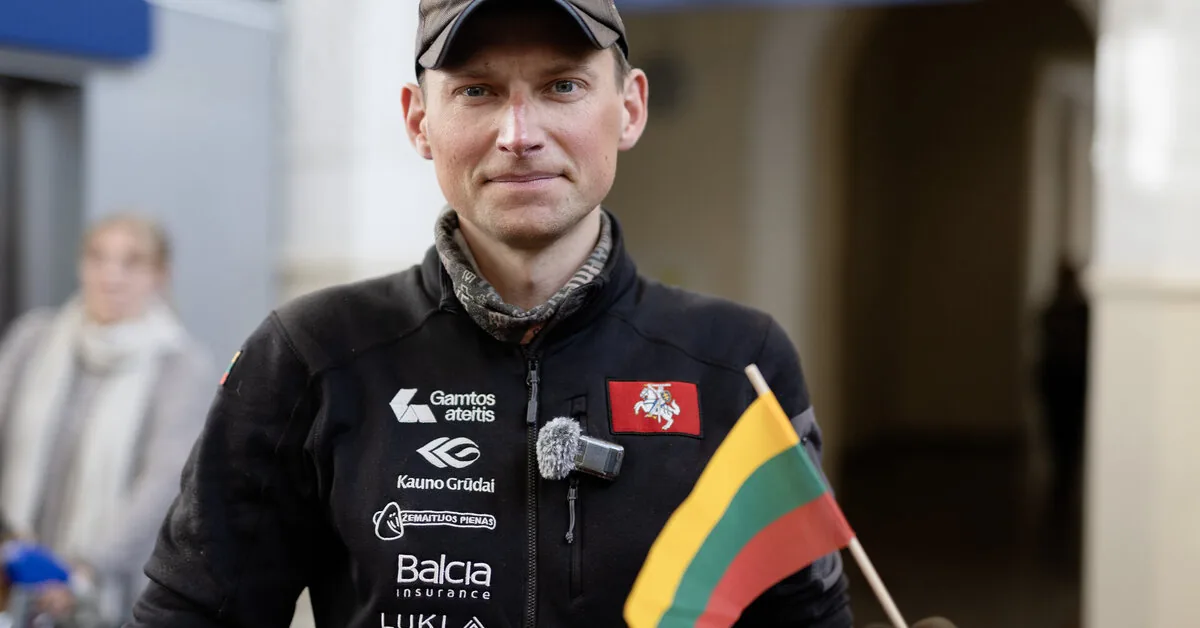
Although this time the Everest summit was not reached, the expedition presented S. Damulevičius with more than one challenge. While descending the mountain, he exhibited symptoms of altitude sickness, and later conflicting reports about his condition appeared on foreign portals. However, the climber himself says that the most important decision was to turn back in time and return home safely.
Read more Mantus Vygantas and his beloved Milda May’s life – a decisive step
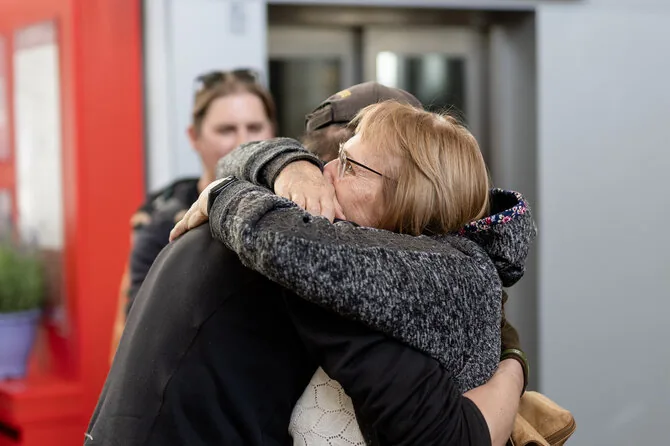
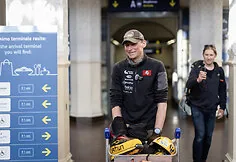
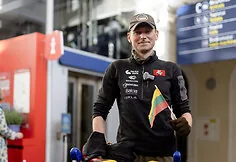
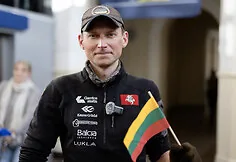
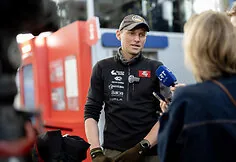
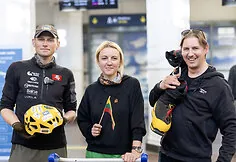
“It’s an unreal feeling to return, but I still need to get used to it. For two months I saw only ice, rocks, and snow. Already in Kathmandu there were many colors… it’s very good to come home,” – the climber confided to 15min.
The decision to turn back was one of the hardest
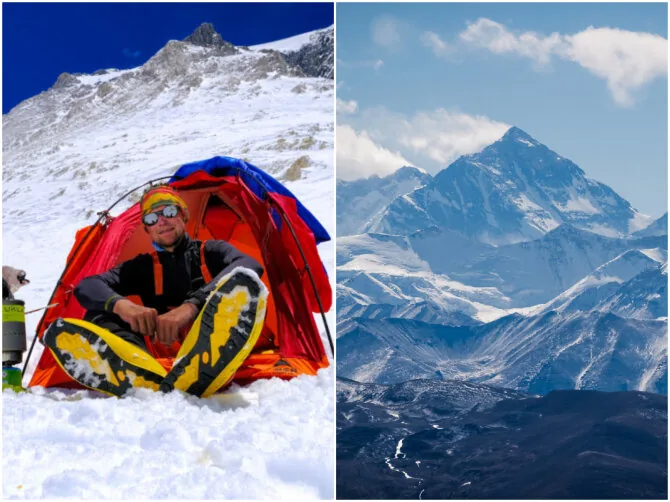
During the Everest assault, S. Damulevičius had reached about 8400 meters altitude, but due to deteriorating health, he decided not to continue climbing: “It’s not the first time I have had to turn back, and that decision is always very difficult. There is a great responsibility – on one hand, the desire to complete the mission I set, on the other hand – the responsibility to return home healthy and try again. The mountain will always be there. What matters is that you can come back.”
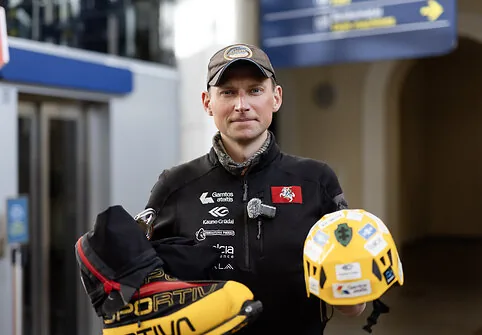
Nevertheless, he considers this expedition to Everest an important achievement. “I think I managed to demonstrate and even interest the world because I was the only one climbing in this way – not only without supplemental oxygen but also without Sherpa assistance. I carried all the gear, the expedition tent, the stove myself. I did everything myself. I managed to show that it is possible. We demonstrated professionalism, now it remains to demonstrate the result,” said S. Damulevičius.
The only way to survive was to save yourself
Saulius did not hide that the greatest challenge awaited him not while climbing but while descending. He began to show symptoms of altitude sickness. In such cases, fluids can accumulate in the brain or lungs. “I had the second option. Maybe a bit better because I was oriented, I was adequate, I knew what was happening to me, so I could make certain decisions,” he explained.
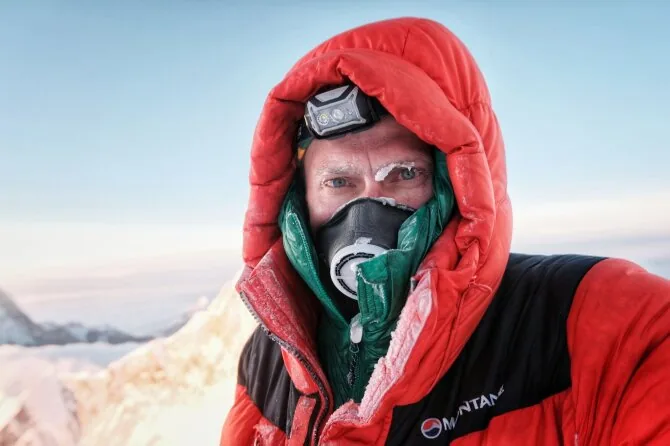
At that time, he was in the so-called death zone. “At first, you hope for some straw, a lifebuoy. I sent an international distress signal and hoped someone would come to help. But eventually, I realized I couldn’t expect quick help and the only way to survive was to save myself,” the climber recounted.
According to him, psychological training and previous experiences when he had suffered suffocation helped him at the critical moment.
“I knew I couldn’t panic, couldn’t let fear in. You have to direct your brain to action – breathe slowly and move down the mountain, step by step. And it worked. I really saved myself,” S. Damulevičius confided.
He overcame the most difficult descent section from the so-called death zone to about 7000 meters altitude alone. On the way, he met two climbers who had supplemental oxygen but did not ask for their help. After asking if they came to help him and hearing a negative answer, he wished them luck and continued down on his own strength. Due to deteriorating condition, the descent took more than six hours.
Disclosed false information caused anger
After the events on Everest, reports appeared in the international media that the Lithuanian climber was found in critical condition, without food, water, and oxygen. S. Damulevičius says that such information did not correspond to reality: “I know the people who wrote that. It’s really frustrating. They wrote that they found me half-dead, without water, food, and oxygen. In reality, the food I brought from Everest I ate for two more days in Kathmandu. I also had water, I think about half a liter. So that was a complete lie.”
According to S. Damulevičius, inaccurate information about his condition and allegedly provided help could have had very serious consequences. He said that at that time he was still waiting for help, but in the public space, it was already announced that he had been taken care of. In his opinion, such reports not only misled his relatives but could also have hindered timely assistance.
Read more Nice to meet Schumacher: «I did not expect that»
“Everest is such a mountain that raises a lot of ego and shows both the best and worst sides of people. In this case, some people showed their bad side,” said the climber, not hiding that he intends to investigate how and why such information spread.
Rehabilitation and new plans
Now the climber faces not only rest but also rehabilitation. Although after descending from Everest he had to undergo many health checks, doctors did not find serious disorders.
“They examined my lungs, checked for frostbite on my hands, did blood tests. Nothing very special, but finger rehabilitation may take several weeks,” said S. Damulevičius.
Nevertheless, the expedition left its marks. Due to frostbitten fingers on his hands, the climber will have to recover for some time, and during two months in the Himalayas, he lost more than ten kilograms of weight. According to him, now the most important thing is to let the body recover, sleep well, and eat normally.
“You spend five minutes on the mountain, take a couple of shots, and those shots will now be golden because they will cost a long rehabilitation,” the climber smiled.
For now, his wishes are very down-to-earth: “Now I just want sleep, rest, and good food.” However, he does not intend to rest for long. One of Saulius’s first goals is to put on sneakers and run to Vingis Park to check what shape he returned in after the most difficult expedition of his life.
Although the body will still need time to recover, S. Damulevičius is already thinking about new challenges. The climber hinted that once fully recovered, he would like to go on another expedition, which could take place this year: “I think we might start this autumn season with a very interesting, unconventional expedition, just as I like. I hope to accomplish it when I am fully recovered.”
Despite the unsuccessful attempt this season, Saulius does not give up the idea of returning to Everest. According to him, the unachieved summit only strengthens motivation.
“A climber always wants to reach the summit, and those turning back episodes when you fail to do something only strengthen character. Then you want even more to prepare better, to be safer, and to have a better result,” said S. Damulevičius.
Read more Forced recruitment of women in Ukraine? No, it’s just Russian propaganda