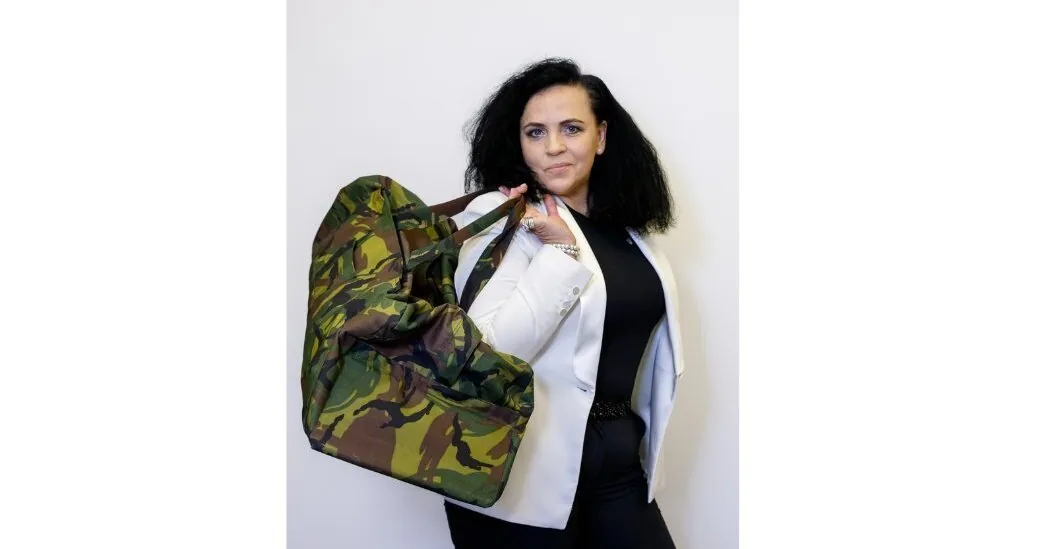
According to Reda Lagoneckienė, HR Director of the “Kalnapilio-Tauro Group,” it is important that employees feel good physically and emotionally at work, and that the work environment is safe, supportive, and contributes to their long-term well-being. We can only achieve this when people feel included, can openly talk about daily challenges, and actively contribute to solutions themselves.
Read more Chance for former «Žalgiris» center Wright to play in the European Championship
Employee engagement – the foundation of a safer environment
The company follows the approach that employees know their work environment, processes, and daily situations best, so their insights are very important in creating a safer and more comfortable environment. They are the first to notice where work organization, equipment use, or daily practices can be improved.
Therefore, at “Kalnapilio-Tauro Group,” employees are encouraged to actively engage in improving the work environment – not to remain indifferent, to share observations, and to suggest solutions. One such practice is the registration of unsafe situations and proposals for improving workplaces. According to R. Lagoneckienė, this initiative has already become a regular part of work, and employees receive thanks and incentives for their activity.
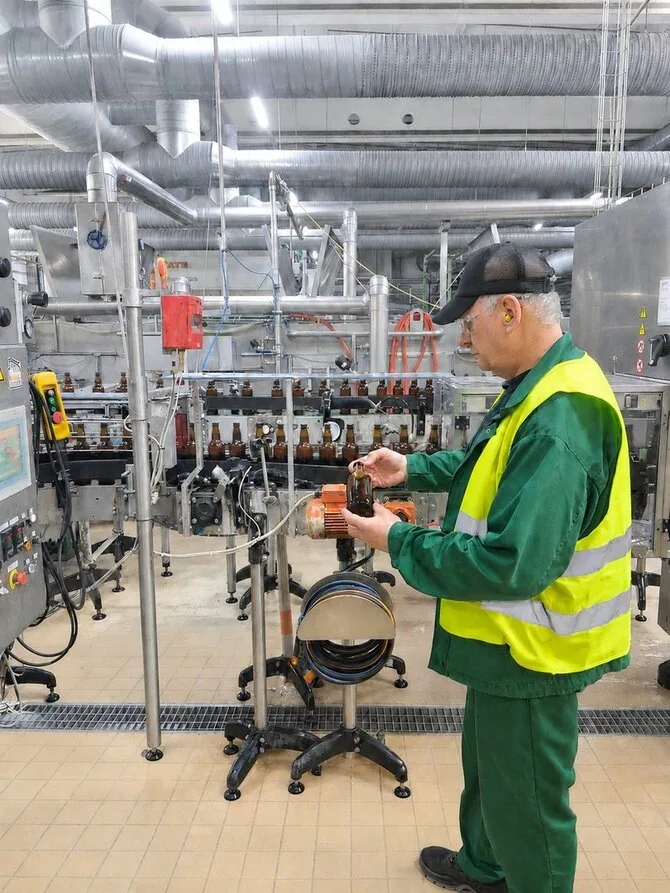
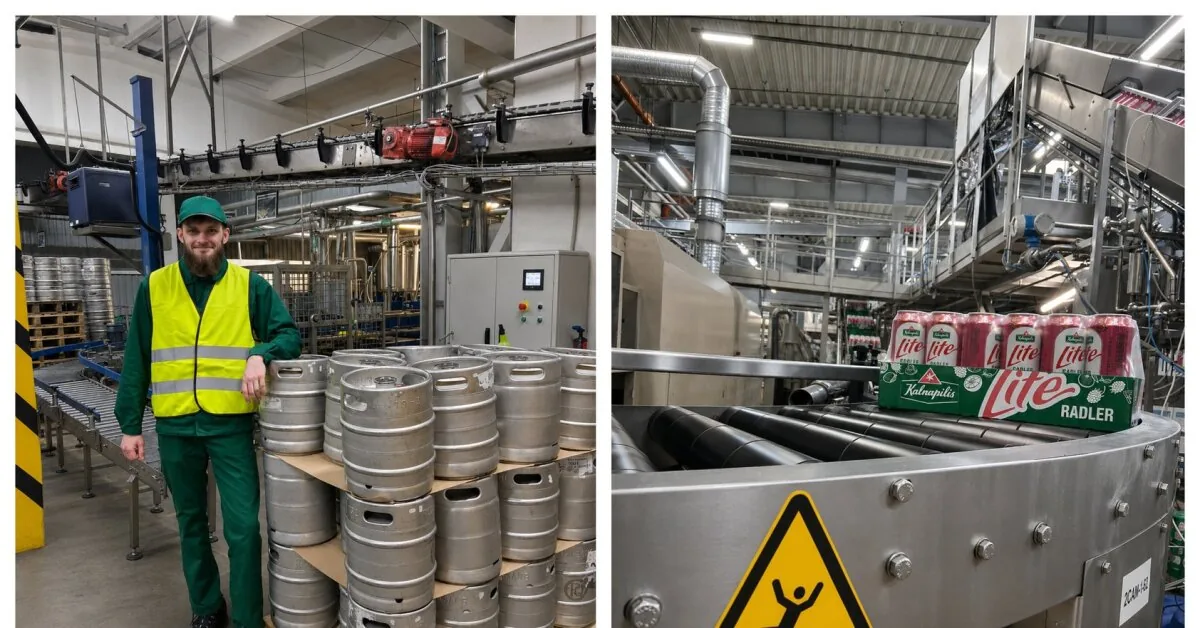
“We communicate that we are all responsible for a good work environment. Therefore, every employee’s observation and suggestion is very important to us. The observations themselves are very diverse: from a loose door handle, worn-out markings to proposals for improving ergonomics at the workplace. There are increasing cases where employees, when possible, solve the situation themselves and share the already resolved problem. Such examples are especially valuable because employees not only identify the problem but also actively contribute to its solution, becoming true creators of change. Over time, this also changes the organizational culture itself: employees share insights more actively, and safety is increasingly perceived as a shared responsibility. This year, employees have registered over 100 situations,” she notes.
Manager engagement and dialogue in the workplace
One way to maintain direct dialogue with employees is “Safety Walk & Talk.” These are regular employee safety and health conversations in workplaces, involving not only employees or safety specialists but also top-level managers.
The goal of this initiative is not a formal inspection but an open conversation about real working conditions, daily challenges, and possible improvements. Managers visit production areas, observe work processes, talk with employees, and together discuss what works well in the work environment and what could be improved.
“This strengthens trust and shows that a safe work environment is not the priority of one function but of the entire organization. When managers themselves participate in conversations in the workplace, employees see that their opinion matters, and the insights expressed turn into real actions,” notes R. Lagoneckienė.
Read more How much does it cost to build your own house today: is 200 thousand euros enough?
The safety topic in the company is also supported by other means: internal audits are conducted, manager sessions with safety specialists, employee safety and health campaigns, training, and regular internal communication. Every month, employees receive a safety and health newsletter containing relevant information, best practices, and a QR code to register observations about the work environment.
Practice helps turn knowledge into habit
At “Kalnapilio-Tauro Group,” much attention is paid to practical training, which brings safety topics closer to real work or personal life situations. In fire safety training, employees try out extinguishers; in first aid training, they practice resuscitation, learn to bandage simulated wounds, and help a choking person. In chemical training, employees in production get acquainted with sorbents and emergency showers, and in civil safety training, the evacuation backpack and family plan are discussed.
“A vital part is live, practical training. Only through practice can we consolidate knowledge, and in real situations, employees have more questions that help better understand safety requirements and apply them in daily activities,” says R. Lagoneckienė. The company also frequently communicates about the STOP rule. It reminds that before starting work or a task, it is important to stop, inspect the environment, assess the situation, and ask oneself whether the task can be performed safely. If there are doubts, the employee is encouraged to take additional measures, consult with the responsible person, and start work only after ensuring everything is done properly.
The safety topic also includes health
Although in a manufacturing company many safety topics are related to work organization, equipment use, protective measures, or ergonomics, attention is also paid to broader employee health and emotional well-being. Employees are offered vaccinations, health insurance, immunity-boosting kits in autumn, and a step challenge involving 100 employees. In July this year, an Employee Safety and Health Campaign started, during which we will talk about stress, how to recognize it, how to manage it, and where to turn if help is needed.
“By providing knowledge about ergonomics, first aid, or fire safety, we empower employees to take care of themselves and others. For us, this is not a formal requirement but care for the person and their long-term well-being,” says R. Lagoneckienė.