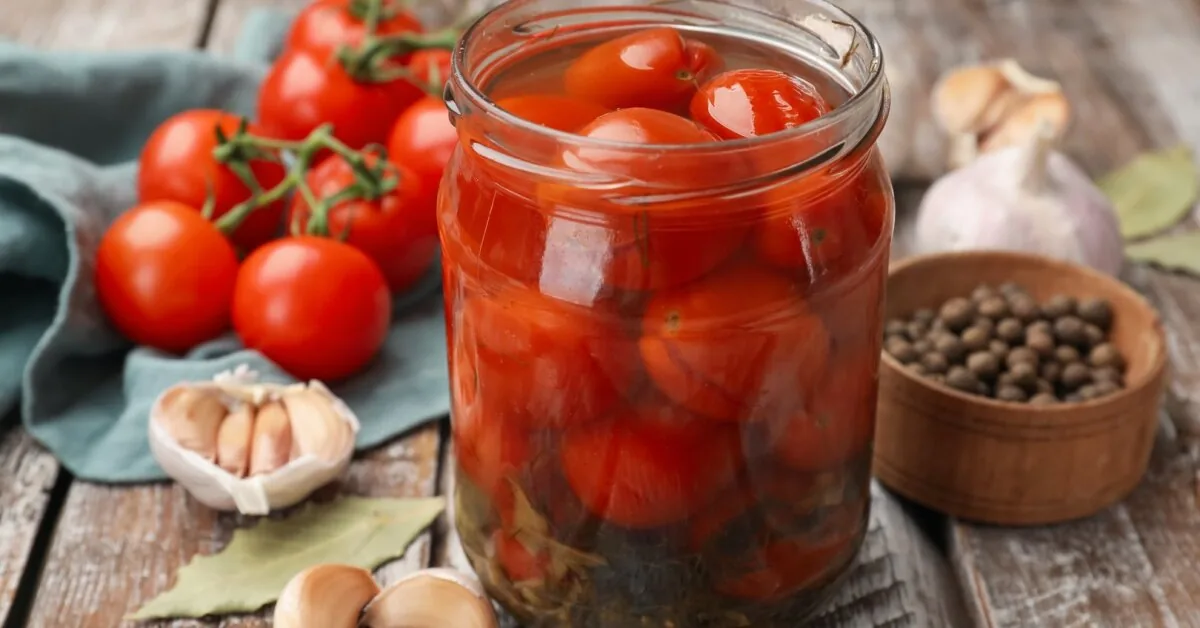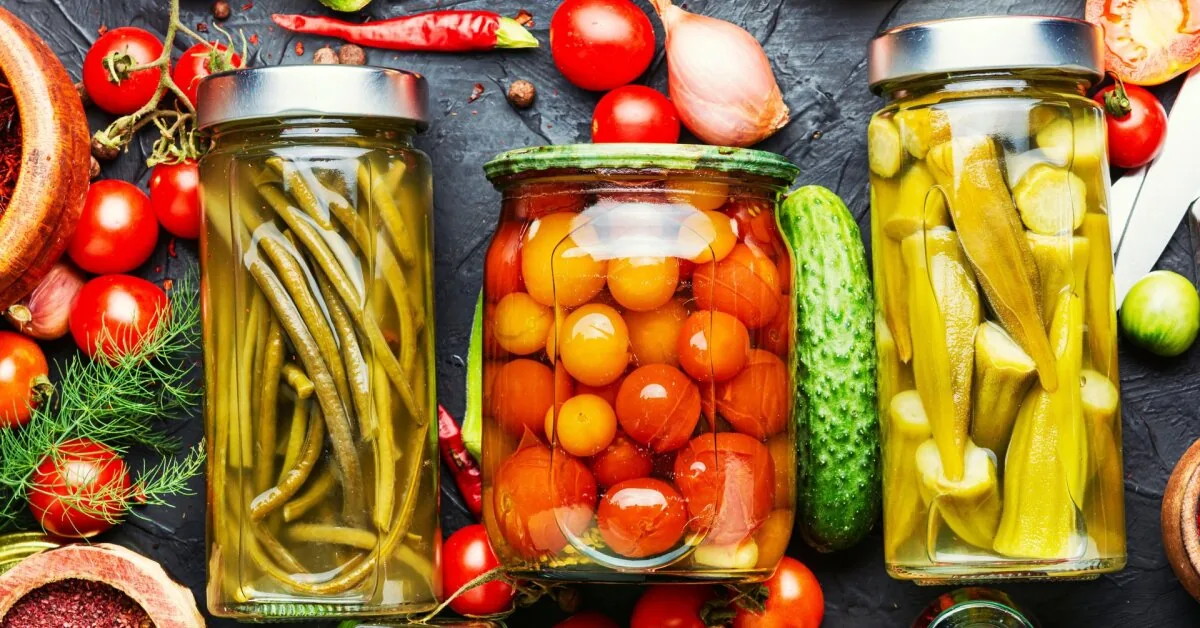
Before starting to preserve food products, it is important to take time to properly prepare the jars. The safety and quality of preserved products depend on this. Thoroughly washed and sterilized jars help protect preserved products from unwanted microorganisms and mold. It is recommended to prepare (sterilize) jars by boiling water or heating them in the oven.
Read more Heavy artillery at the European Championship – discus throwers will start
Equally important is what goes into them. Fresh, unripe, and undamaged fruits and berries are best suited for preservation. Proper pasteurization must also be remembered – a process during which products placed in a sealed container or other packaging are heated at a high temperature for a certain period to destroy harmful microorganisms. Pasteurization can be done in hot water, steam, or other methods. Properly performed pasteurization helps ensure product safety, extends their shelf life, and allows the preserved food to maintain quality and taste longer.
Sometimes the preservation process fails, and the jar itself warns about it. If the jar lid bulges, it may be a sign that unwanted microbial activity is occurring inside, and such a product should not be tasted.
It is also not recommended to consume preserves that have mold or other signs of spoilage. Even if visible mold is removed, it does not guarantee that it has been completely removed and that the product is safe to consume. Mold hyphae can penetrate deeply into the food and spread much wider than visible on the surface.
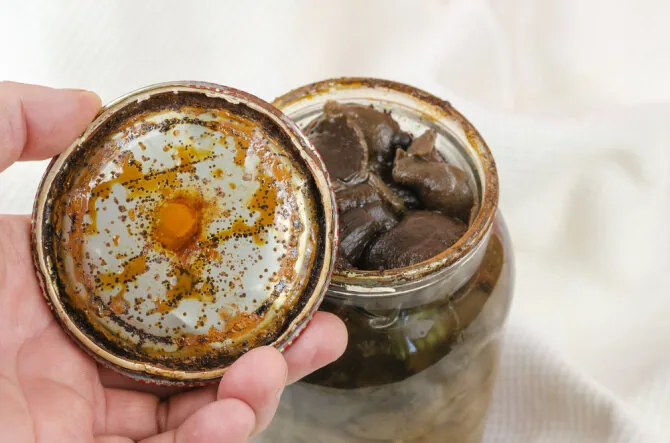
Some molds produce mycotoxins – substances dangerous to human health. These are quite stable substances that remain in the product and can persist even after the mold itself has died. While most molds can be seen with the naked eye, mycotoxins cannot be seen or smelled. For this reason, preserves with mold or other obvious signs of spoilage should be discarded and not consumed.
Jars with cracks – dangerous
Jars used for preservation for many years are suitable if they are in good condition. Before each season, jars should be carefully inspected for cracks, chips, or irregularities on the edges that could prevent a tight seal. Even a small crack can lead to poorer sealing, so damaged jars should be discarded.
Read more At the Prime Minister’s proposal to remove Lomonosov, the community made a proposal
It is also important to carefully assess the condition of the lids: rusty, deformed, or poorly screwing lids are not suitable for reuse. To ensure the highest possible safety of preserves, it is recommended to regularly replace lids, especially if they have been used in previous seasons.
To keep preserved food as high quality as possible for longer, VMVT recommends storing prepared products in a dry and dark place at a temperature not exceeding +10 °C; if products were frozen, they should be stored at no higher than –18 °C. Although such conditions help preserve product quality longer, over time the quality of preserved food (taste, texture, nutritional value) changes, so homemade reserves are advised to be consumed within one season or sooner.
To distinguish which season the product is from, it would be useful for consumers to mark the product accordingly, for example, by indicating the production date on each jar. A small sticker or note will help easily identify which preserves should be consumed first and avoid guessing when they were made.
Paying more attention to hygiene and food safety will definitely help ensure that summer delights remain high quality, safe to consume, and enjoyable on the table even after several months.
Read more A Vilnius resident joined a possibly fake bank website and lost more than 10 thousand euros